Charming Villages: Europe’s Most Picturesque Small Towns
Europe is a treasure trove of history, culture, and natural beauty, and nowhere is this more evident than in its charming villages. Scattered across the continent, these small towns offer a glimpse into a simpler, more peaceful way of life, where history is preserved, traditions are honored, and the landscapes are breathtakingly beautiful. From the sun-drenched coasts of the Mediterranean to the snow-capped peaks of the Alps, Europe’s picturesque villages provide a perfect escape from the hustle and bustle of modern life. In this article, we’ll take you on a journey through some of the most enchanting villages in Europe, each with its unique charm, history, and beauty.
Join My Facebook Group To Share Your Travel Photos and Get Travel Advice!
1. Hallstatt, Austria
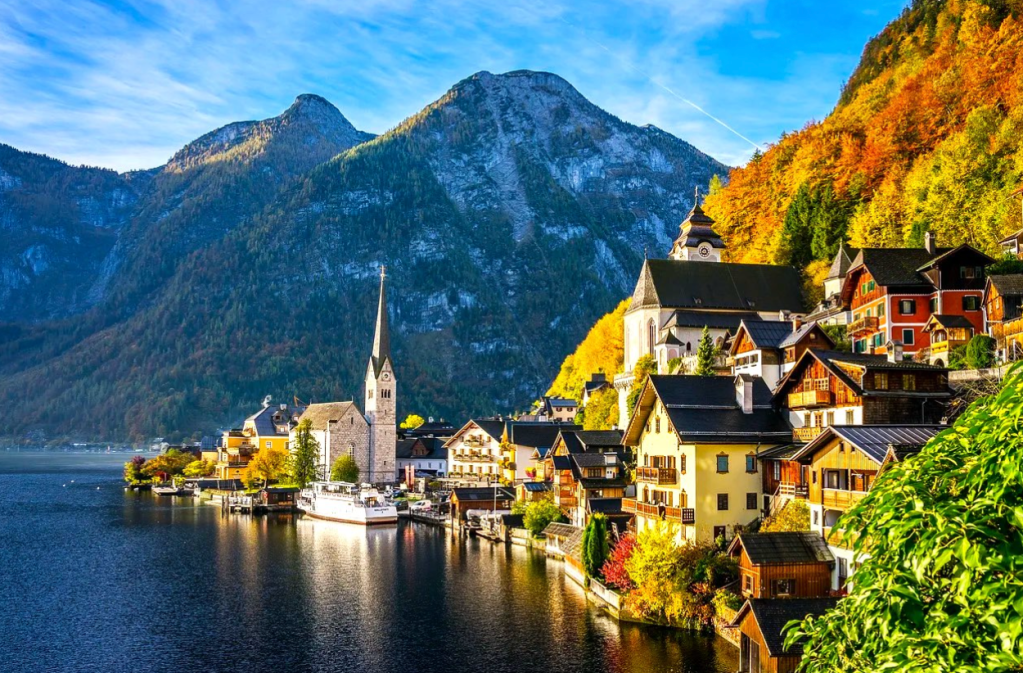
Nestled in the Salzkammergut region of Austria, Hallstatt is often hailed as one of the most beautiful villages in the world. This UNESCO World Heritage site is famous for its postcard-perfect setting, with traditional wooden houses perched on the shores of a serene lake, surrounded by the towering Dachstein Alps. Hallstatt’s history dates back thousands of years, with archaeological evidence of human activity in the area from as early as 8000 BC. The village’s wealth was built on salt mining, a trade that has been ongoing since the Bronze Age.
Visitors to Hallstatt can explore its charming streets, visit the ancient salt mines, or take a boat ride on Lake Hallstatt to fully appreciate the stunning scenery. The village is also home to the Hallstatt Ossuary, a small chapel containing over 1,200 painted skulls, a testament to the village’s unique burial customs. Whether blanketed in snow during the winter or bathed in the warm glow of the summer sun, Hallstatt’s beauty is timeless and captivating.
Want to see more gorgeous places around the world? Check out my YouTube channel, Explore With Kelsey
2. Colmar, France
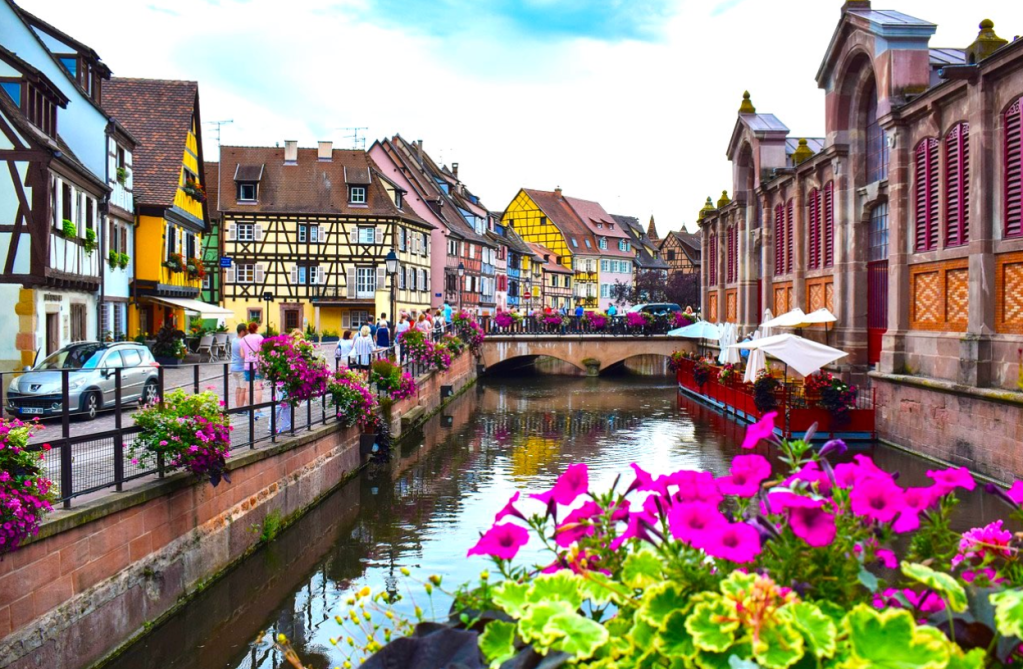
In the heart of the Alsace wine region, Colmar is a fairy-tale town that seems to have sprung from the pages of a storybook. Known for its half-timbered houses, flower-lined canals, and cobblestone streets, Colmar has managed to preserve its medieval and Renaissance charm. The town’s old quarter is a maze of narrow streets, where each turn reveals another picturesque scene.
Colmar’s history as a center of the wine trade is evident in its many wine cellars and tasting rooms. The town is also home to several important cultural landmarks, including the Unterlinden Museum, housed in a 13th-century Dominican convent, and the Maison Pfister, a beautifully preserved Renaissance house. During the holiday season, Colmar transforms into a winter wonderland, with its famous Christmas market drawing visitors from all over the world.

3. Rothenburg ob der Tauber, Germany
Rothenburg ob der Tauber, located in Bavaria, Germany, is one of Europe’s best-preserved medieval towns. Encircled by ancient walls and dotted with watchtowers, Rothenburg offers a glimpse into the past with its narrow cobblestone streets, historic buildings, and vibrant market squares. The town’s name, which means “Red Fortress above the Tauber,” reflects its strategic position above the Tauber River.
Rothenburg’s history dates back to the 12th century when it was a free imperial city. The town’s well-preserved architecture includes the 13th-century St. Jakob’s Church, home to an impressive wooden altarpiece by Tilman Riemenschneider, and the Medieval Crime Museum, which offers a fascinating look at law and punishment in the Middle Ages. Rothenburg is also famous for its Christmas traditions, particularly the Reiterlesmarkt, one of Germany’s oldest and most atmospheric Christmas markets.
4. Oia, Greece
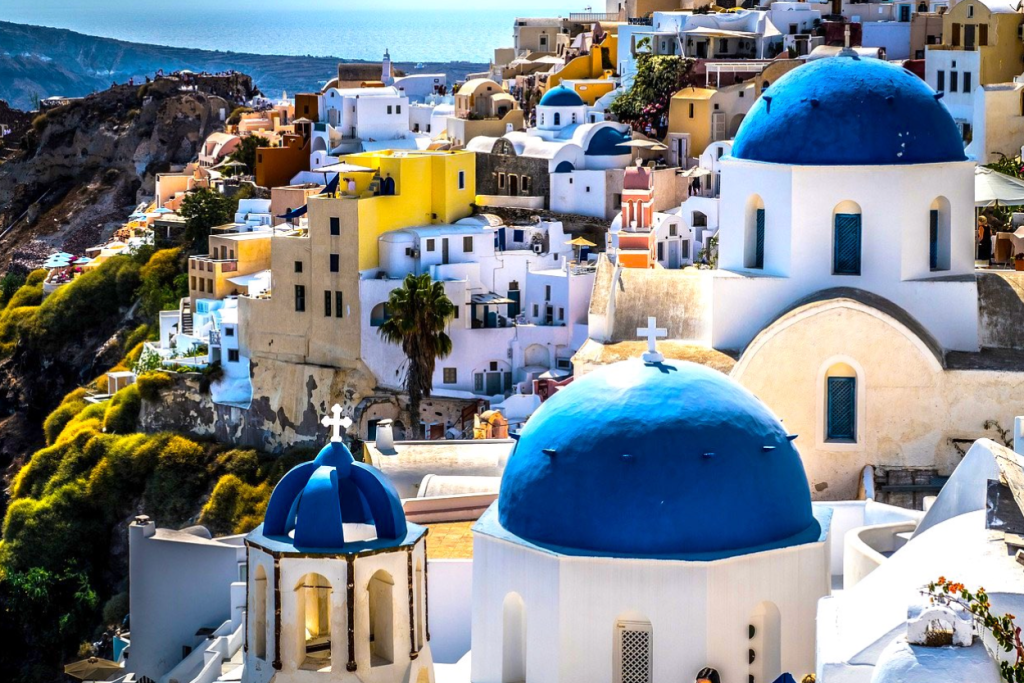
Perched on the cliffs of Santorini, the village of Oia is one of the most photographed places in Greece. Known for its iconic whitewashed houses with blue-domed roofs, narrow alleys, and stunning views of the Aegean Sea, Oia is a quintessential Greek village that exudes charm and tranquility.
Oia’s history is deeply intertwined with the ancient Minoan civilization, and it has been a significant maritime center since the 19th century. Today, visitors can explore its charming streets, visit the Maritime Museum, which showcases Oia’s seafaring heritage, and enjoy panoramic views from the ruins of the Byzantine Castle. The village is particularly famous for its sunsets, which are considered among the most beautiful in the world. As the sun dips below the horizon, casting a warm glow over the white-washed buildings and the deep blue sea, it’s easy to see why Oia has become a favorite destination for travelers seeking romance and relaxation.
5. Cinque Terre, Italy
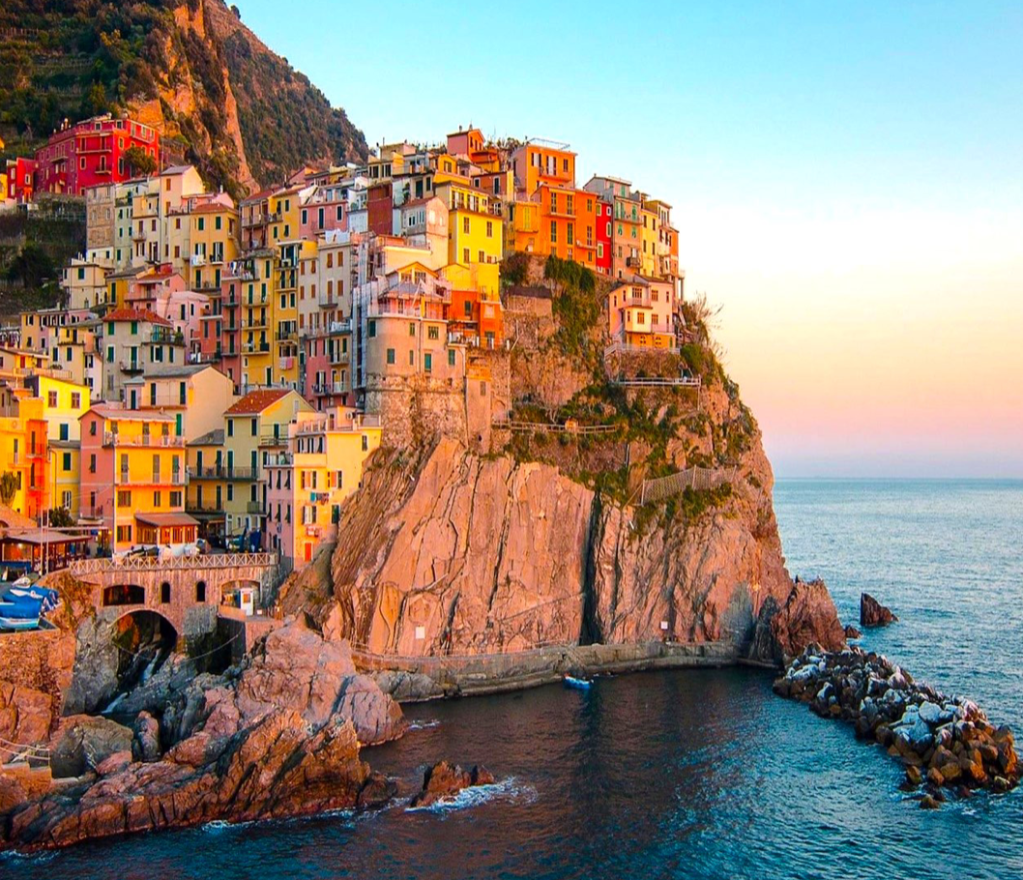
Cinque Terre, meaning “Five Lands,” is a rugged stretch of coastline along the Ligurian Sea in Italy, composed of five picturesque fishing villages: Monterosso al Mare, Vernazza, Corniglia, Manarola, and Riomaggiore. Each village has its unique character and charm, but all share a common trait—breathtaking beauty.
These villages, with their colorful houses clinging to cliffs and their narrow streets winding through terraced vineyards, are a UNESCO World Heritage site. The history of Cinque Terre dates back to the early Middle Ages, and despite the influx of tourists, the villages have managed to retain their traditional way of life. The area is famous for its hiking trails, particularly the Sentiero Azzurro, which connects all five villages and offers stunning views of the Mediterranean. Visitors can also enjoy fresh seafood, local wines, and the peaceful ambiance of these coastal gems.
6. Bibury, England
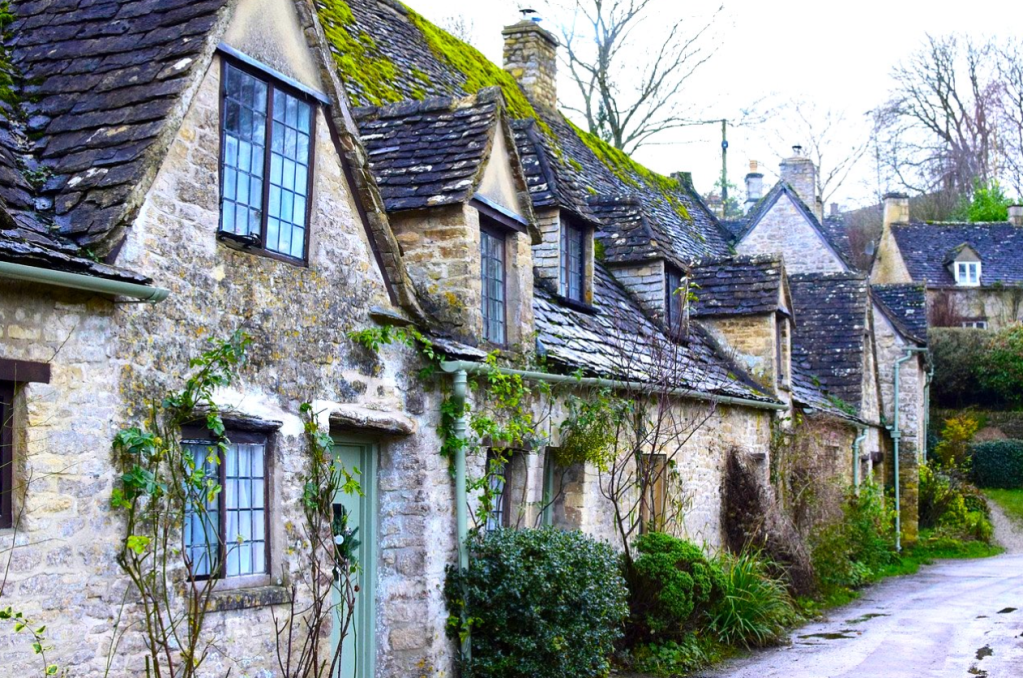
Located in the heart of the Cotswolds, Bibury is often referred to as the most beautiful village in England. The village is famous for its honey-colored stone cottages, particularly Arlington Row, a row of weavers’ cottages dating back to the 14th century. The cottages, with their steeply pitched roofs and charming gardens, are a quintessential example of English rural architecture.
Bibury’s history is rooted in the wool trade, which brought wealth to the region during the Middle Ages. Today, the village remains a tranquil and picturesque destination, perfect for a leisurely stroll along the River Coln or a visit to the 12th-century Church of St. Mary, which features stunning Norman and Gothic architecture. Bibury is also home to the Bibury Trout Farm, established in 1902, where visitors can fish or simply enjoy the peaceful surroundings.
7. Bled, Slovenia
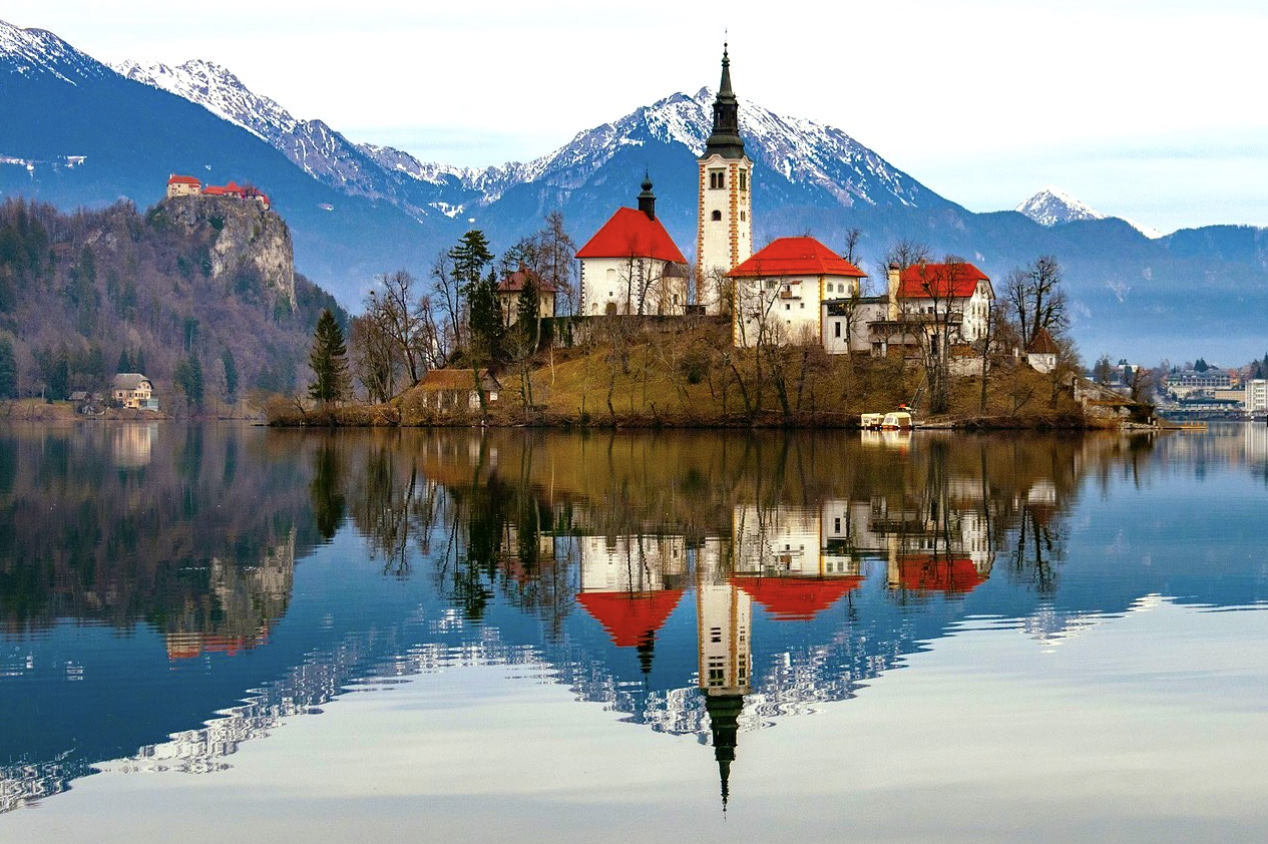
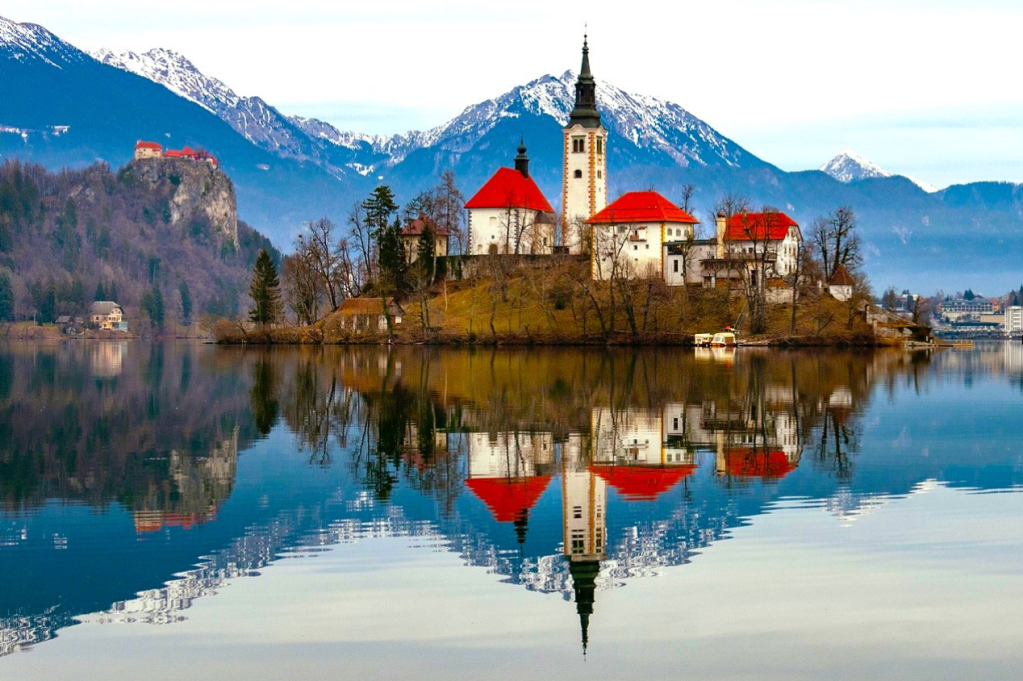
Bled, located in the Julian Alps of Slovenia, is one of the most picturesque villages in Europe. The village is situated on the shores of Lake Bled, a stunning glacial lake with an island in the middle, home to the Church of the Assumption. The lake’s emerald-green waters are surrounded by lush forests and overlooked by Bled Castle, perched on a cliff high above.
Bled’s history dates back to the early medieval period, and it has long been a popular destination for those seeking natural beauty and relaxation. The castle, first mentioned in 1011, offers panoramic views of the lake and the surrounding mountains, as well as a museum showcasing the history of the region. Visitors can take a traditional pletna boat to the island, where they can ring the church bell for good luck, or simply enjoy the tranquil atmosphere of this enchanting village. Bled is also known for its kremna rezina, a delicious cream cake that has become a symbol of the town.
8. Eze, France
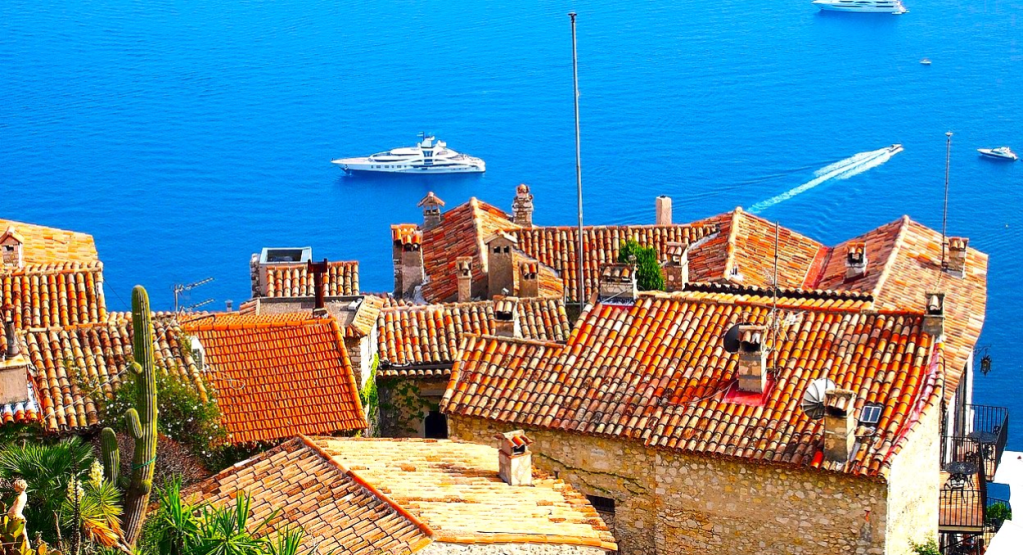
Perched high on a hilltop overlooking the French Riviera, Eze is a medieval village that offers stunning views of the Mediterranean Sea. The village is known for its narrow, winding streets, stone houses, and lush gardens, which are filled with exotic plants and flowers.
Eze’s history dates back to the Iron Age, and it has been inhabited by various civilizations, including the Phoenicians, Romans, and Moors. The village’s most notable landmark is the 12th-century Chapelle de la Sainte Croix, one of the oldest buildings in Eze. Visitors can also explore the Jardin Exotique, a beautiful garden that offers panoramic views of the coast and the surrounding mountains. Eze has long been a favorite destination for artists and writers, who are drawn to its beauty and tranquility.
9. Bruges, Belgium
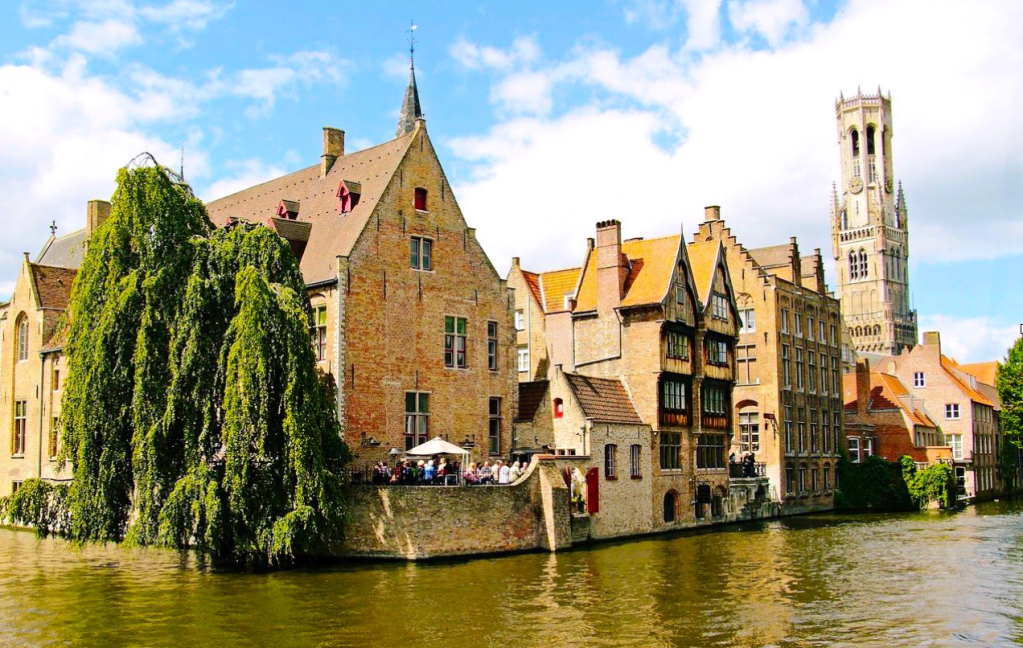
Bruges, often referred to as the “Venice of the North,” is a medieval city in Belgium that has managed to preserve its historic charm. The city’s well-preserved canals, cobblestone streets, and Gothic architecture make it one of the most picturesque destinations in Europe.
Bruges’ history dates back to the 9th century, when it was a Viking settlement. The city reached its peak in the 14th century as a major trading hub, and its wealth is reflected in the grandeur of its buildings. Key attractions include the 13th-century Belfry of Bruges, which offers panoramic views of the city, and the Basilica of the Holy Blood, which houses a relic believed to contain the blood of Christ. Bruges is also famous for its chocolate shops, breweries, and lace-making traditions, making it a must-visit destination for anyone interested in history, culture, and culinary delights.
10. Ronda, Spain
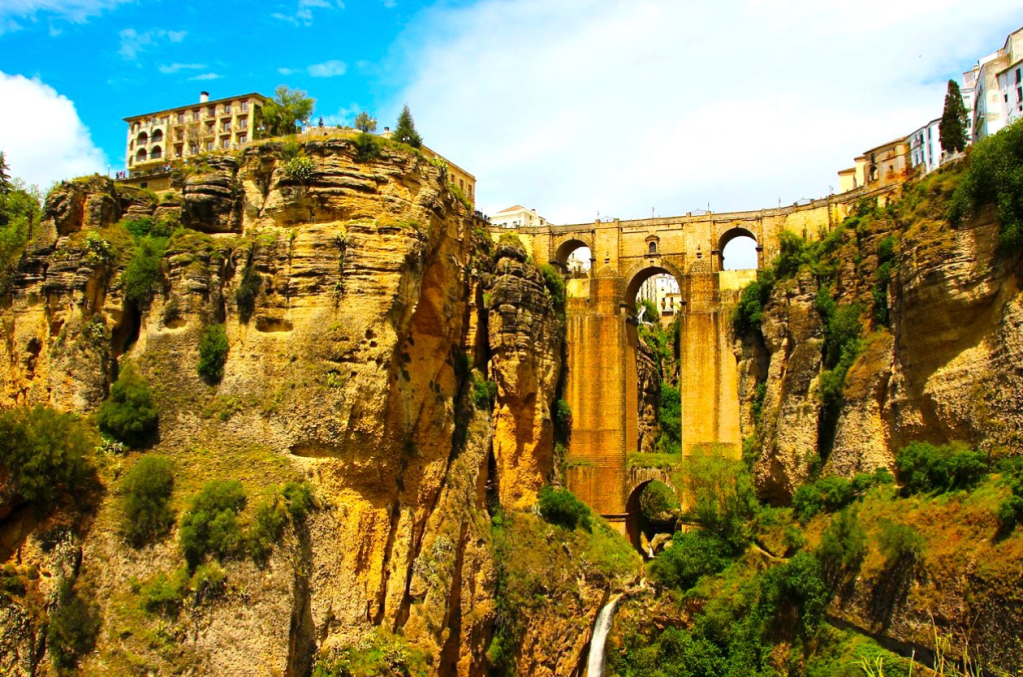
Dramatically perched on a plateau above the El Tajo Gorge, Ronda is one of Spain’s most stunning villages. The town’s history dates back to the Roman era, but it became an important cultural center during the Islamic rule in the Middle Ages. Ronda’s most famous landmark is the Puente Nuevo, an 18th-century bridge that spans the gorge, offering breathtaking views of the surrounding landscape.
Ronda’s old town, La Ciudad, is a maze of narrow streets, whitewashed houses, and historic buildings, including the Mondragón Palace, a former Moorish palace, and the Church of Santa Maria la Mayor, built on the site
of a mosque. The town is also known for its bullfighting tradition, with the Plaza de Toros de Ronda being one of the oldest and most famous bullrings in Spain. Ronda’s unique setting and rich history make it a must-visit destination for anyone exploring Andalusia.

Europe’s charming villages offer a glimpse into the continent’s rich history, diverse cultures, and stunning landscapes. Whether you’re wandering through the medieval streets of Rothenburg ob der Tauber, soaking in the sun on the cliffs of Oia, or exploring the canals of Bruges, these small towns provide an unforgettable experience. Each village has its unique story to tell, and together they paint a picture of Europe’s timeless beauty and enduring charm. So, the next time you’re planning a trip to Europe, consider stepping off the beaten path and discovering the magic of these picturesque villages.

 Lipsticks and Backpacks