
Croatia, a country of stunning coastlines, historic cities, and picturesque landscapes, is a jewel in the heart of Europe. Its rich history, dating back to ancient times, combined with its vibrant culture, makes it a top destination for travelers. Here are the top seven destinations in Croatia, each offering a unique glimpse into the country’s past and present.

1. Dubrovnik
Known as the “Pearl of the Adriatic,” Dubrovnik is a UNESCO World Heritage site renowned for its stunning medieval architecture and historic significance. The city’s walls, built between the 12th and 17th centuries, are a marvel of medieval engineering. Visitors can walk along the 2-kilometer-long walls, which offer breathtaking views of the Adriatic Sea and the old town below. Dubrovnik, once an independent republic, played a significant role in maritime trade in the Mediterranean. Its strategic location and impressive fortifications made it a formidable maritime power.
The Rector’s Palace, dating back to the 14th century, is another must-see. It served as the seat of the Rector of the Republic of Ragusa (as Dubrovnik was formerly known) and now houses the Cultural History Museum. The Stradun, the main street, is lined with historic buildings and cafes, making it perfect for a leisurely stroll.
2. Split
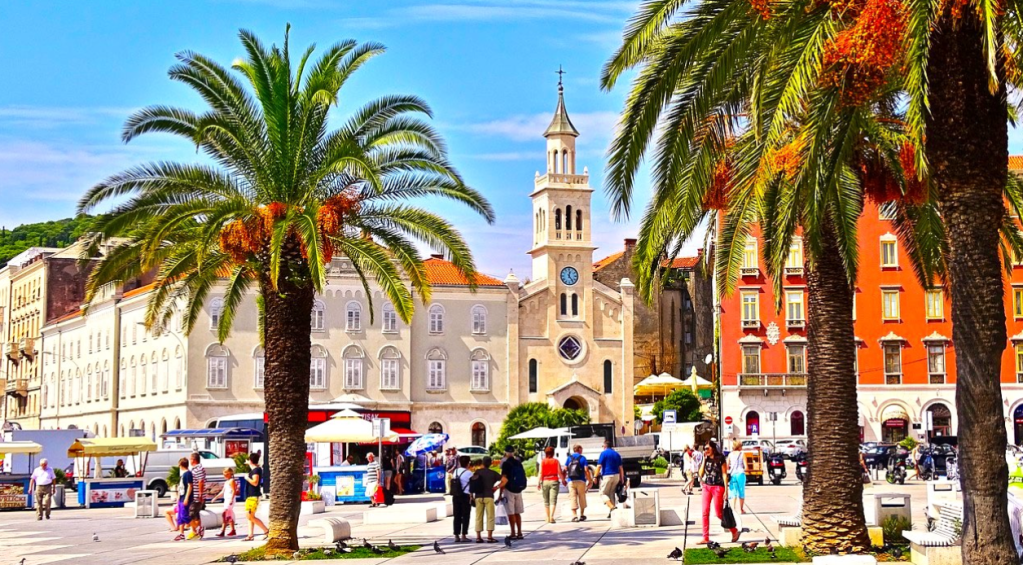
Split, Croatia’s second-largest city, is home to the remarkable Diocletian’s Palace, a UNESCO World Heritage site. Built by the Roman Emperor Diocletian in the 4th century AD, the palace complex forms the heart of the old town. Its well-preserved remains include the Peristyle, the central square, and the Cathedral of Saint Domnius, originally Diocletian’s mausoleum. Split’s Diocletian’s Palace is one of the best-preserved Roman buildings in the world. Emperor Diocletian, who ruled from 284 to 305 AD, chose this site for his retirement, reflecting the area’s importance even in ancient times.
The Riva, Split’s waterfront promenade, is the perfect place to enjoy a coffee while taking in views of the Adriatic. Nearby, the Marjan Hill offers hiking trails and panoramic vistas of the city and surrounding islands.
3. Plitvice Lakes National Park
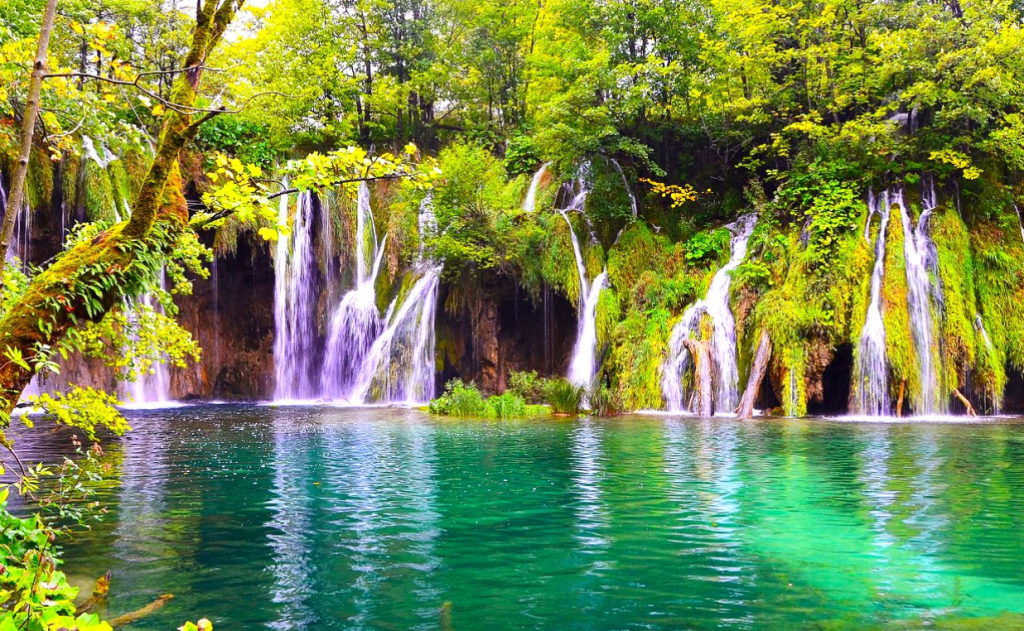
Plitvice Lakes National Park, a UNESCO World Heritage site since 1979, is one of Croatia’s most stunning natural attractions. Located in central Croatia, the park is famous for its cascading lakes, lush forests, and diverse wildlife. The park’s sixteen terraced lakes are interconnected by a series of waterfalls, creating a breathtaking natural spectacle. Plitvice Lakes National Park is a natural wonder that has been preserved for its ecological value and stunning beauty. Its inclusion on the UNESCO World Heritage list highlights its global significance.
The park was established in 1949 and covers an area of over 295 square kilometers. Wooden footbridges and hiking trails allow visitors to explore the park’s pristine beauty. The park’s highest waterfall, Veliki Slap, plunges 78 meters and is a highlight of any visit.

4. Hvar
Hvar, an island in the Adriatic Sea, is renowned for its sunny climate, historic towns, and vibrant nightlife. The town of Hvar is dominated by the Fortica (Španjola) Fortress, built in the 16th century. The fortress offers panoramic views of the town, the harbor, and the surrounding islands. Hvar’s history dates back to ancient Greek and Roman times. The island was an important naval base during the Venetian Republic and played a crucial role in maritime trade.
Hvar’s main square, Trg Sv. Stjepana, is one of the largest and most beautiful in Croatia. It is home to the Cathedral of St. Stephen, which dates back to the 16th century. The town’s harbor is lined with yachts, and its waterfront promenade is filled with cafes and restaurants.

5. Zadar
Zadar, a city on Croatia’s Dalmatian coast, is known for its rich history, beautiful sunsets, and unique attractions. The Roman Forum, dating back to the 1st century BC, is one of the city’s main historical sites. Nearby, the Church of St. Donatus, built in the 9th century, is a fine example of pre-Romanesque architecture. Zadar, one of the oldest continuously inhabited cities in Croatia, has a rich history that includes Roman, Byzantine, and Venetian periods. Its modern installations, the Sea Organ and the Greeting to the Sun, are testaments to the city’s innovative spirit.
Zadar is also famous for its modern installations, the Sea Organ and the Greeting to the Sun. The Sea Organ, designed by architect Nikola Bašić in 2005, creates music from the movement of the waves. The Greeting to the Sun, also designed by Bašić, is a solar-powered light installation that creates a stunning visual display at sunset.
6. Rovinj
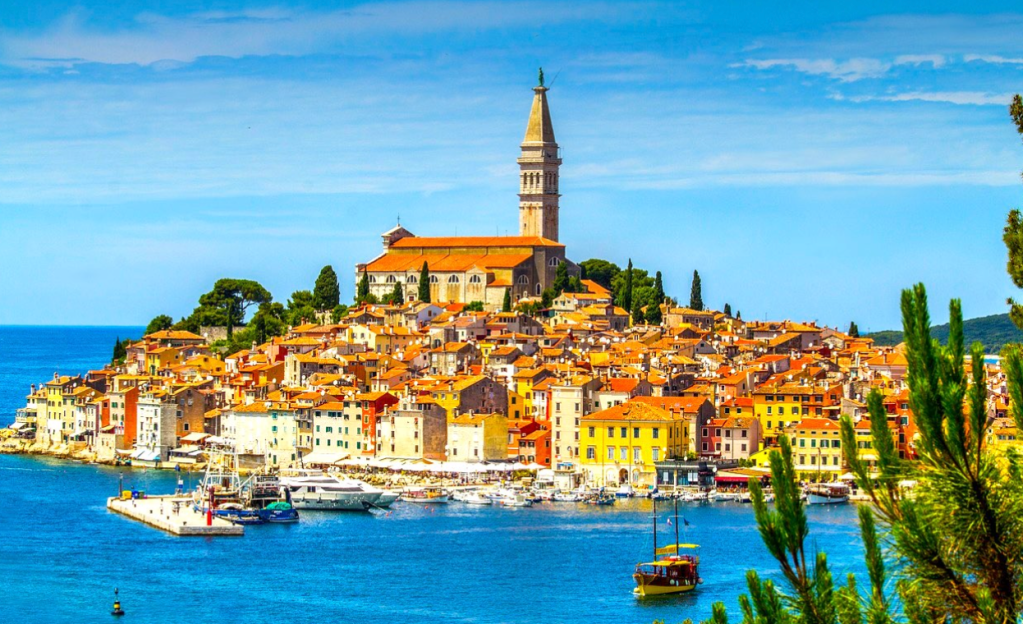
Rovinj, located on the Istrian peninsula, is one of Croatia’s most picturesque towns. Its old town is a maze of narrow, cobbled streets lined with colorful buildings. The town’s skyline is dominated by the Church of St. Euphemia, built in the 18th century. The church’s bell tower offers panoramic views of the town and the Adriatic Sea. Rovinj’s Venetian influence is evident in its architecture and culture. The town’s history as a fishing port and its picturesque setting make it a popular tourist destination.
Rovinj was part of the Venetian Republic from 1283 to 1797, and its Venetian influence is evident in the town’s architecture and culture. The town’s harbor is filled with fishing boats, and its waterfront promenade is a popular place for a leisurely stroll.

7. Zagreb
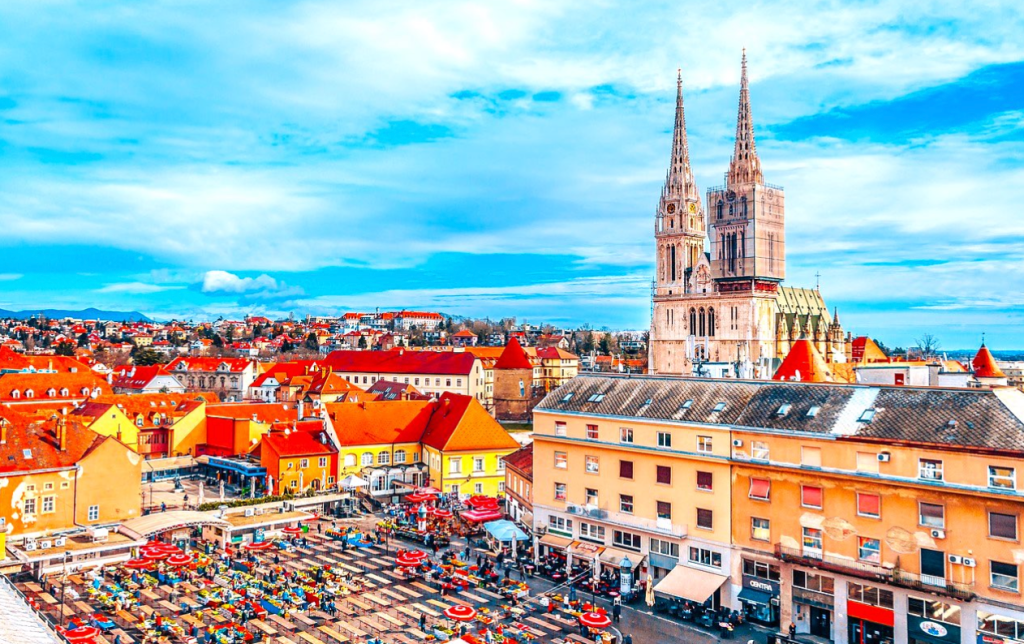
Zagreb, Croatia’s capital, is a city of contrasts, where historic architecture meets modern culture. The city’s Upper Town (Gornji Grad) is a medieval gem, with narrow streets and historic buildings. The Gothic-style Zagreb Cathedral, dating back to the 13th century, is one of the city’s most iconic landmarks. Zagreb has always been a cultural and political hub. Its blend of medieval and modern architecture reflects the city’s dynamic history and its role as a center of Croatian culture.
The Lower Town (Donji Grad) is home to the Croatian National Theatre, built in 1895, and the Art Pavilion, built in 1898. Zagreb’s main square, Ban Jelačić Square, is the heart of the city and a popular meeting place. The city’s museums, including the Museum of Broken Relationships and the Mimara Museum, offer a diverse range of exhibits.
Croatia’s top destinations offer a rich blend of history, culture, and natural beauty. From the medieval walls of Dubrovnik to the Roman ruins of Split, the cascading lakes of Plitvice to the sun-kissed beaches of Hvar, each destination has its own unique story to tell. Whether exploring ancient cities or enjoying the stunning landscapes, visitors to Croatia are sure to be captivated by its timeless charm.

Which location would you visit? Let me know in the comments or on my Facebook Group: Explore With Kelsey!
 Lipsticks and Backpacks