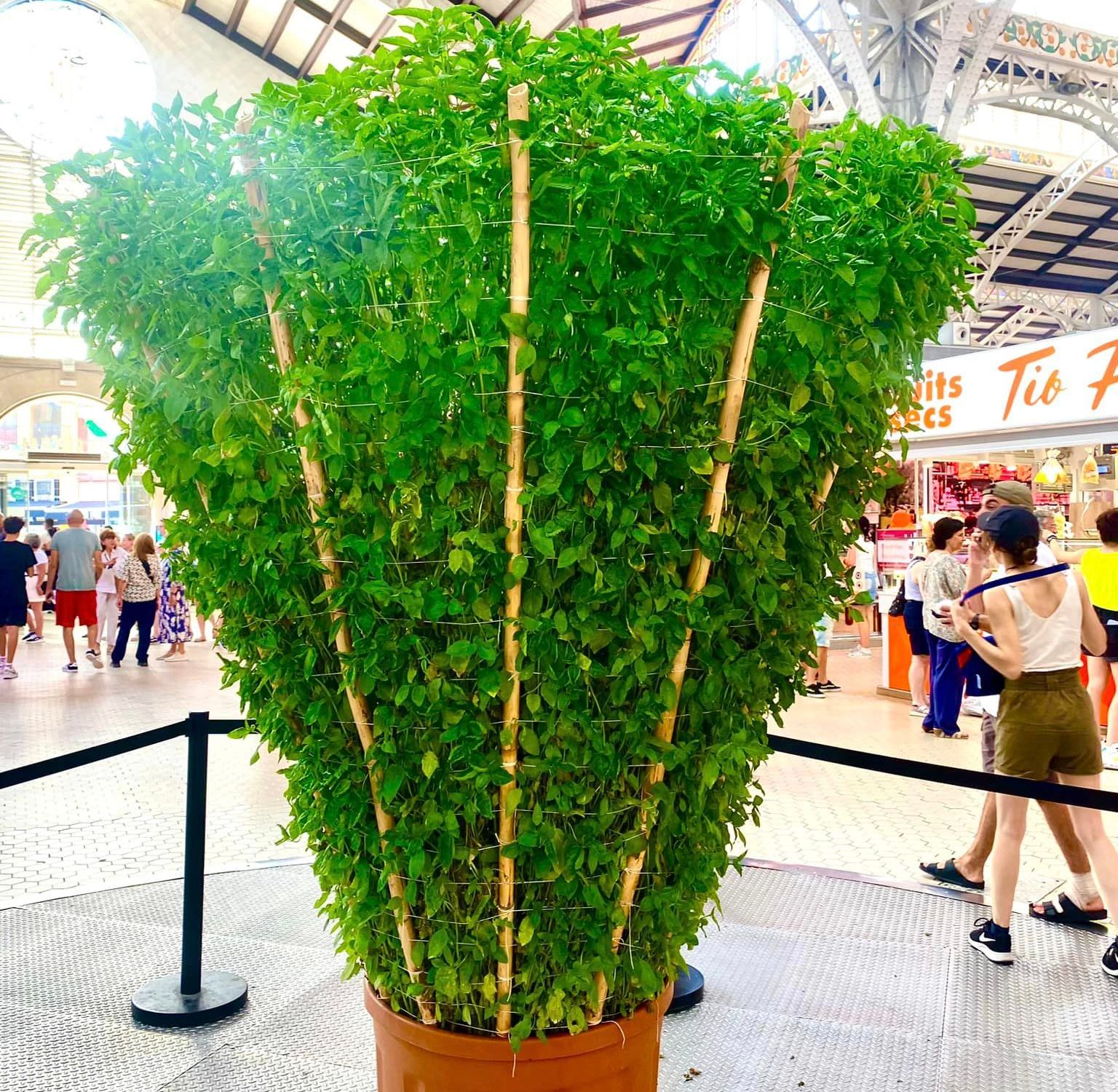
The Basil Festival in Bétera, Spain, celebrated every year on August 15th, is a vibrant and deeply rooted tradition that brings together the community in a colorful celebration of history, culture, and nature. Located in the province of Valencia, Bétera is a town that brims with life during this annual festival, where the basil plant takes center stage in a series of rituals and festivities that date back centuries.
Want to see more gorgeous places around the world? Check out my YouTube channel, Explore With Kelsey
Historical Origins and Significance
The Basil Festival, or “Fiesta de la Alfàbega,” has its origins in ancient traditions where the basil plant was revered for its aromatic properties and its supposed ability to ward off evil spirits. Over time, the plant became a symbol of prosperity, health, and protection in Bétera, and its significance was woven into the fabric of the town’s cultural identity. The festival’s date, August 15th, coincides with the Feast of the Assumption of the Virgin Mary, reflecting a blending of Christian beliefs with local customs.
The festival’s origins are thought to stretch back to the Middle Ages, although its current form began to take shape in the 18th century. The tradition of growing giant basil plants for the festival is particularly noteworthy. These plants, some reaching up to three meters in height, are meticulously cultivated throughout the year by local families and agricultural associations. The cultivation process itself is a labor of love, involving careful pruning, watering, and the use of special fertilizers to ensure the plants grow to their impressive size.
Want to see more gorgeous places around the world? Check out my YouTube channel, Explore With Kelsey
The Preparation: A Year-Long Affair
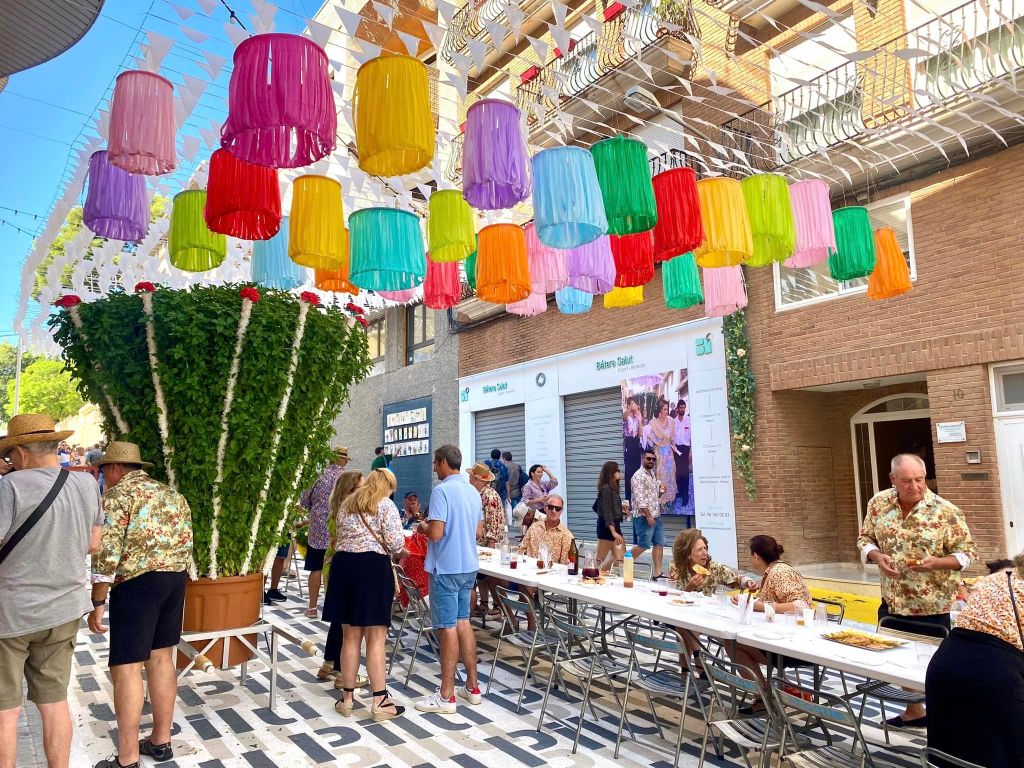
Preparations for the Basil Festival begin long before August 15th. In fact, the cultivation of the basil plants, which are the stars of the show, starts in the early spring. Families and local farmers sow the seeds in specially prepared soil, often using traditional methods passed down through generations. The plants are nurtured with great care, as their size and health are seen as a reflection of the family’s honor and dedication.
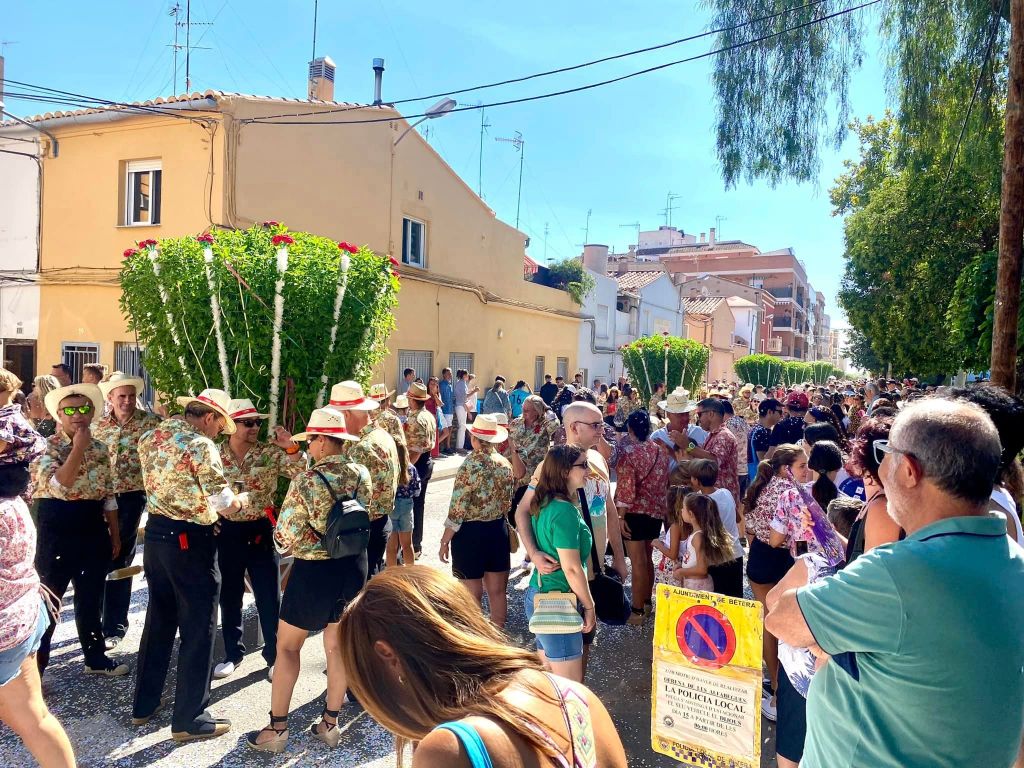
As the festival date approaches, the town becomes a hive of activity. Women, known as “cantoneras,” play a crucial role in decorating the basil plants with ribbons, flowers, and other ornaments. This decoration is not just for aesthetic purposes but is also a symbol of the community’s unity and pride in their local traditions. The plants are often so large that they require special structures to support them as they are paraded through the town.
The Festival Day: A Burst of Color and Aroma
On August 15th, Bétera is transformed into a vibrant spectacle of color, sound, and fragrance. The day begins with the gathering of the basil plants, which are displayed in the town square for everyone to admire. The sheer size of these plants, coupled with their intense aroma, creates a sensory experience that is unique to the Basil Festival.
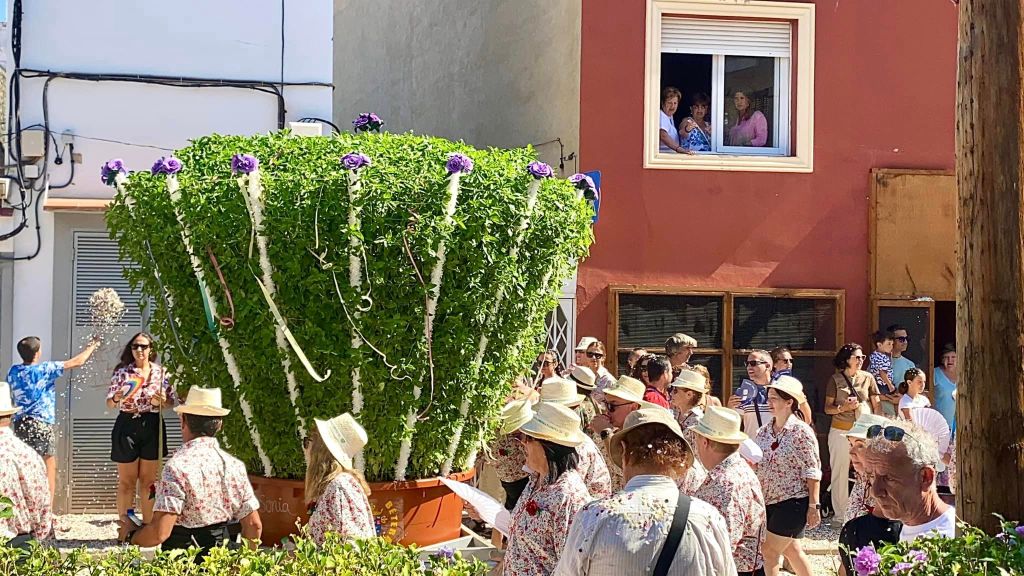
The highlight of the festival is the grand procession, where the basil plants are carried through the streets of Bétera. Accompanied by traditional music and dance, the procession is a lively affair, with participants dressed in traditional Valencian costumes. The “cantoneras,” wearing their finest attire, walk alongside the basil plants, ensuring that the decorations remain intact and adding to the festive atmosphere with their presence.
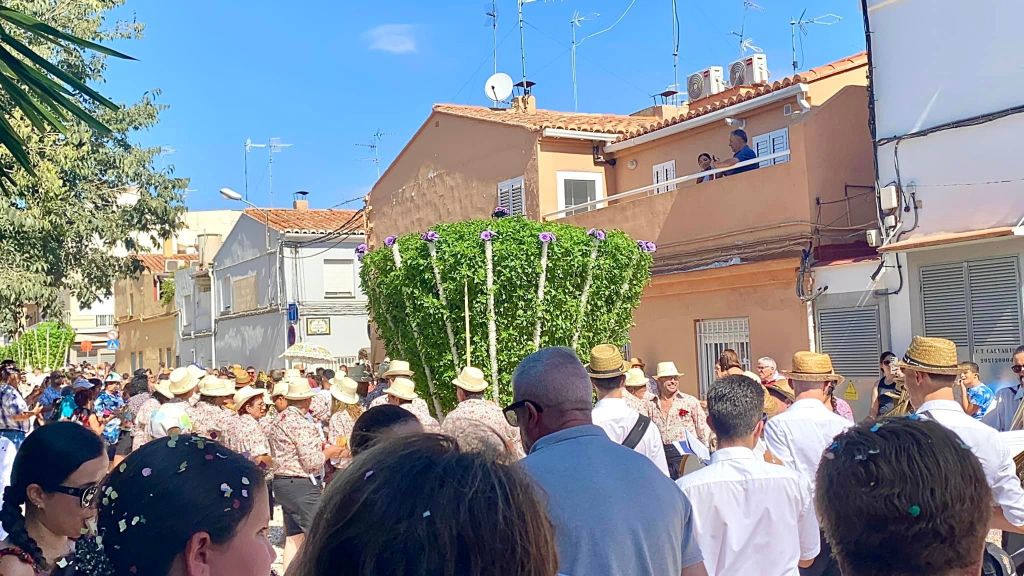
As the procession winds its way through the town, it stops at various points for blessings and prayers. These rituals, led by local clergy, are a reminder of the festival’s religious roots and its connection to the Feast of the Assumption. The blessing of the basil plants is particularly significant, as it is believed to impart the plants with protective properties that can benefit the entire community.
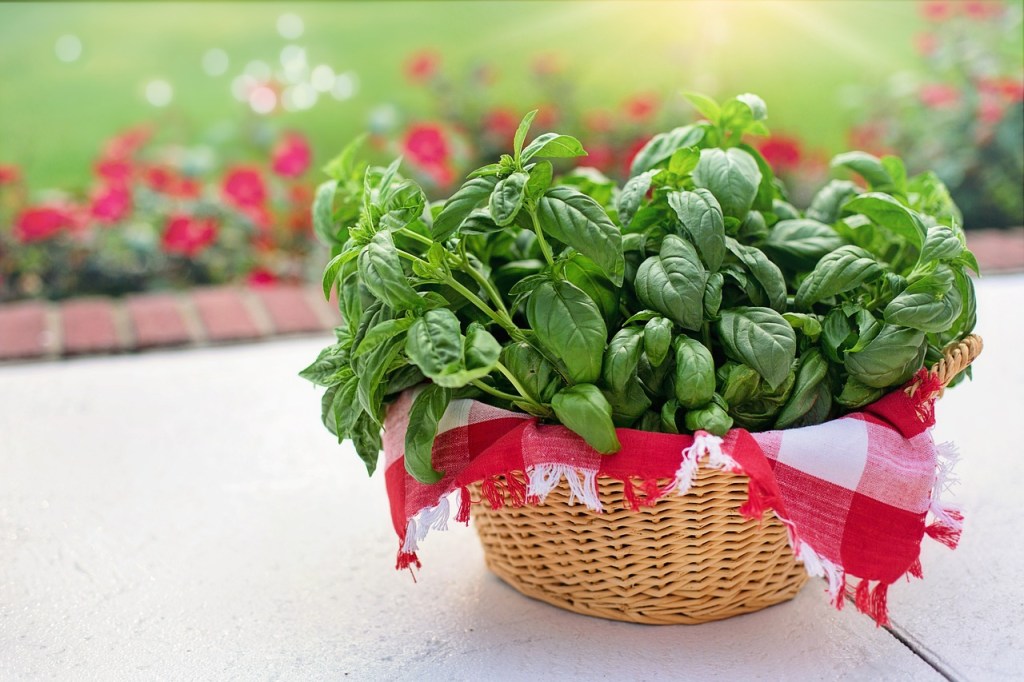
The procession eventually arrives at the local church, where the basil plants are offered to the Virgin Mary. This act of offering is symbolic of the town’s gratitude for the year’s blessings and their hope for continued prosperity. After the religious ceremonies, the plants are distributed among the community, with many people taking home a sprig of basil as a keepsake or to plant in their own gardens.
Cultural and Social Impact
The Basil Festival is more than just a celebration of a plant; it is a reflection of Bétera’s cultural identity and a testament to the town’s strong sense of community. The festival serves as an important social event, bringing together families, friends, and neighbors in a shared experience that reinforces their bonds and fosters a sense of belonging.
For the people of Bétera, the Basil Festival is also a way to preserve their heritage and pass it on to future generations. The involvement of young people in the festival, whether in the cultivation of the basil plants or in the festivities themselves, ensures that these traditions will continue to thrive.
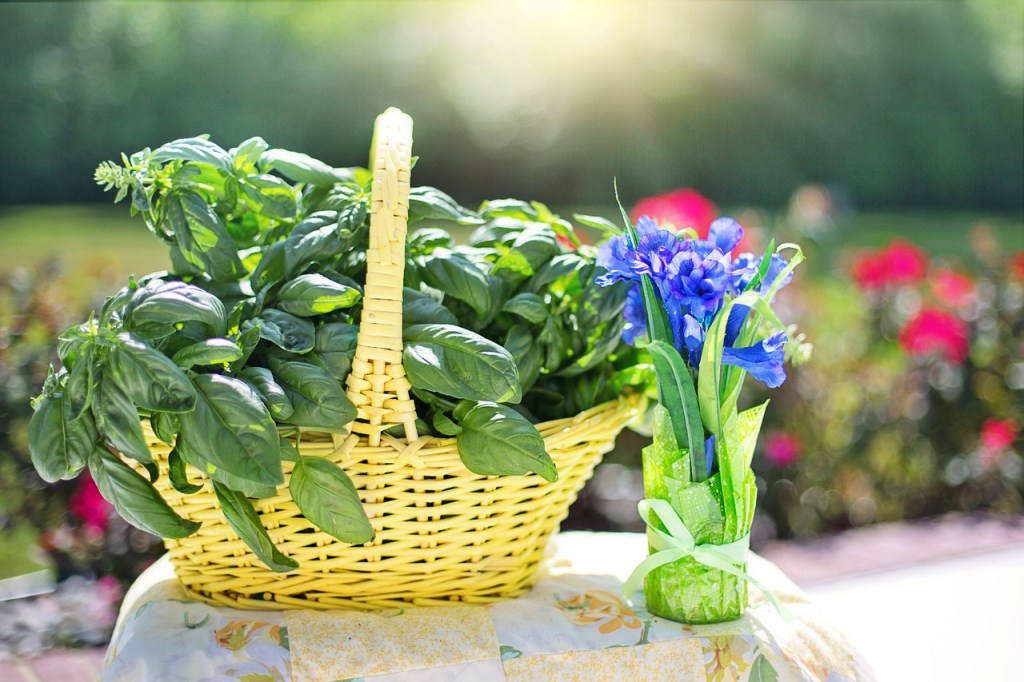
The Basil Festival in Bétera, Spain, is a unique and deeply meaningful celebration that encapsulates the town’s history, culture, and community spirit. On August 15th, the streets of Bétera come alive with the sight and scent of giant basil plants, the sound of traditional music, and the joyful participation of its people. This festival is not just an event but a living tradition that continues to unite and inspire the town year after year, making it a cherished part of Bétera’s cultural landscape.
What’s your favorite part about this festival? Let me know in the comments or on my Facebook Group: Explore With Kelsey!
 Lipsticks and Backpacks