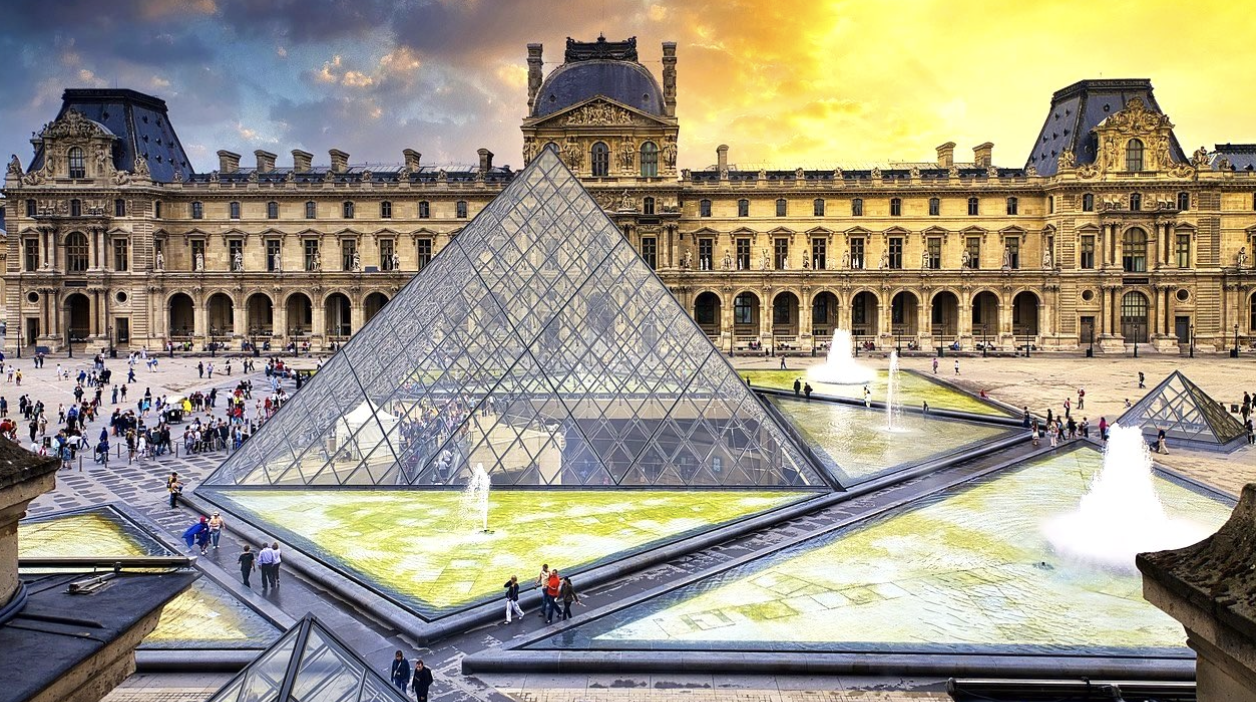
Europe is a treasure trove of art and culture, home to some of the world’s most renowned art galleries and museums. Each venue offers a glimpse into the artistic heritage that has shaped the continent over centuries. This article explores Europe’s most iconic art galleries and museums, highlighting their historical significance and the masterpieces they house.
Join My Facebook Group To Share Your Travel Photos and Get Travel Advice!
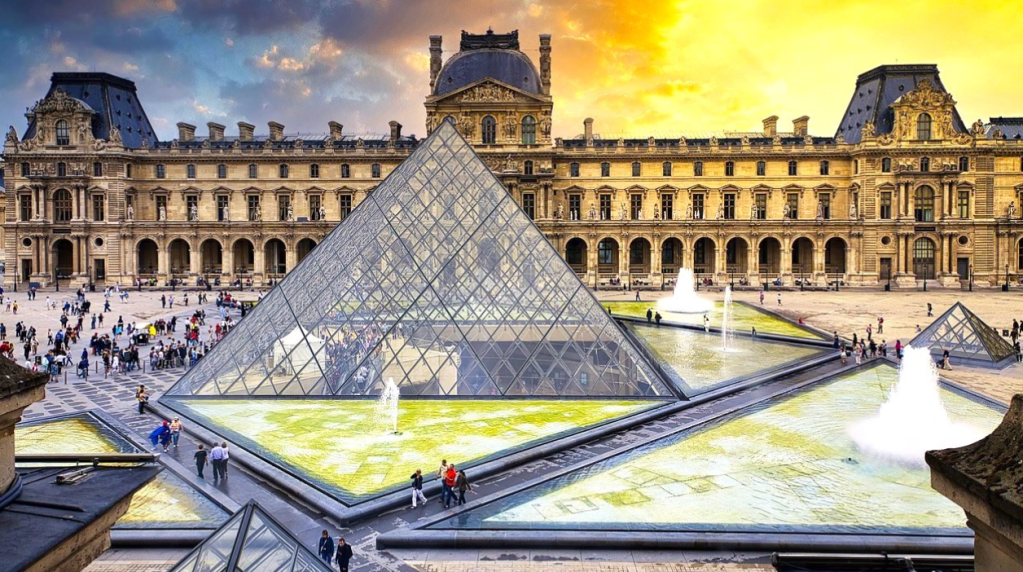
The Louvre, Paris
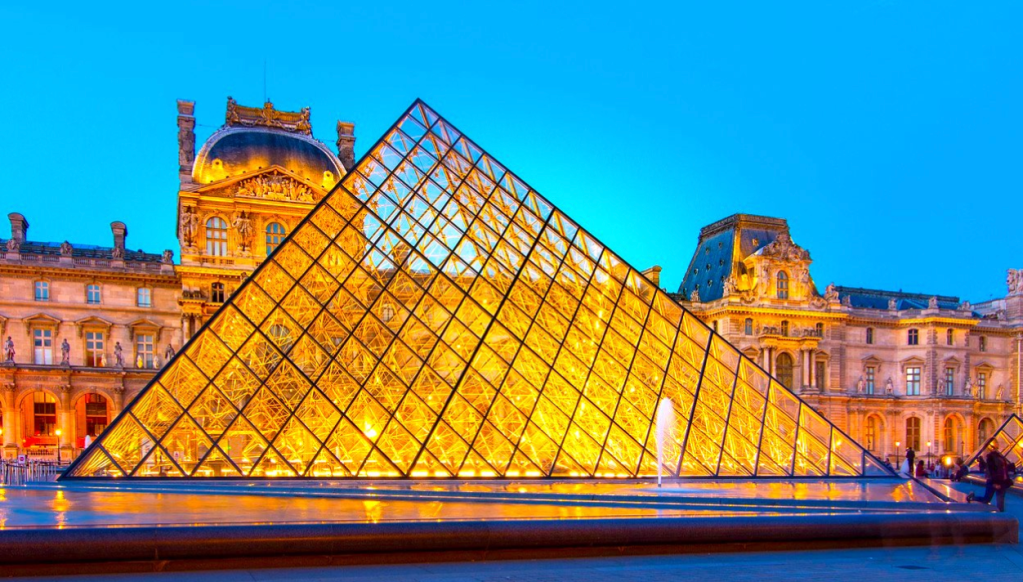
The Louvre Museum in Paris, France, is arguably the most famous and visited art museum in the world. Originally a medieval fortress built in the late 12th century by King Philippe Auguste, it was transformed into a royal palace before becoming a public museum in 1793 during the French Revolution. The Louvre’s glass pyramid entrance, designed by I. M. Pei and inaugurated in 1989, is now an iconic symbol of Paris.
The Louvre houses approximately 38,000 objects, spanning prehistory to the 21st century. Among its most celebrated works are Leonardo da Vinci’s “Mona Lisa,” the ancient Greek statue “Venus de Milo,” and Eugène Delacroix’s “Liberty Leading the People.” The museum’s vast collection is a testament to human creativity and history, making it an essential destination for art lovers.
Want to see more gorgeous places around the world? Check out my YouTube channel, Explore With Kelsey
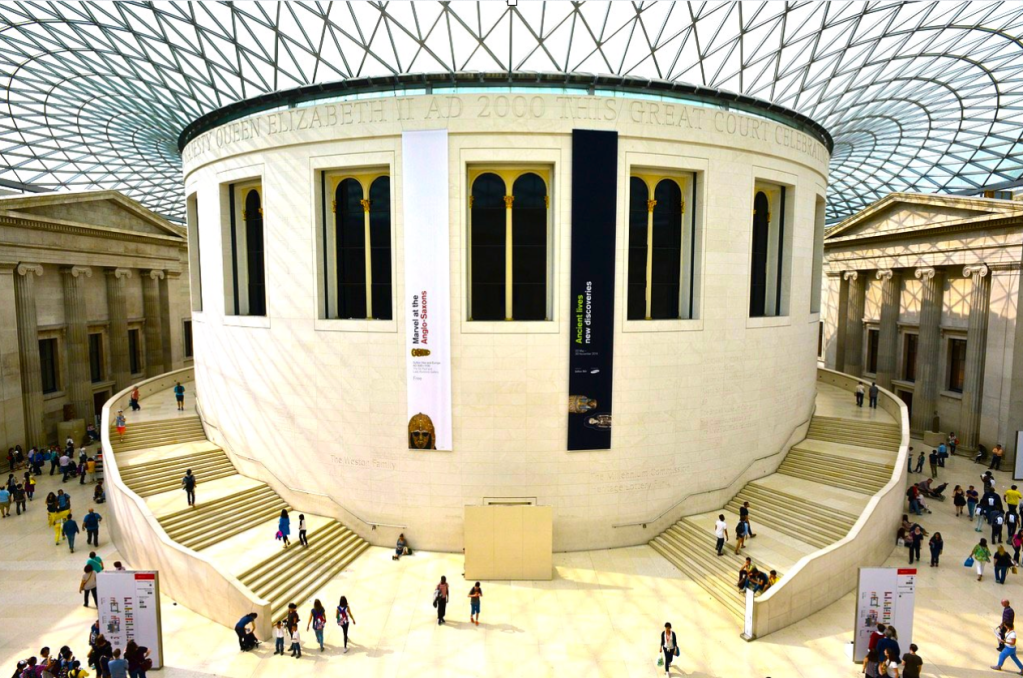
The British Museum, London
Located in the heart of London, the British Museum is a repository of world culture and history. Established in 1753, it was the first national public museum in the world, founded on the collections of Sir Hans Sloane. The museum’s neoclassical architecture, designed by Sir Robert Smirke, has become a London landmark.
The British Museum’s collection spans over two million years of history, with significant artifacts such as the Rosetta Stone, the Parthenon Marbles, and the Egyptian mummies. These objects offer a comprehensive look at human civilization, from ancient Egypt to modern times. The museum’s commitment to education and preservation has made it a beacon of knowledge and culture.
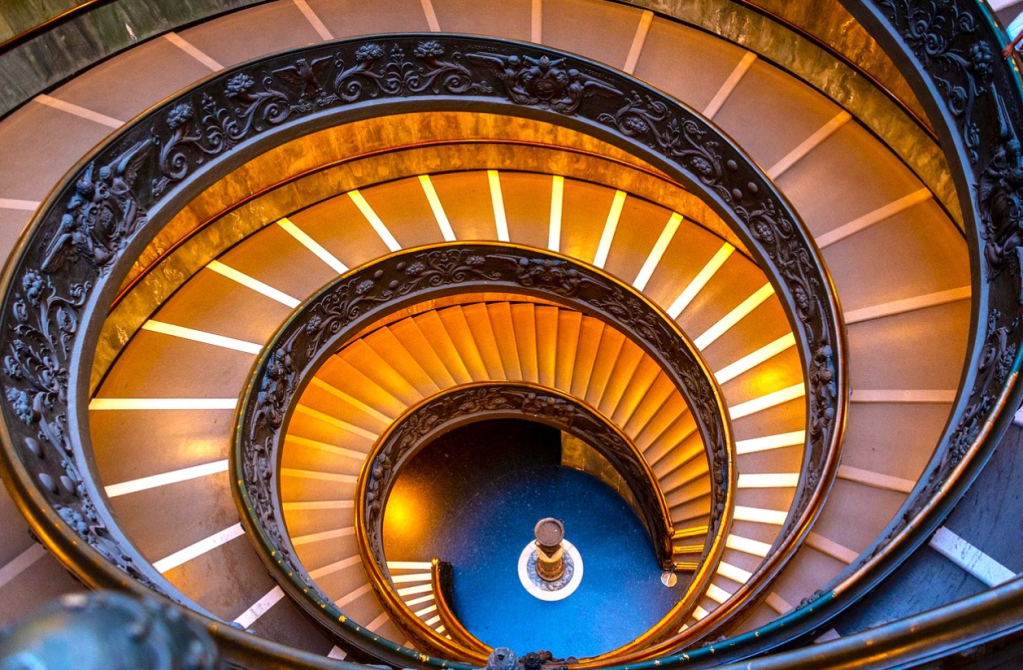
The Vatican Museums, Vatican City
The Vatican Museums, located within Vatican City, are among the most important cultural institutions in the world. Founded by Pope Julius II in the early 16th century, the museums are home to an immense collection of art and historical artifacts accumulated by the Roman Catholic Church over centuries.
One of the most famous attractions in the Vatican Museums is the Sistine Chapel, with its ceiling painted by Michelangelo between 1508 and 1512. The Chapel’s frescoes, including “The Last Judgment,” are considered some of the greatest achievements in Western art. Additionally, the Raphael Rooms, decorated by Raphael and his workshop, showcase the pinnacle of High Renaissance art. Visiting the Vatican Museums is a journey through the history of art and faith.

The Prado Museum, Madrid
The Prado Museum in Madrid, Spain, is one of the finest art museums in the world. Commissioned by King Charles III and opened to the public in 1819, the Prado was originally intended to house the royal collection. The neoclassical building, designed by architect Juan de Villanueva, is itself a masterpiece.
The Prado’s collection features Spanish masterpieces by artists such as Francisco Goya, Diego Velázquez, and El Greco. Velázquez’s “Las Meninas” and Goya’s “The Third of May 1808” are among its highlights. The museum also boasts an impressive collection of Italian and Flemish art, including works by Titian, Rubens, and Hieronymus Bosch. The Prado offers a comprehensive look at the development of European art from the Renaissance to the 19th century.
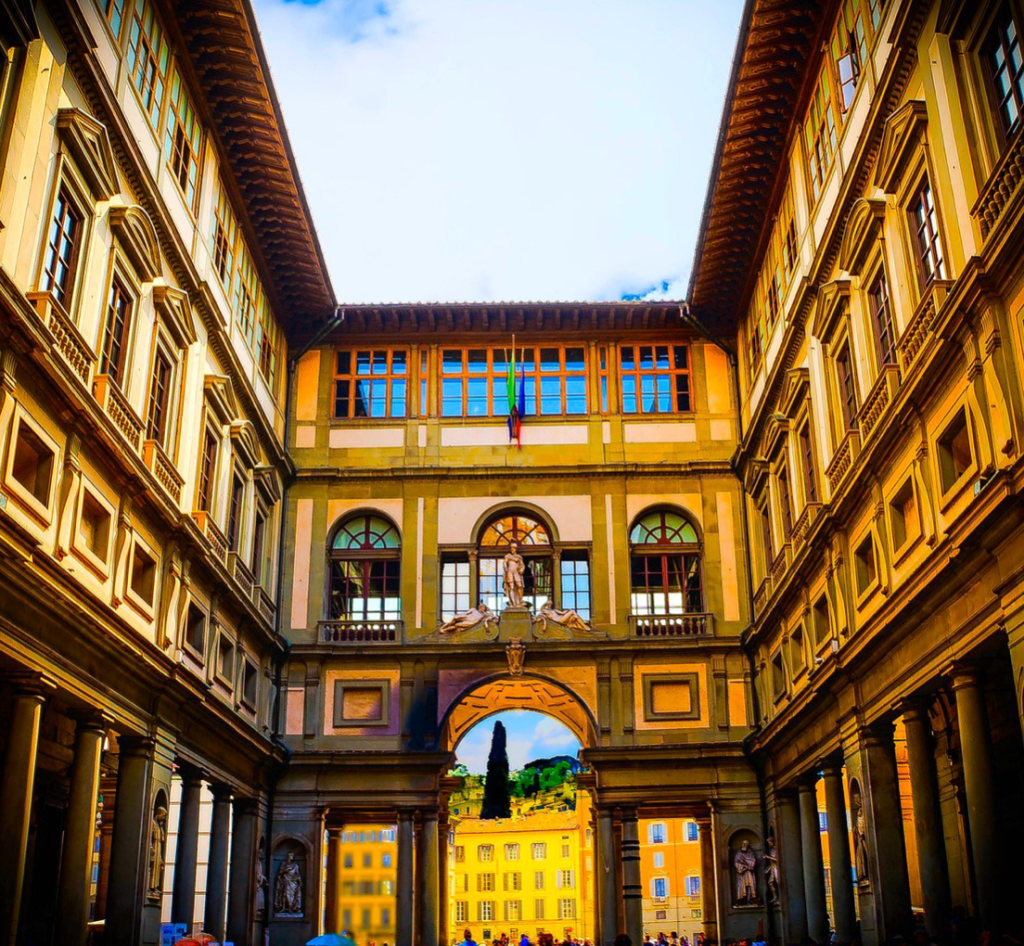
The Uffizi Gallery, Florence
Florence’s Uffizi Gallery is a treasure trove of Renaissance art. Founded in 1581 by Francesco I de’ Medici, the Uffizi was originally designed by Giorgio Vasari as offices (uffizi) for Florentine magistrates. It was later converted into a gallery to display the Medici family’s vast art collection.
The Uffizi’s collection includes iconic works such as Botticelli’s “The Birth of Venus” and “Primavera,” Leonardo da Vinci’s “Annunciation,” and Michelangelo’s “Doni Tondo.” The gallery also features masterpieces by Caravaggio, Raphael, and Titian. The Uffizi Gallery is a testament to Florence’s pivotal role in the Renaissance, offering visitors an unparalleled glimpse into this transformative period in art history.
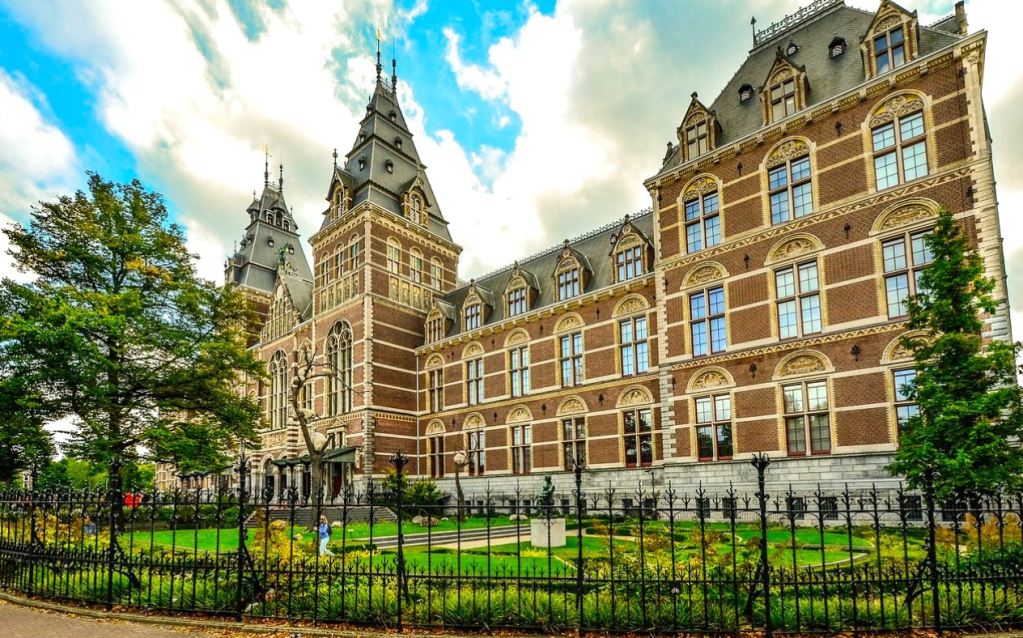
The Rijksmuseum, Amsterdam
The Rijksmuseum in Amsterdam, Netherlands, is the country’s premier art and history museum. Established in 1800 and relocated to its current location in 1885, the museum was designed by architect Pierre Cuypers. The Rijksmuseum underwent a major renovation from 2003 to 2013, which restored its grandeur and improved its exhibition spaces.
The museum’s collection spans over 800 years of Dutch history, with a focus on the Dutch Golden Age. Highlights include Rembrandt’s “The Night Watch,” Vermeer’s “The Milkmaid,” and works by Frans Hals and Jan Steen. The Rijksmuseum also houses an extensive collection of Asian art, decorative arts, and historical artifacts. Its comprehensive collection makes it a cornerstone of Dutch cultural heritage.
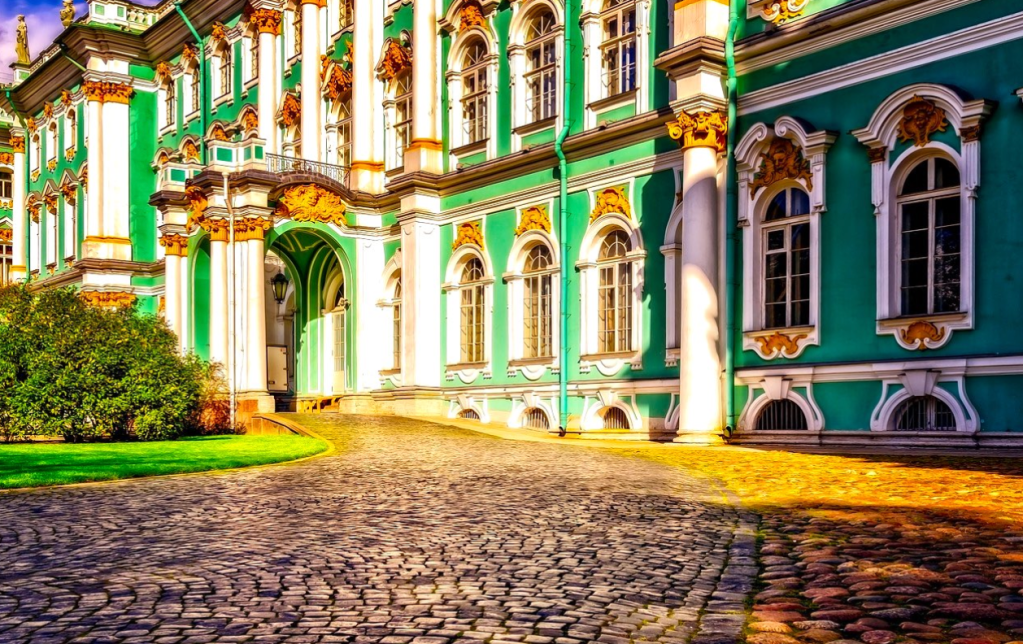
The Hermitage Museum, St. Petersburg
The Hermitage Museum in St. Petersburg, Russia, is one of the largest and oldest museums in the world. Founded in 1764 by Empress Catherine the Great, it began as a private collection and expanded to include over three million items. The museum occupies a complex of six historic buildings along the Palace Embankment, including the Winter Palace, the former residence of the Russian tsars.
The Hermitage’s vast collection includes works by Leonardo da Vinci, Michelangelo, Raphael, Rembrandt, and Titian. It also features an extensive array of ancient Egyptian, Greek, and Roman artifacts. The museum’s opulent interiors and extensive collection reflect Russia’s imperial past and its dedication to preserving and celebrating global art and culture.
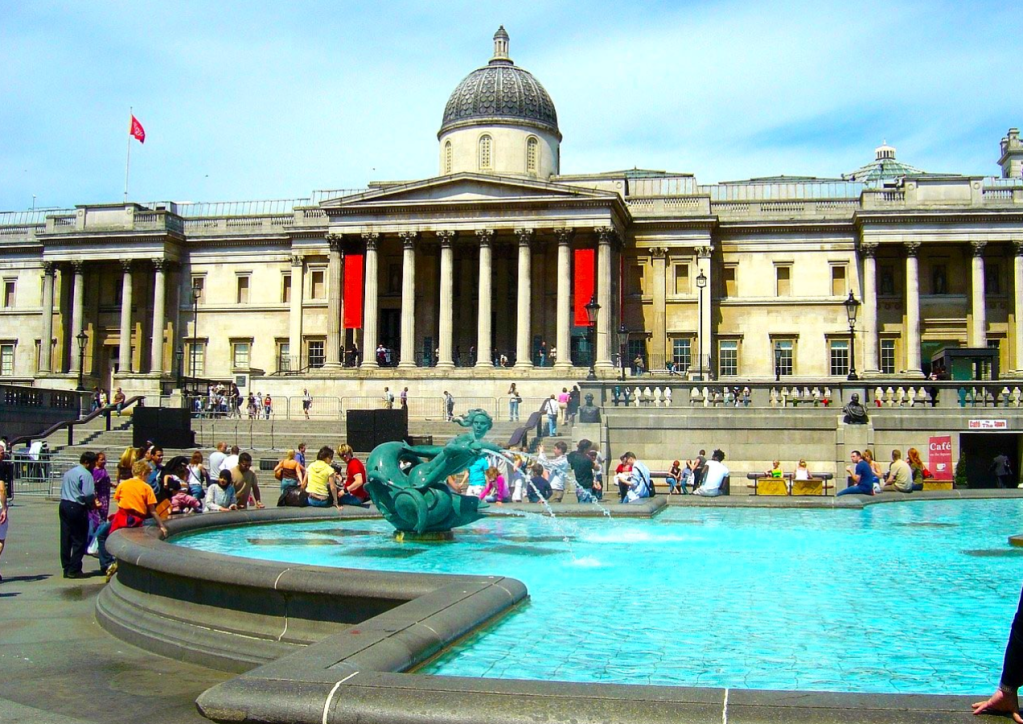
The National Gallery, London
The National Gallery in London, established in 1824, is one of the most visited art museums in the world. Located in Trafalgar Square, the gallery’s neoclassical building was designed by William Wilkins and opened to the public in 1838. The National Gallery’s collection belongs to the British public and is free to visit.
The gallery’s collection spans Western European art from the 13th to the 19th centuries, featuring works by Leonardo da Vinci, Vincent van Gogh, and J.M.W. Turner. Highlights include Van Gogh’s “Sunflowers,” Botticelli’s “Venus and Mars,” and Caravaggio’s “Supper at Emmaus.” The National Gallery’s comprehensive collection offers a panoramic view of European art history.
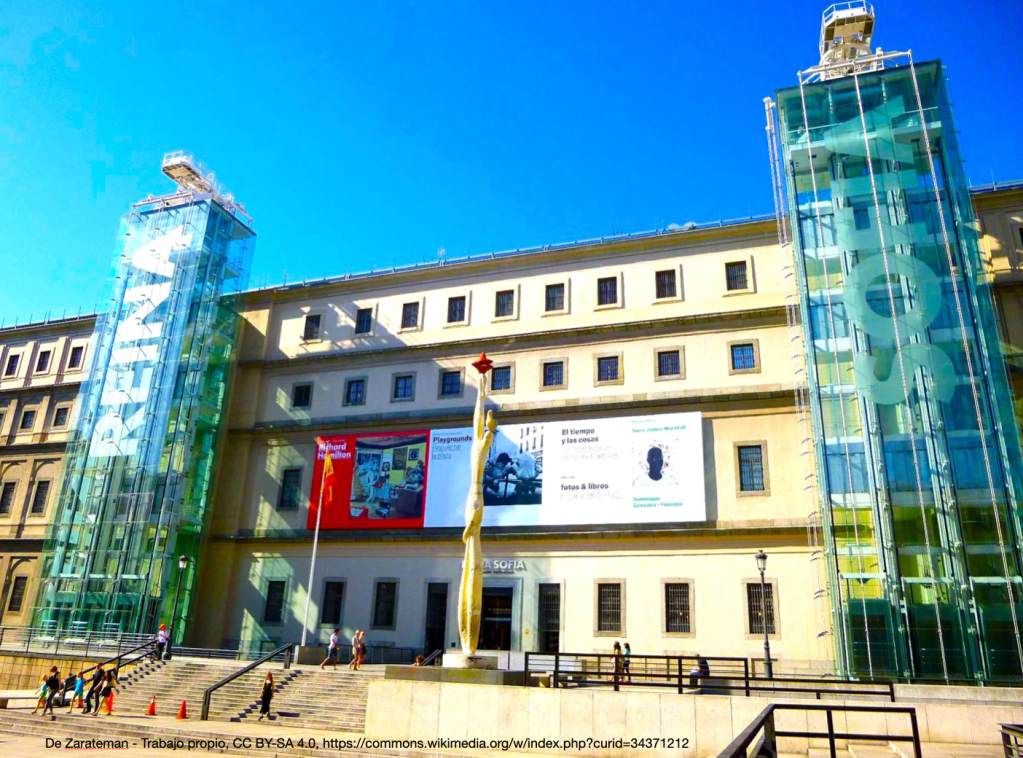
The Museo Nacional Centro de Arte Reina Sofía, Madrid
Madrid’s Museo Nacional Centro de Arte Reina Sofía, often referred to as the Reina Sofía, is Spain’s premier museum of modern and contemporary art. Opened in 1992, the museum is housed in a former hospital building designed by Francisco Sabatini in the 18th century, with a modern extension by Jean Nouvel completed in 2005.
The Reina Sofía’s collection includes works by Pablo Picasso, Salvador Dalí, and Joan Miró. The museum’s centerpiece is Picasso’s “Guernica,” a powerful anti-war painting created in response to the bombing of the Basque town of Guernica during the Spanish Civil War. The Reina Sofía offers a deep dive into the avant-garde movements that shaped 20th-century art.
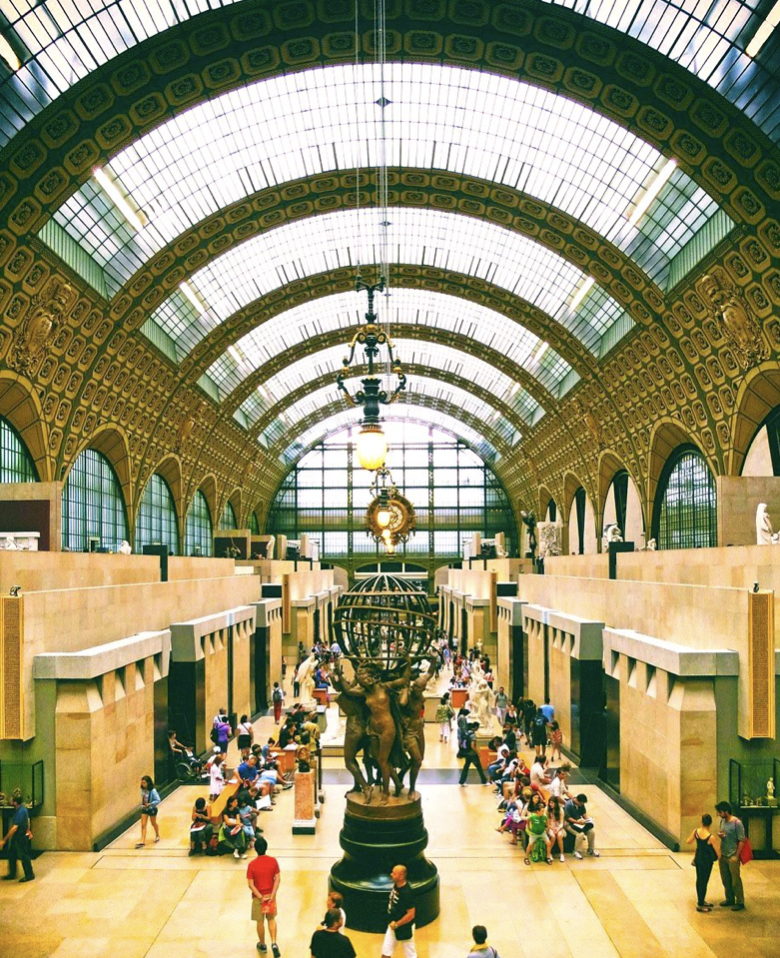
The Musée d’Orsay, Paris
The Musée d’Orsay in Paris, France, is renowned for its collection of Impressionist and Post-Impressionist masterpieces. Housed in a former Beaux-Arts railway station built for the 1900 Exposition Universelle, the museum opened in 1986. The building’s architectural beauty is a perfect complement to the artworks it houses.
The Musée d’Orsay’s collection includes works by Monet, Manet, Degas, Renoir, Cézanne, and Van Gogh. Highlights include Manet’s “Olympia,” Monet’s “Water Lilies,” and Van Gogh’s “Starry Night Over the Rhône.” The museum provides an in-depth look at the transformative period of art from the mid-19th to early 20th centuries, showcasing the evolution of modern art.
Europe’s art galleries and museums offer a journey through the history of art and culture, each with its own unique collection and historical significance. From the opulent halls of the Hermitage Museum to the modern masterpieces of the Reina Sofía, these institutions preserve and celebrate the artistic legacy of humanity. Whether you are an art enthusiast or a casual visitor, exploring these renowned museums and galleries is an enriching experience that highlights the creativity and diversity of European art.
 Lipsticks and Backpacks