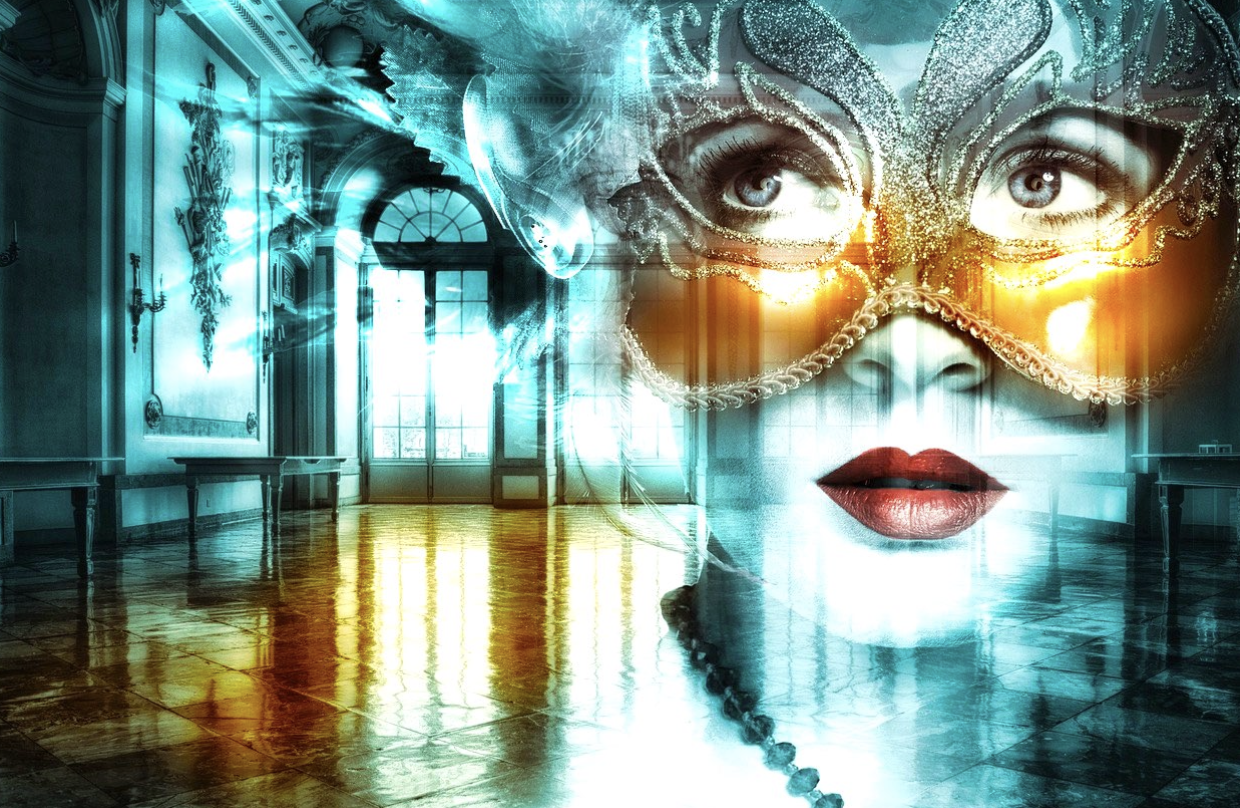
Vienna, the capital of Austria, is renowned for its rich cultural heritage, stunning architecture, and, notably, its grand ball season. This tradition dates back to the 18th century and has evolved into one of the most elegant and celebrated events in the world. Here are ten things to know about Vienna’s ball season!
Join My Facebook Group To Share Your Travel Photos and Get Travel Advice!
1. Historical Origins
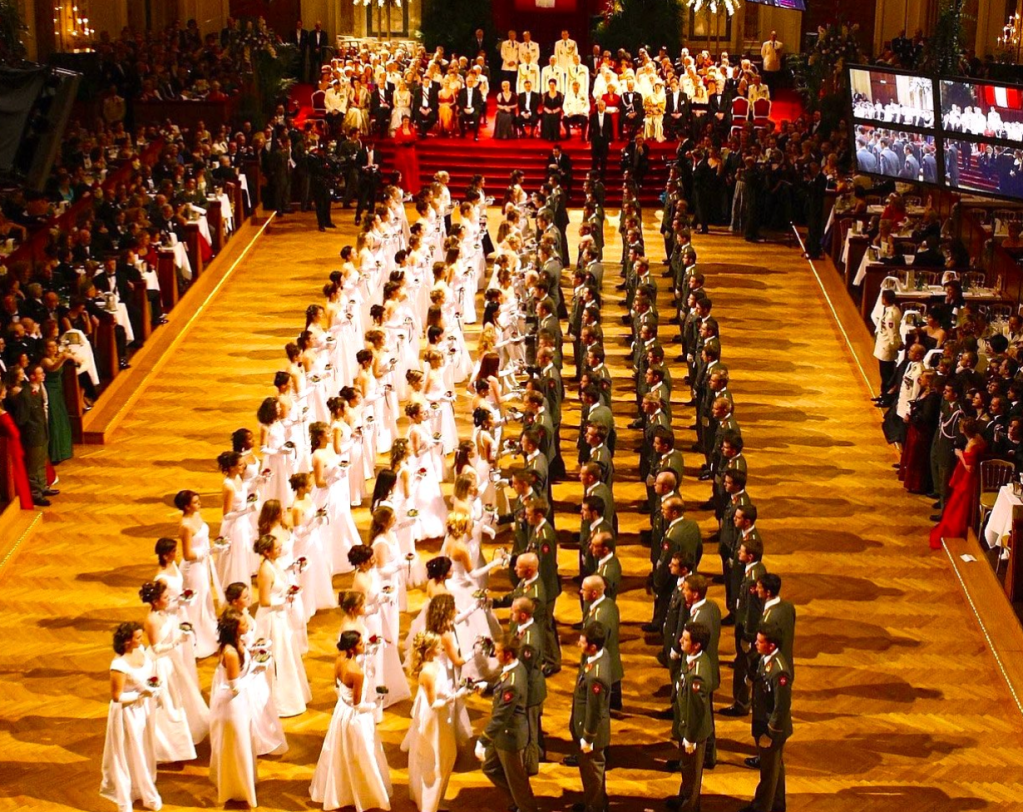
The tradition of Vienna’s ball season can be traced back to the 18th century during the Habsburg era. Empress Maria Theresa, who ruled from 1740 to 1780, was a key figure in popularizing these grand events. The balls were initially exclusive to the aristocracy and took place in the grand halls of the Hofburg Palace. Over time, these events became more accessible, and today, they are a beloved part of Viennese culture, open to a wider public.
Want to see more gorgeous places around the world? Check out my YouTube channel, Explore With Kelsey
2. The Opening of the Ball Season
Vienna’s ball season officially kicks off in November and runs through to February. The season begins with the prestigious “Vienna Ball” at the Hofburg Palace, held on the first Saturday in November. This event sets the tone for the season, featuring grandiose decorations, exquisite cuisine, and performances by the Vienna Philharmonic Orchestra.
3. The Opera Ball
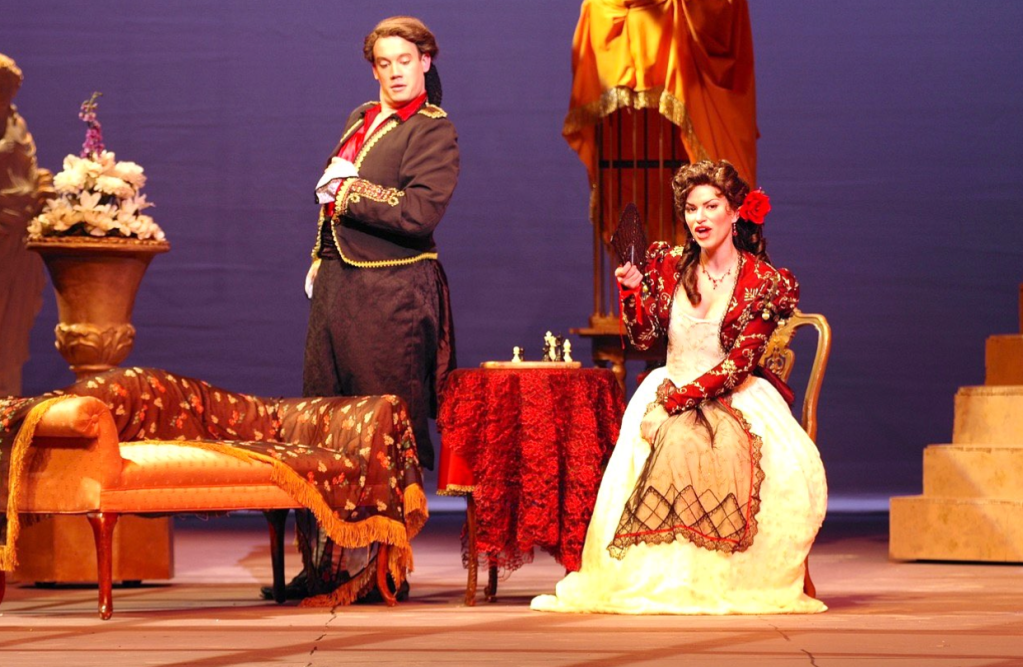
The Vienna Opera Ball, held at the Vienna State Opera, is perhaps the most famous of all the balls. It takes place on the last Thursday in February and attracts celebrities, politicians, and socialites from around the globe. The ball dates back to 1935 and is known for its extravagant opening ceremony, which includes a debutante procession, a choreographed dance by young couples, and performances by renowned opera singers.
4. The Kaffeesiederball
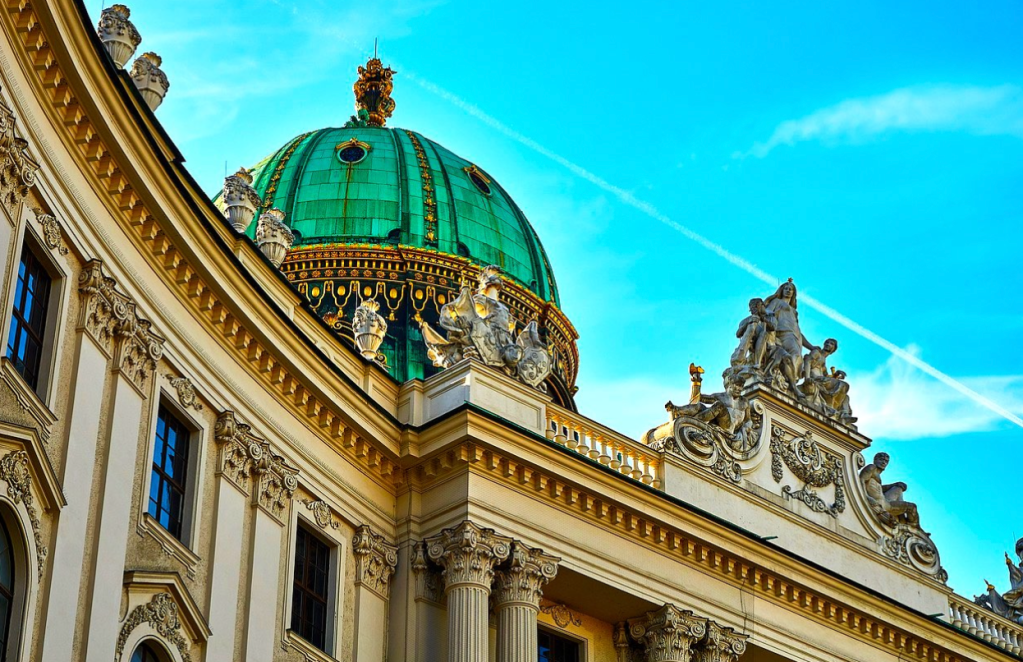
One of the more unique events is the Kaffeesiederball, held in mid-February at the Hofburg Palace. This ball is organized by the Viennese Coffee House Owners’ Association and celebrates Vienna’s coffee culture. The event features coffee-themed decorations, live music, and dancing until the early morning hours. The Kaffeesiederball dates back to 1956 and has become a beloved tradition among coffee enthusiasts.
5. The Ball of Sciences
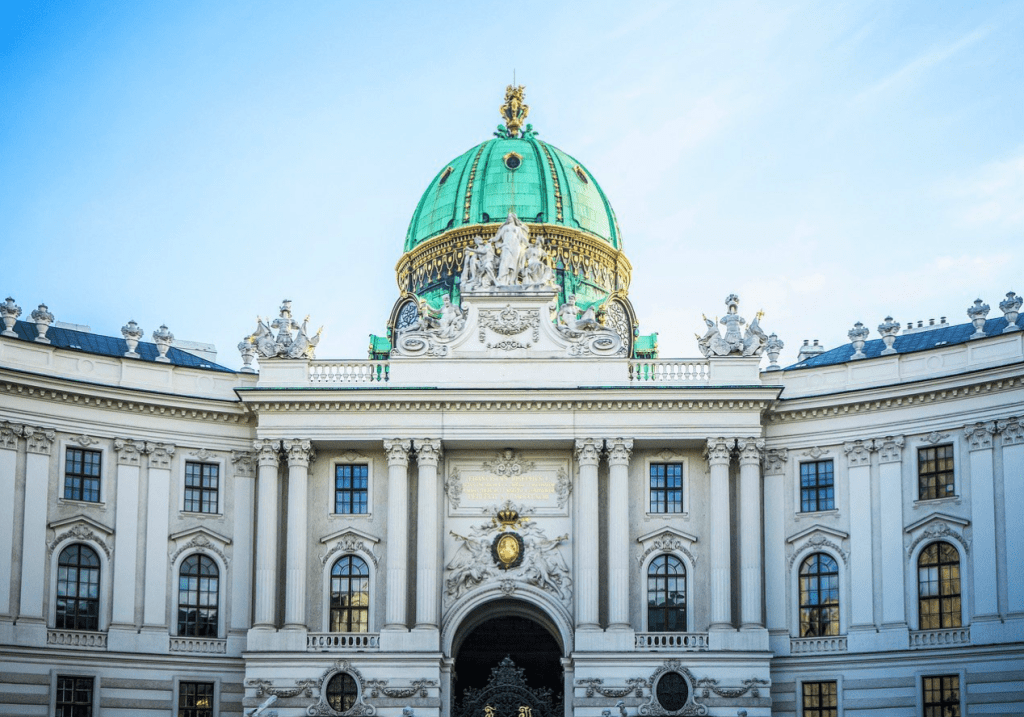
The Ball of Sciences, held in mid-January at the Hofburg Palace, is a celebration of intellectual and scientific achievements. Established in 2013, this ball brings together academics, researchers, and students for a night of dancing and networking. The event includes a formal opening ceremony, various music ensembles, and scientific exhibitions, reflecting Vienna’s status as a city of learning and innovation.
6. The Philharmonic Ball
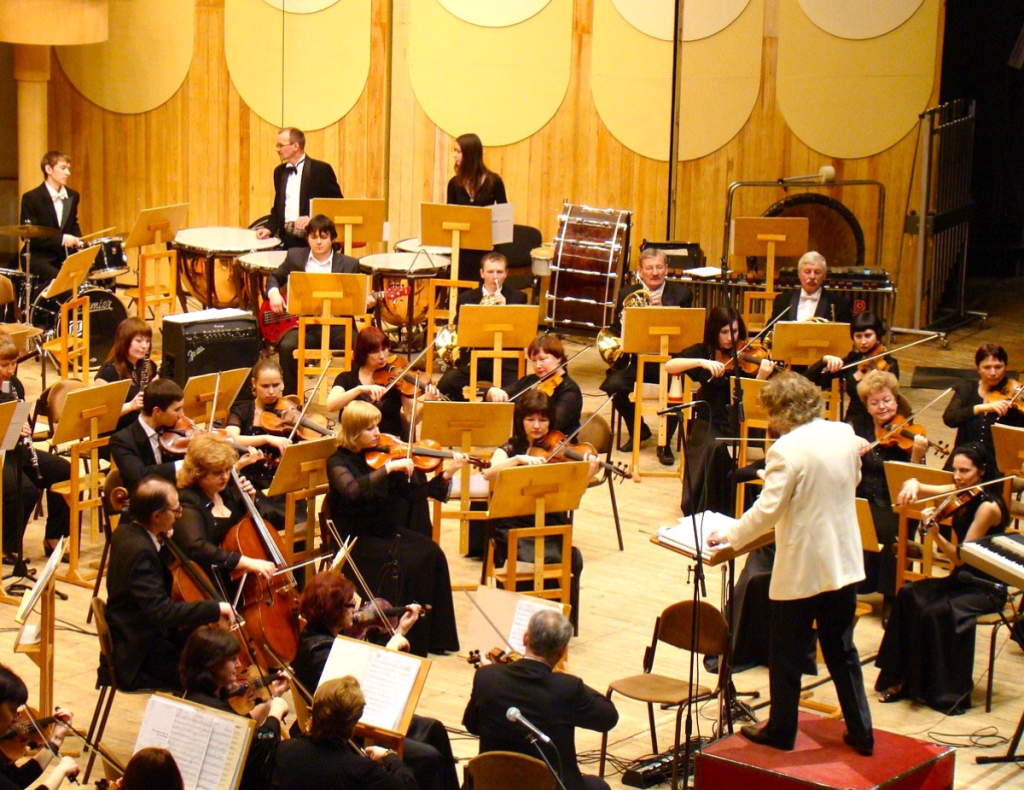
The Vienna Philharmonic Ball is another highlight of the season, taking place at the Musikverein, home of the Vienna Philharmonic Orchestra, in late January. This event is known for its high musical standards and features performances by members of the orchestra. The ball was first held in 1924 and has since become a prestigious event, attracting music lovers and dignitaries from around the world.
7. The Confectioners’ Ball
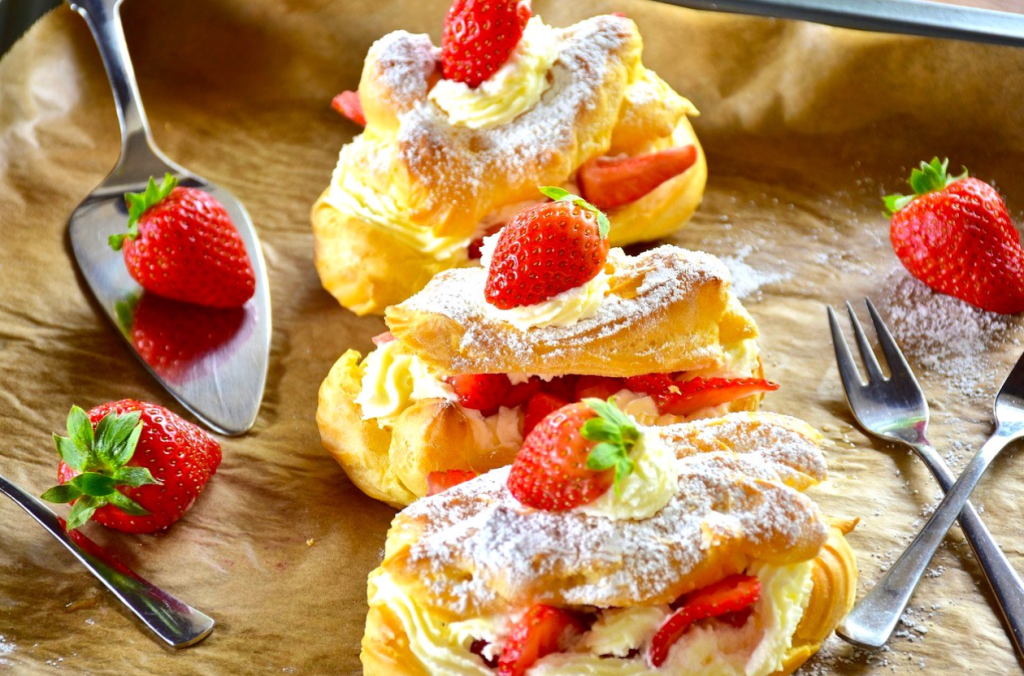
For those with a sweet tooth, the Confectioners’ Ball, held in early February at the Hofburg Palace, is a must-attend event. This ball is organized by the Viennese confectioners and features elaborate dessert displays, including a grand sugar sculpture. The event dates back to 1903 and showcases the best of Viennese pastry and confectionery craftsmanship.
8. The Hunters’ Ball
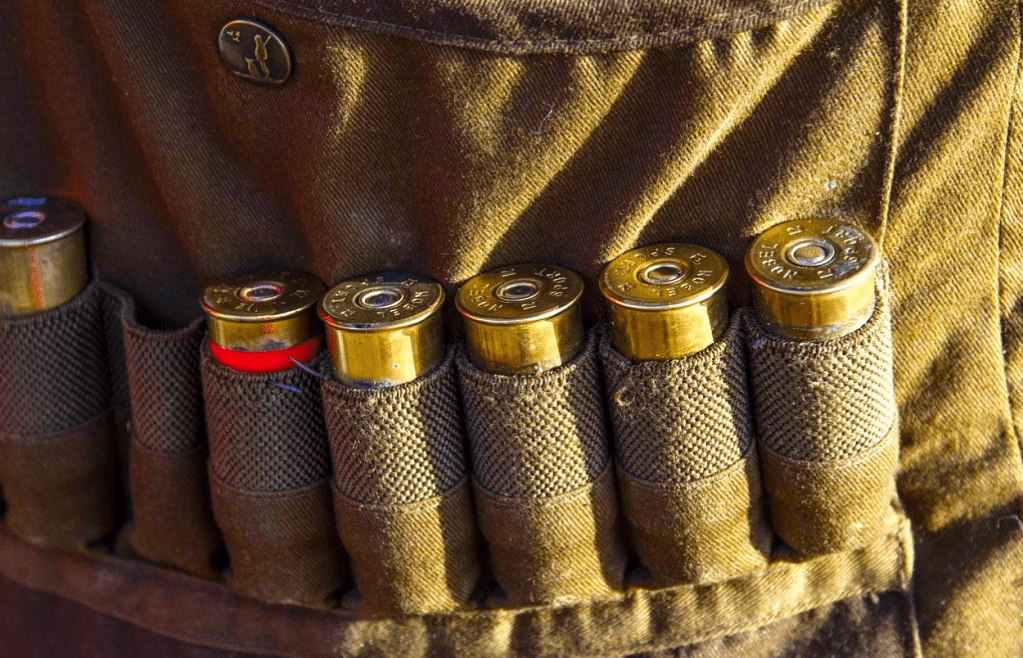
The Hunters’ Ball, known as the “Jägerball,” takes place in late January at the Hofburg Palace and celebrates Vienna’s hunting traditions. Established in 1926, this ball features traditional hunting attire, live music, and dance performances. The event is attended by members of the hunting community and offers a unique glimpse into Vienna’s rural and aristocratic heritage.
9. Dress Code and Traditions
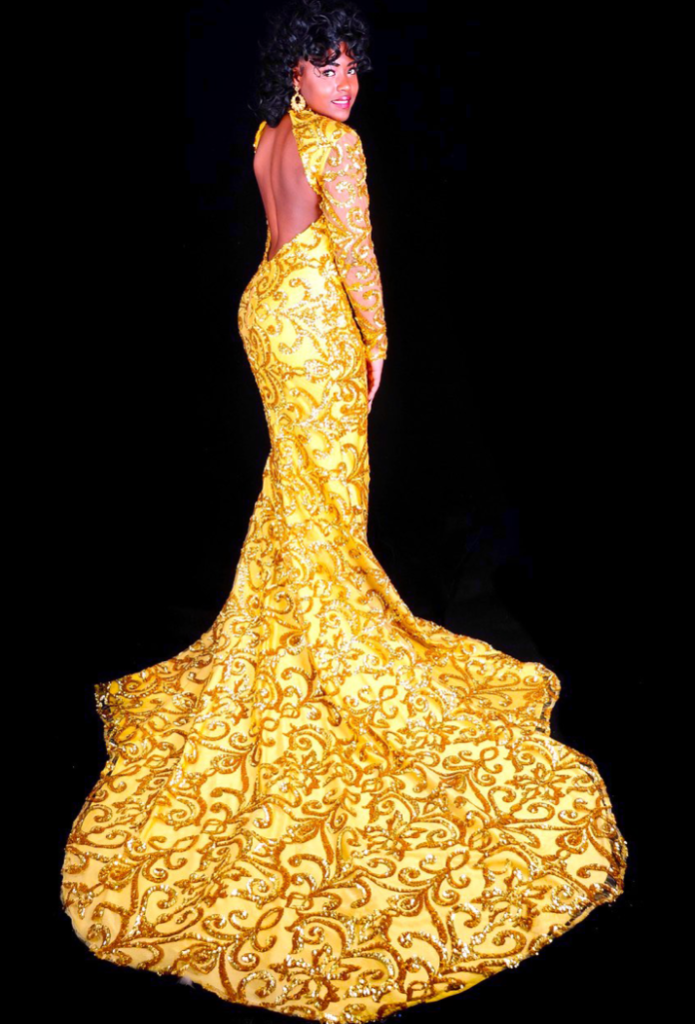
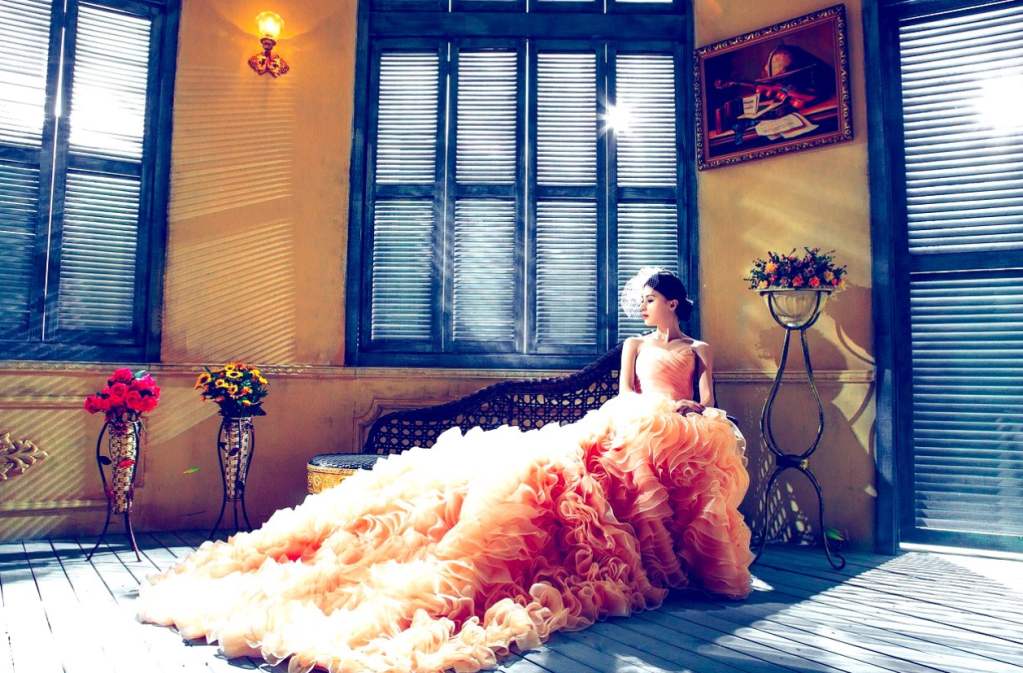
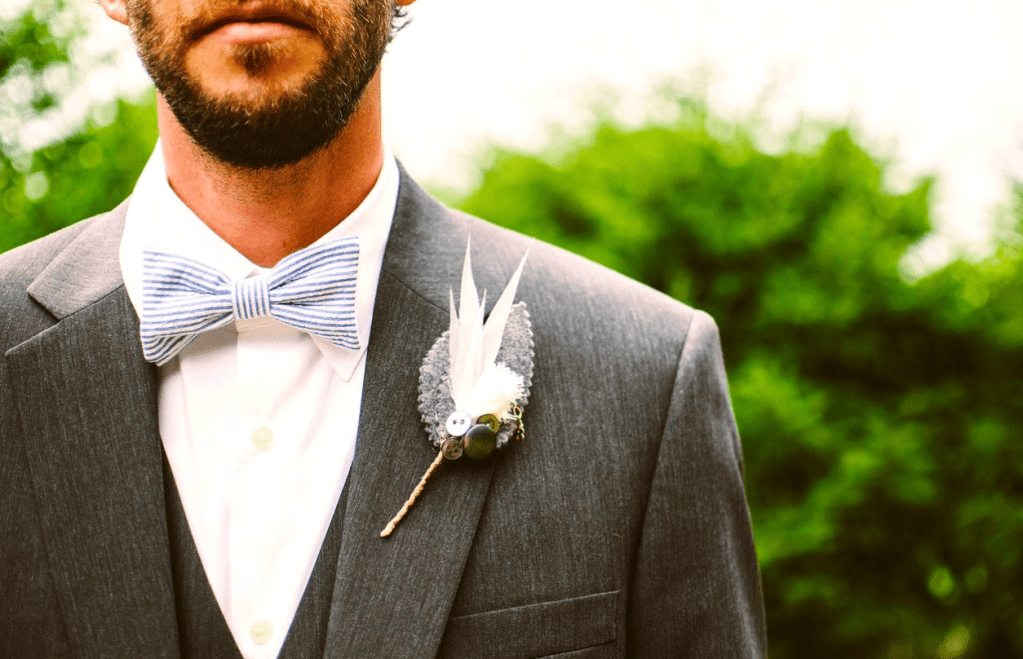
Vienna’s balls are known for their strict dress codes and adherence to tradition. Men are expected to wear black tailcoats or tuxedos, while women don full-length evening gowns. Debutantes, typically young women making their formal societal debut, wear white gowns and long gloves. The opening ceremony often includes a polonaise, a traditional dance that sets the stage for the evening’s festivities. Guests also partake in the midnight quadrille, a lively group dance that adds to the event’s charm.
10. Venues and Locations
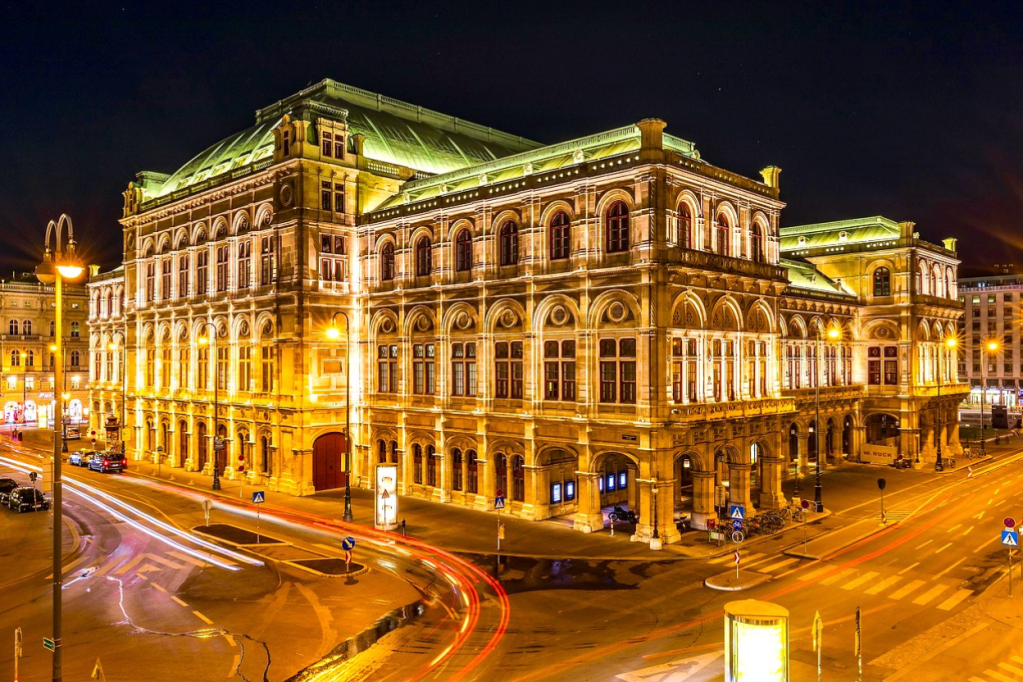
While the Hofburg Palace is the most famous venue for Vienna’s balls, several other locations host these grand events. The Vienna State Opera, with its opulent interiors and rich history, provides a stunning backdrop for the Opera Ball. The Musikverein, known for its exceptional acoustics, hosts the Philharmonic Ball. Additionally, the Rathaus (City Hall) and various grand hotels across the city serve as elegant venues for numerous other balls, each offering a unique ambiance and experience.
Vienna’s ball season is a glittering celebration of tradition, culture, and elegance. With events that cater to various interests and tastes, from the music-focused Philharmonic Ball to the coffee-themed Kaffeesiederball, there is something for everyone. These balls not only provide a glimpse into Vienna’s rich history but also allow participants to experience the city’s timeless charm and sophistication. Whether you are dancing the night away in a grand palace or marveling at intricate sugar sculptures, Vienna’s ball season is an unforgettable experience that embodies the spirit and heritage of this magnificent city.
Fun Facts and Additional Insights
- The Debutantes: The tradition of debutantes making their formal entrance into society is a highlight of many balls. The debutantes’ presentation, often accompanied by young men in military uniforms, is a carefully choreographed event that symbolizes grace and elegance.
- The Quadrille: The midnight quadrille, a dance originating from the 18th century, is a staple of Vienna’s ball season. It involves a series of intricate steps and figures, and guests eagerly join in, guided by the dance master’s instructions.
- Historical Significance: Vienna’s ball season has survived significant historical events, including the fall of the Habsburg Empire, two World Wars, and political changes. It remains a testament to the city’s resilience and cultural continuity.
- Global Appeal: While deeply rooted in Viennese tradition, the ball season attracts visitors from around the world. Many international guests come to experience the glamour and cultural richness of these events, adding to their cosmopolitan flair.
- Cultural Impact: The balls have inspired numerous artistic works, including Johann Strauss II’s famous waltzes, which continue to be played at these events. The ball season is a living embodiment of Vienna’s musical and cultural legacy.
- Economic Influence: Beyond their cultural significance, Vienna’s balls also have a substantial economic impact, contributing to tourism and local businesses. The influx of visitors during the ball season boosts the hospitality, fashion, and service industries.
- Charity Events: Many of Vienna’s balls support charitable causes, with proceeds often going to local and international organizations. This philanthropic aspect adds a meaningful dimension to the festivities, aligning with Vienna’s tradition of social responsibility.
- Modern Adaptations: While preserving their traditional elements, Vienna’s balls have also embraced modernity. Contemporary music, innovative culinary experiences, and inclusive practices have been integrated into the events, ensuring their relevance in today’s world.
- Educational Opportunities: Some balls offer workshops and seminars on traditional dances, etiquette, and Viennese culture. These educational opportunities allow participants to deepen their understanding and appreciation of the city’s heritage.
- Year-Round Preparation: The preparation for Vienna’s ball season is a year-round endeavor. From the meticulous planning of the events to the creation of elaborate gowns and decorations, the dedication and effort that go into these balls reflect the passion and pride of those involved.
Vienna’s ball season is a dazzling display of elegance, tradition, and cultural richness. It offers a unique opportunity to step back in time and experience the grandeur of a bygone era, while also celebrating the vibrant and dynamic spirit of contemporary Vienna. Whether you are a seasoned attendee or a curious newcomer, the ball season promises an enchanting and unforgettable journey into the heart of Viennese culture.
Which ball would you attend? Let me know in the comments or on my Facebook Group: Explore With Kelsey!
 Lipsticks and Backpacks