Europe, a continent rich in history, culture, and diverse landscapes, is home to many famous cities like Paris, Rome, and London. However, beyond these well-trodden paths lie lesser-known cities that offer unique experiences and captivating stories. This article takes you on a journey through some of Europe’s hidden gems, exploring their historical significance and charm.
Ghent, Belgium
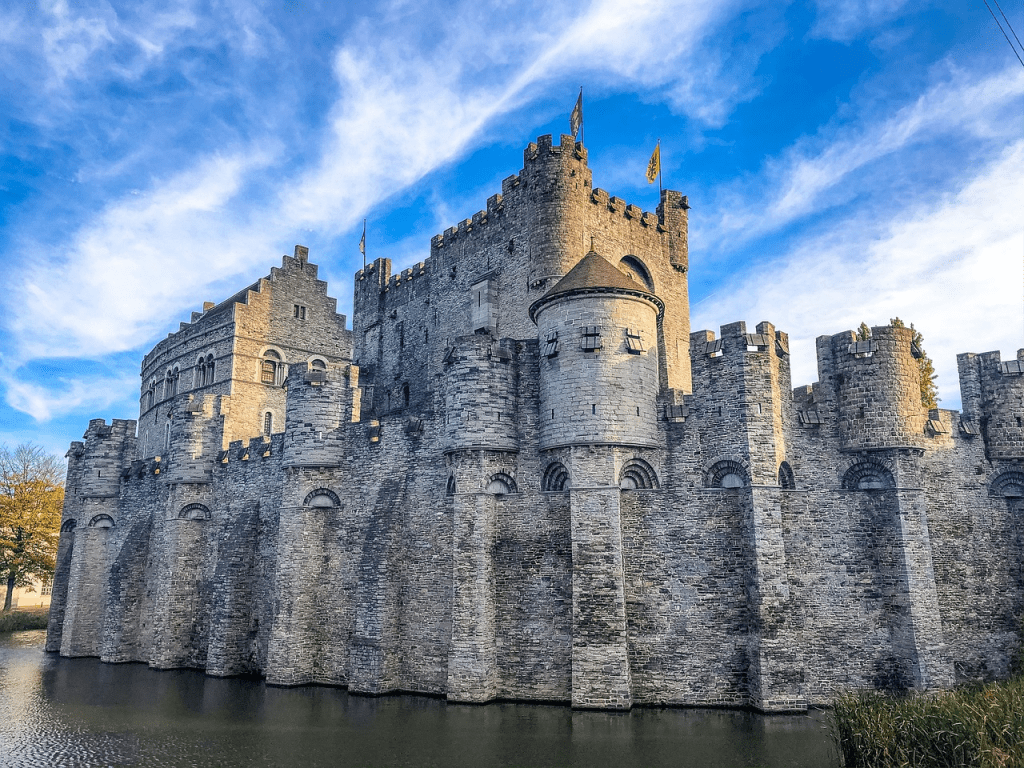
Nestled in the heart of Flanders, Ghent is a city that combines medieval architecture with a vibrant modern culture. Often overshadowed by its more famous neighbors, Brussels and Bruges, Ghent is a treasure trove of history and art.
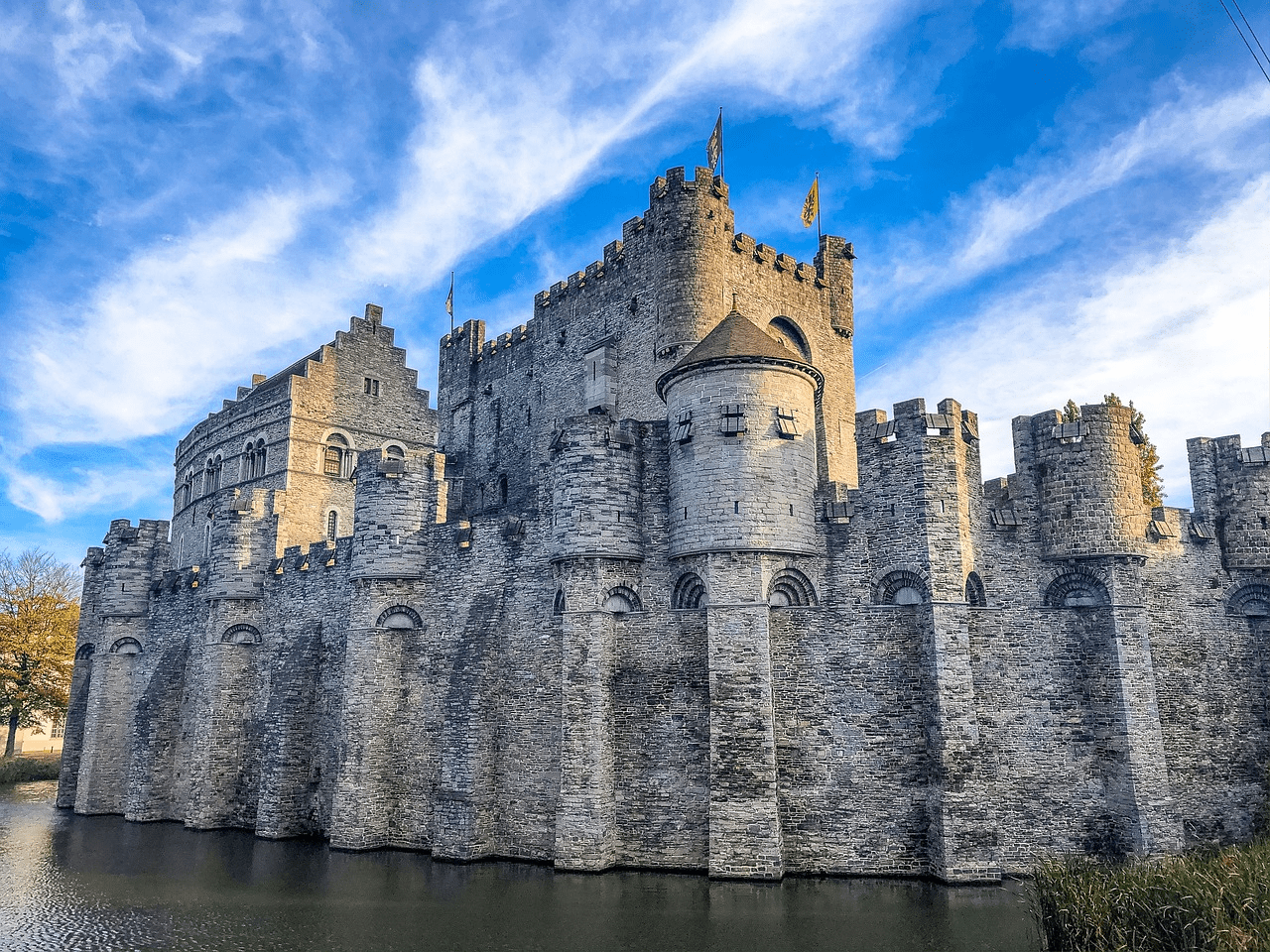
The city’s most iconic landmark is the Gravensteen Castle, a medieval fortress built in 1180 by Count Philip of Alsace. This imposing structure offers a glimpse into the life of medieval knights and nobility. Visitors can explore the castle’s dungeons, armory, and battlements while enjoying panoramic views of the city.
Ghent is also home to the stunning St. Bavo’s Cathedral, where the famous Ghent Altarpiece, also known as the Adoration of the Mystic Lamb, is housed. Painted by the Van Eyck brothers in 1432, this masterpiece is a pinnacle of early Netherlandish art.
Join My Facebook Group To Share Your Travel Photos and Get Travel Advice!
Bergen, Norway
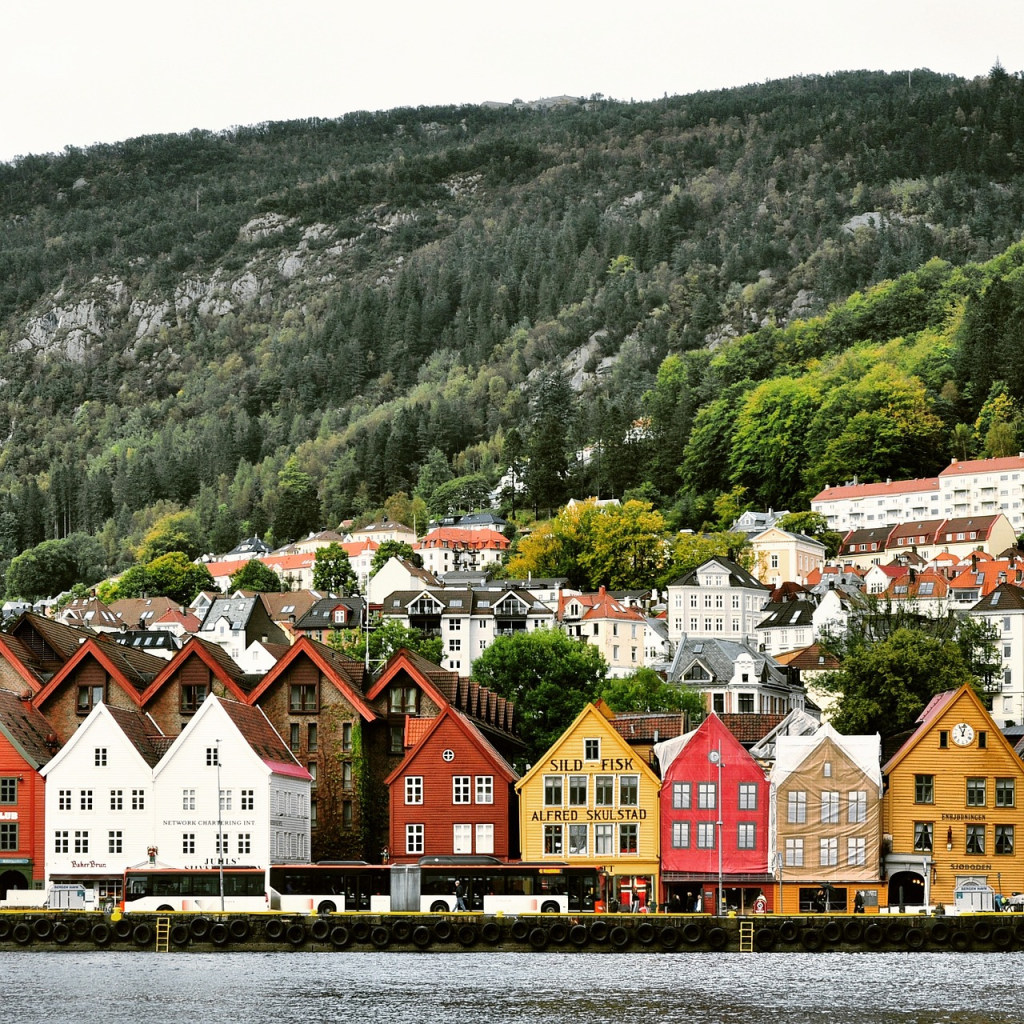
Located on the southwestern coast of Norway, Bergen is a picturesque city known for its beautiful fjords, mountains, and maritime heritage. Founded in 1070, Bergen served as a major trading hub of the Hanseatic League during the medieval period.
The Bryggen Hanseatic Wharf, a UNESCO World Heritage site, is a testament to Bergen’s historical significance. The colorful wooden buildings along the wharf date back to the 14th century and now house museums, shops, and restaurants. Walking through Bryggen feels like stepping back in time, offering a unique glimpse into Norway’s trading past.
Bergen is also a gateway to the stunning Norwegian fjords, including the famous Sognefjord, the longest and deepest fjord in Norway. Visitors can take scenic boat tours or hike through the surrounding mountains to experience the breathtaking natural beauty of the region.
Want to see more gorgeous places around the world? Check out my YouTube channel, Explore With Kelsey
Matera, Italy
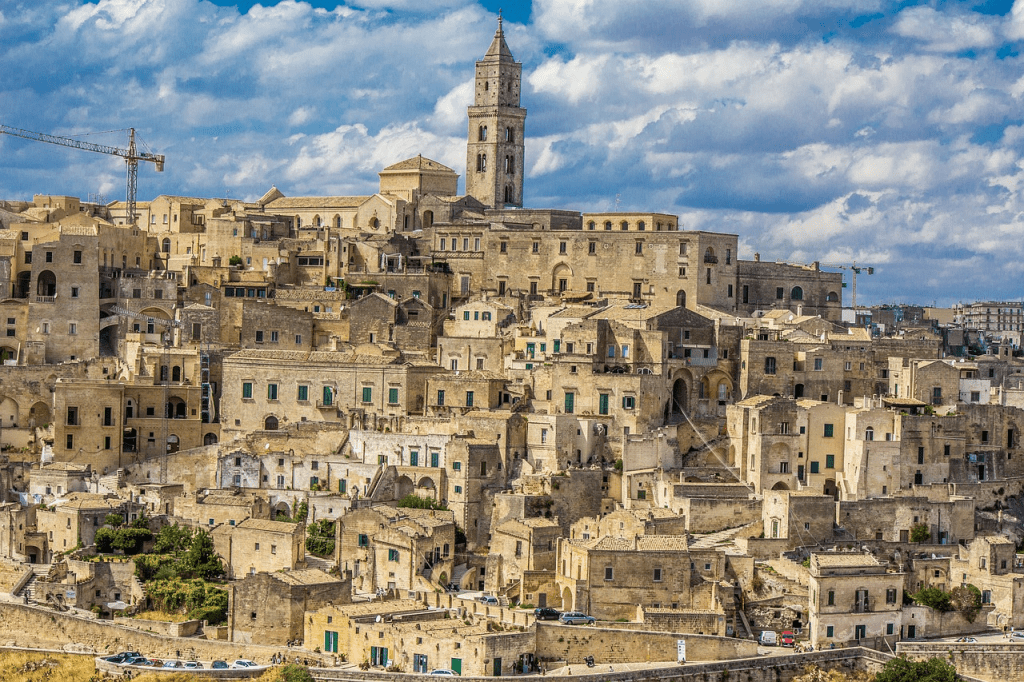
Matera, located in the southern region of Basilicata, is one of the oldest continuously inhabited cities in the world. The city’s most distinctive feature is the Sassi, a complex of cave dwellings carved into the limestone cliffs.
The Sassi di Matera, a UNESCO World Heritage site, date back to the Paleolithic era. These ancient cave dwellings were inhabited until the 1950s and have since been transformed into museums, hotels, and restaurants. Exploring the labyrinthine alleys and caves of the Sassi offers a unique insight into a way of life that has persisted for millennia.
Matera’s historical significance and unique landscape have made it a popular filming location, most notably for Mel Gibson’s “The Passion of the Christ” in 2004. The city’s designation as the European Capital of Culture in 2019 further cemented its status as a cultural gem.
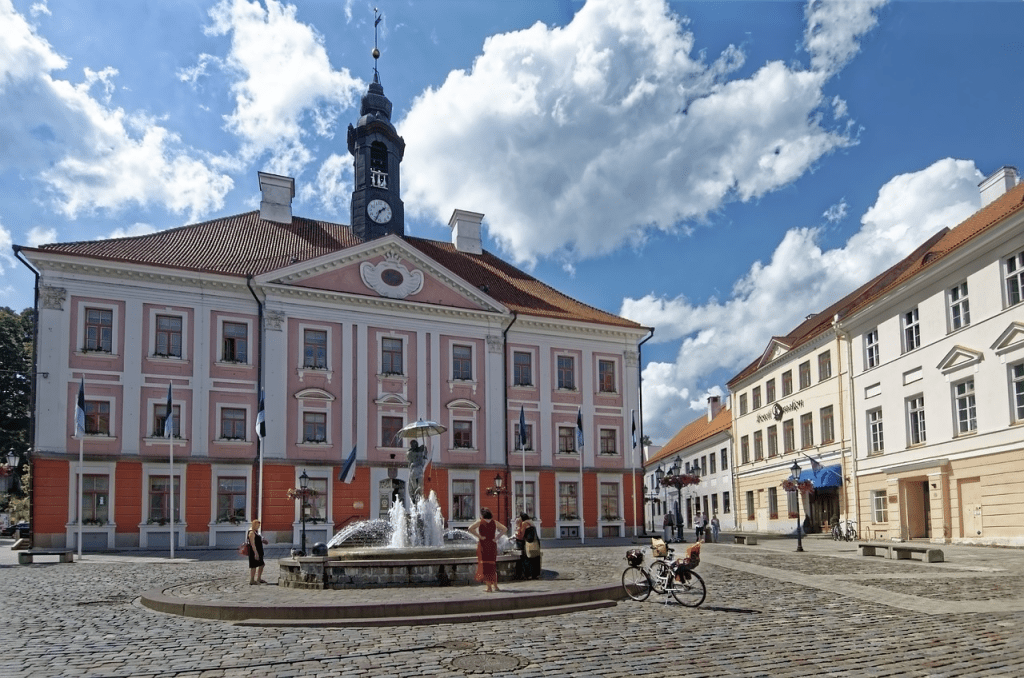
Tartu, Estonia
Tartu, Estonia’s second-largest city, is often overshadowed by the capital, Tallinn. However, Tartu boasts a rich history and a vibrant intellectual atmosphere, being home to the oldest university in the Baltic states.
The University of Tartu, founded in 1632 by King Gustavus Adolphus of Sweden, is the city’s beating heart. The university’s historic main building, completed in 1809, is a neoclassical masterpiece. Tartu is also known for its innovative spirit, hosting numerous cultural festivals, scientific conferences, and artistic events throughout the year.
The city’s Old Town is a charming blend of cobblestone streets, colorful buildings, and historical landmarks. The Tartu Cathedral, a Gothic ruin dating back to the 13th century, is a must-visit. The cathedral’s ruins are now part of the University of Tartu Museum, which offers fascinating exhibitions on the history of the university and the city.
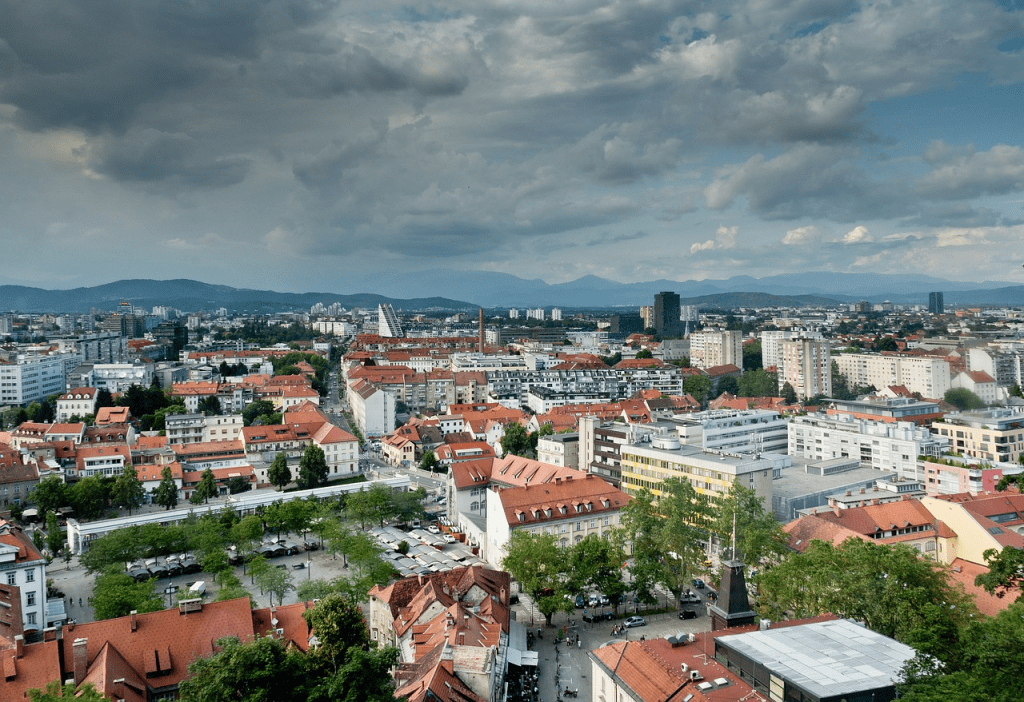
Ljubljana, Slovenia
Ljubljana, the capital of Slovenia, is a small but captivating city that often flies under the radar of tourists. Known for its green spaces, vibrant cultural scene, and friendly atmosphere, Ljubljana is a city that invites exploration.
The city’s most prominent landmark is Ljubljana Castle, which dates back to the 11th century. Perched atop Castle Hill, the castle offers stunning views of the city and the surrounding Julian Alps. The castle has been meticulously restored and now houses a museum, art exhibitions, and a restaurant.
Ljubljana’s Old Town is a delightful mix of Baroque and Art Nouveau architecture. The Triple Bridge, designed by the famous Slovenian architect Jože Plečnik, is a unique and elegant structure that connects the city’s medieval and modern parts. The Ljubljanica River, which flows through the heart of the city, is lined with lively cafes, restaurants, and market stalls.
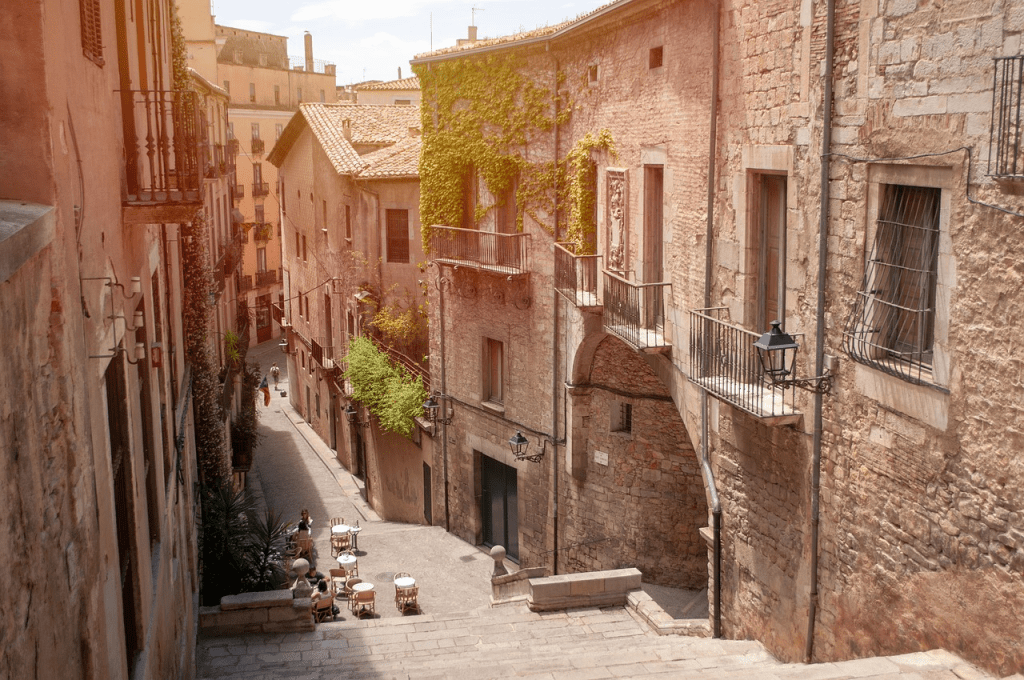
Girona, Spain
Located in the Catalonia region of Spain, Girona is a city steeped in history and culture. Its well-preserved medieval architecture, vibrant Jewish Quarter, and stunning cathedral make it a must-visit destination.
Girona’s Cathedral of Santa Maria, completed in the 18th century, boasts the widest Gothic nave in the world. The cathedral’s impressive façade and interior, featuring a magnificent Baroque altar and stunning stained glass windows, are truly awe-inspiring.
The city’s Jewish Quarter, known as El Call, is one of the best-preserved in Europe. Narrow, winding streets and ancient buildings create a maze-like atmosphere that transports visitors back to the Middle Ages. The Museum of Jewish History, housed in a former synagogue, offers fascinating insights into the history and culture of Girona’s Jewish community.
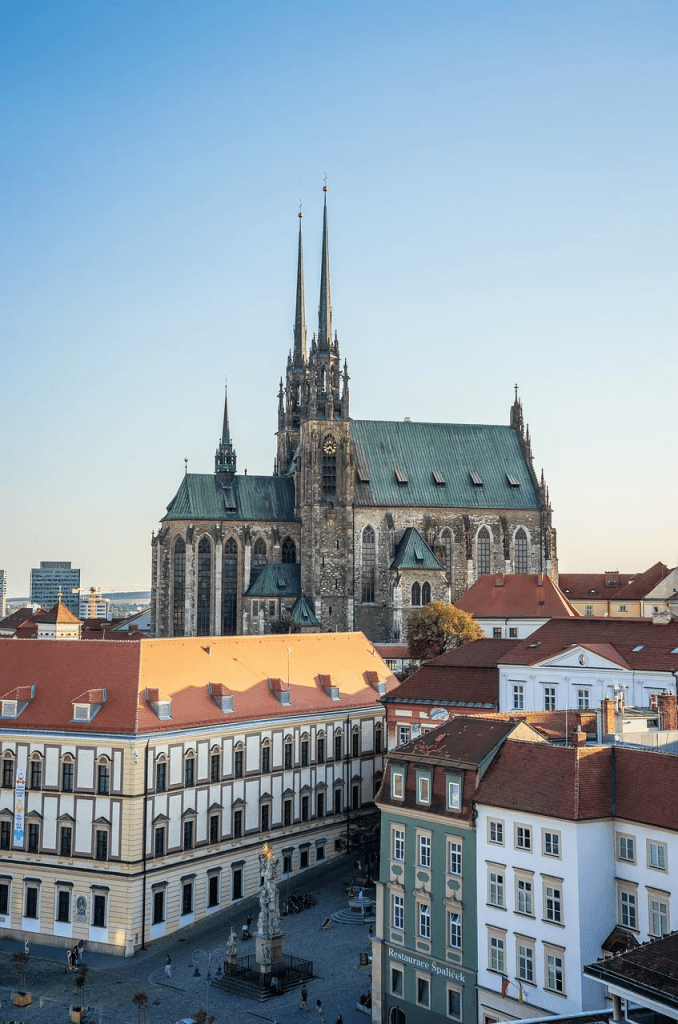
Brno, Czech Republic
Often overlooked in favor of Prague, Brno is a dynamic city with a rich history and a thriving cultural scene. As the capital of the South Moravian Region, Brno is home to impressive architecture, historic sites, and vibrant nightlife.
Špilberk Castle, built in the 13th century, is one of Brno’s most significant landmarks. Originally a royal castle, it was later transformed into a fortress and prison. Today, Špilberk Castle houses the Brno City Museum and offers panoramic views of the city from its ramparts.
The Cathedral of St. Peter and Paul, located on Petrov Hill, is another iconic site in Brno. The cathedral’s twin spires dominate the city’s skyline, and its interior features beautiful Baroque and Gothic elements. The crypt beneath the cathedral contains the remains of several important historical figures.
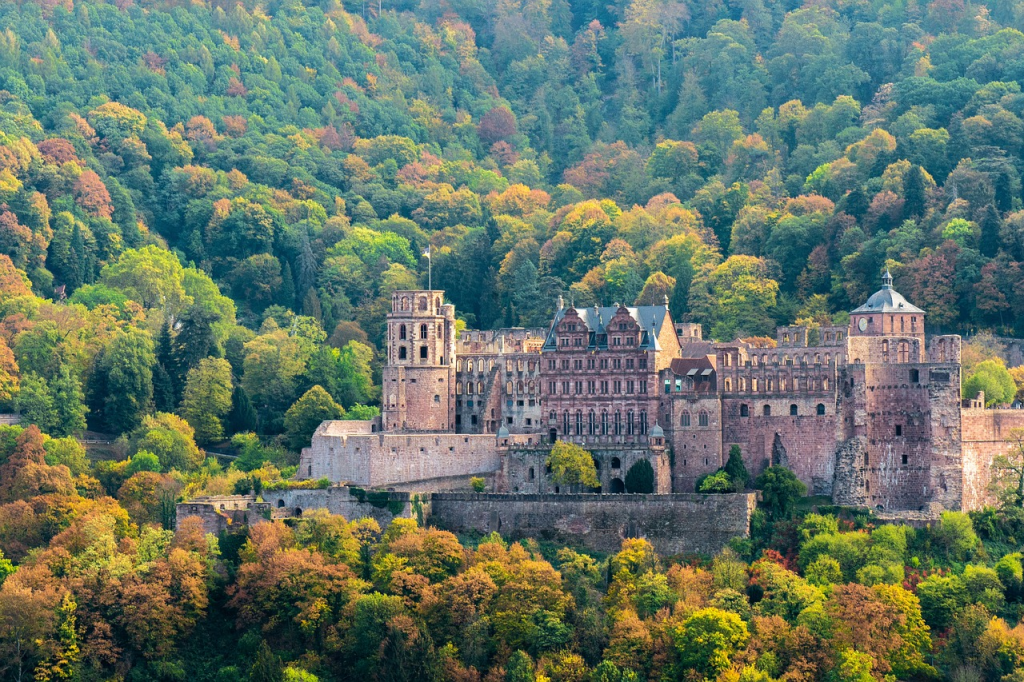
Heidelberg, Germany
Heidelberg, located in the southwestern region of Germany, is renowned for its romantic scenery, historic architecture, and prestigious university. The city’s picturesque setting along the Neckar River has inspired poets, artists, and scholars for centuries.
Heidelberg Castle, a stunning example of Renaissance architecture, is perched on a hill overlooking the city. The castle, originally constructed in the 13th century, has been partially restored and offers a fascinating glimpse into Germany’s medieval past. The castle’s Great Vat, the world’s largest wine barrel, is a popular attraction.
The University of Heidelberg, founded in 1386, is Germany’s oldest university and has a distinguished history of academic excellence. The university’s historic buildings, including the Old University and the Student Prison, are well worth a visit.
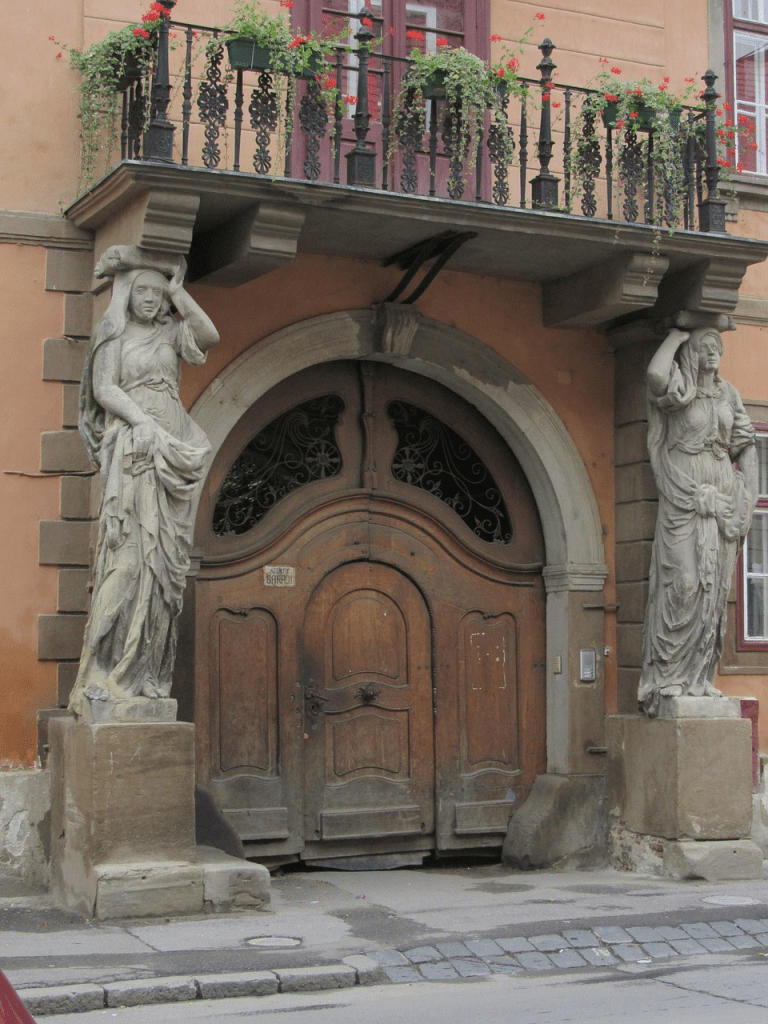
Sibiu, Romania
Sibiu, located in the Transylvania region of Romania, is a city of medieval charm and cultural richness. Designated as the European Capital of Culture in 2007, Sibiu is known for its well-preserved architecture, vibrant arts scene, and scenic beauty.
The Large Square (Piața Mare) is the heart of Sibiu’s historic center, surrounded by beautiful Baroque buildings and historic landmarks. The Brukenthal National Museum, housed in the Brukenthal Palace, showcases an impressive collection of European art.
Sibiu’s Lutheran Cathedral, with its towering spire and Gothic architecture, is a must-see. The cathedral’s interior features stunning frescoes and a massive organ, while the church tower offers panoramic views of the city.
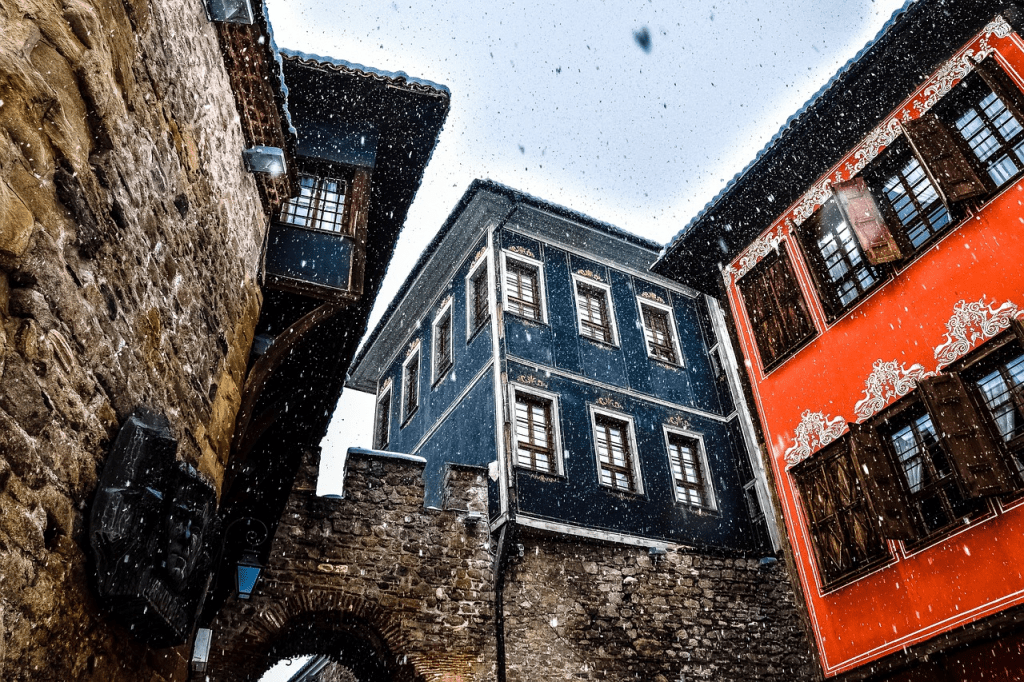
Plovdiv, Bulgaria
Plovdiv, one of the oldest continuously inhabited cities in Europe, is a city of ancient ruins, vibrant culture, and stunning landscapes. Located in southern Bulgaria, Plovdiv’s history dates back over 6,000 years.
The city’s most famous landmark is the Ancient Theatre of Philippopolis, built in the 1st century AD during the reign of Emperor Domitian. The theatre, which once seated up to 7,000 spectators, is remarkably well-preserved and still hosts performances today.
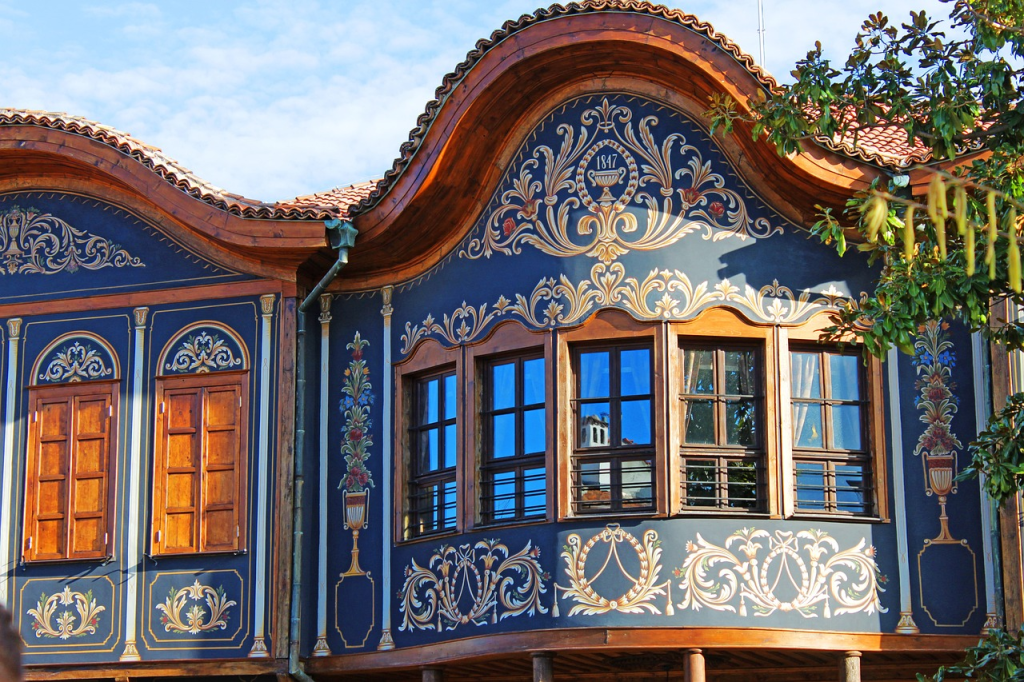
Plovdiv’s Old Town is a maze of cobblestone streets, colorful houses, and historic buildings. The Roman Stadium, the Roman Forum, and the Balabanov House are just a few of the many attractions that make Plovdiv a captivating destination.
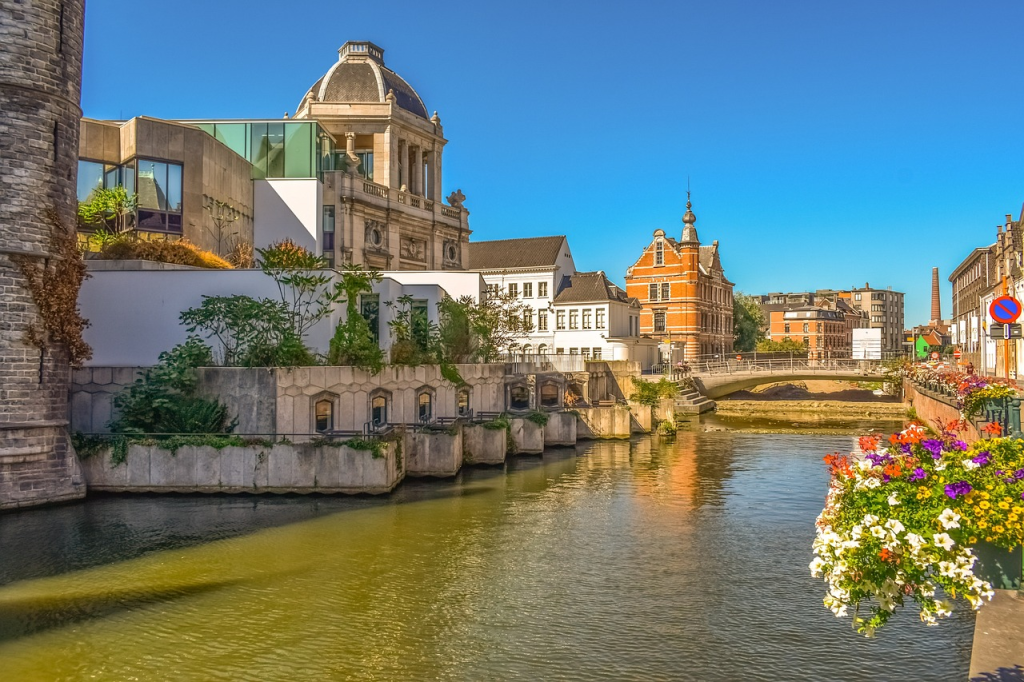
Europe’s lesser-known cities offer a wealth of history, culture, and unique experiences waiting to be discovered. From the medieval magic of Ghent and the maritime heritage of Bergen to the ancient caves of Matera and the vibrant streets of Tartu, each city has its own story to tell. Exploring these hidden gems allows travelers to step off the beaten path and immerse themselves in the rich tapestry of Europe’s diverse heritage. Whether you are a history buff, an architecture enthusiast, or a curious traveler, these cities promise unforgettable adventures and lasting memories.
What’s your favorite lesser-known town? Let me know in the comments or on my Facebook Group: Explore With Kelsey!
 Lipsticks and Backpacks