
Holland, a region often mistakenly referred to as the entire country of the Netherlands, is a place rich in history, culture, and natural beauty. Whether you’re planning a visit or just curious about this fascinating region, here are ten key things to know about Holland.
1. Holland vs. The Netherlands: A Common Misconception
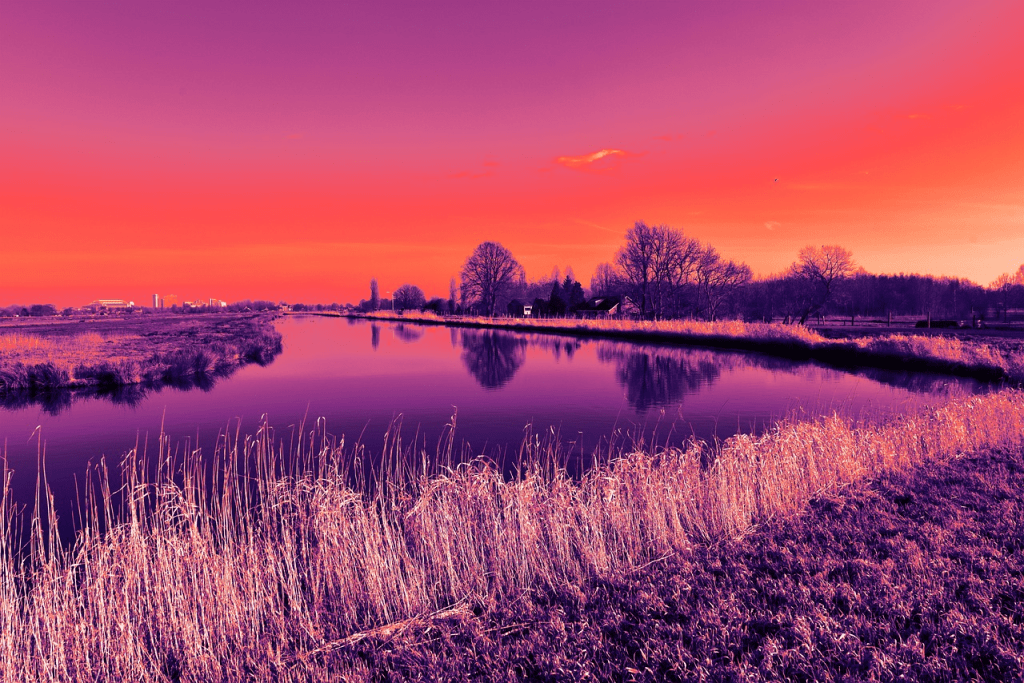
One of the most common misconceptions is that Holland and the Netherlands are synonymous. In reality, Holland refers to two provinces—North Holland and South Holland—within the Netherlands. While these provinces are economically and politically significant, the Netherlands comprises 12 provinces in total. However, due to the prominence of cities like Amsterdam, Rotterdam, and The Hague, the term “Holland” is often used to represent the entire country.
Join My Facebook Group To Share Your Travel Photos and Get Travel Advice!
2. A Rich Maritime History
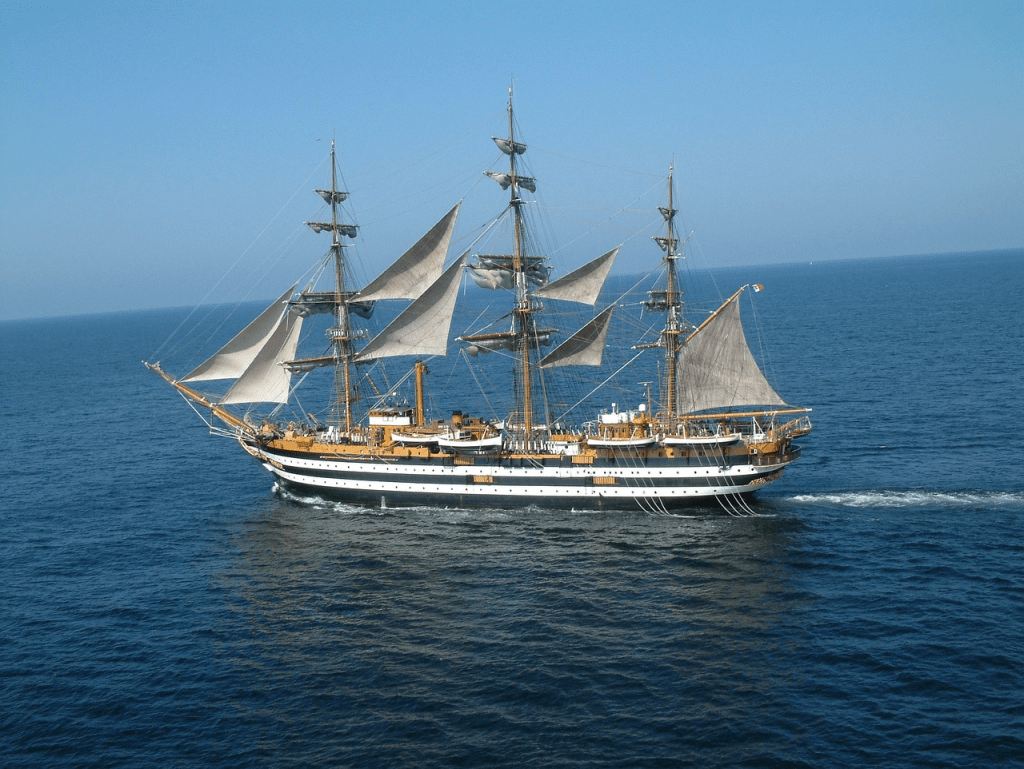
Holland’s history is deeply intertwined with the sea. The region has been a major maritime power since the 17th century, a period known as the Dutch Golden Age. During this time, Dutch explorers and traders established a vast trading network, bringing wealth and cultural exchange to the region. The Dutch East India Company, one of the world’s first multinational corporations, played a crucial role in this era, dominating spice trade routes and establishing colonies around the world.
Want to see more gorgeous places around the world? Check out my YouTube channel, Explore With Kelsey
3. Iconic Windmills
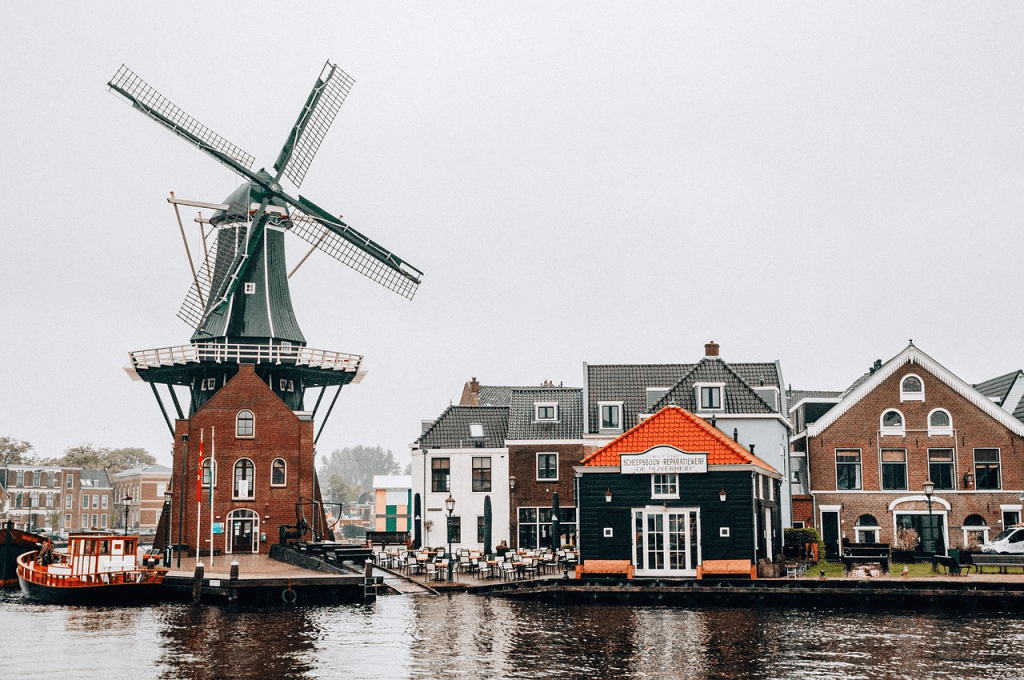
No image of Holland is complete without the iconic windmills. These structures have been used for centuries to manage water levels, grind grain, and perform other essential tasks. The most famous collection of windmills can be found at Kinderdijk, a UNESCO World Heritage site. Visitors can explore the well-preserved windmills and learn about their historical significance and engineering.
4. Tulips and Flower Fields
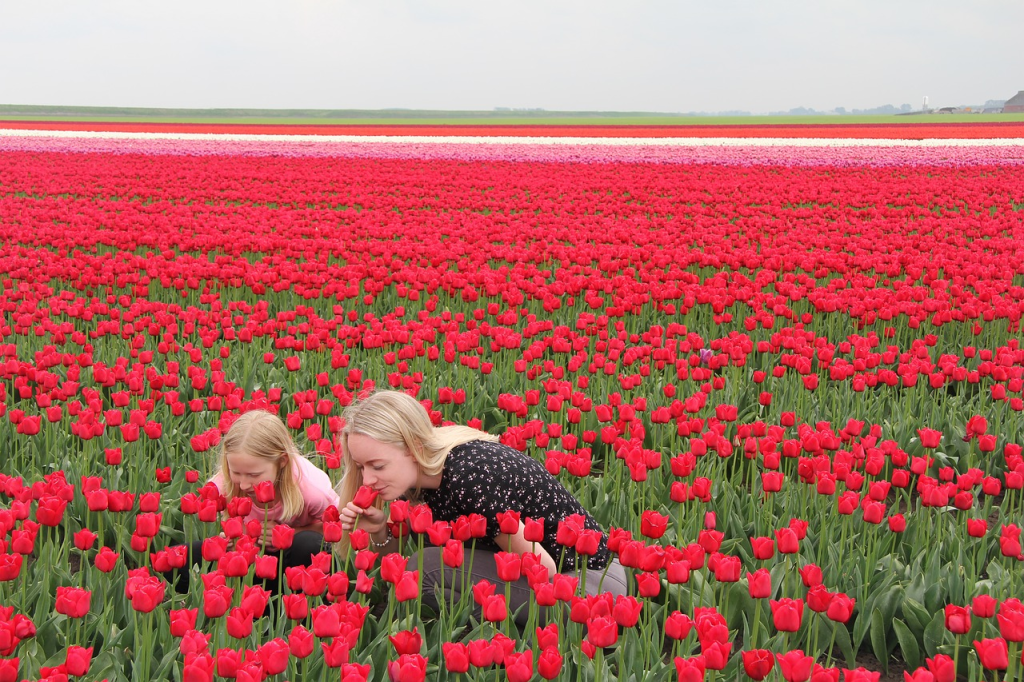
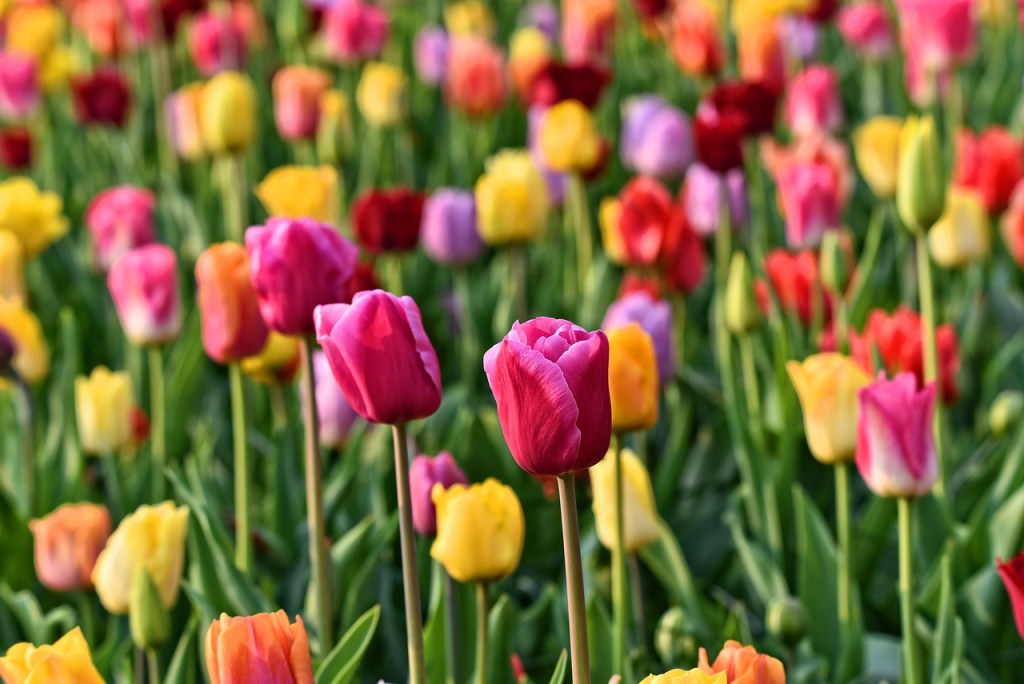
Holland is world-renowned for its stunning tulip fields, which burst into vibrant color every spring. The Keukenhof, located in Lisse, is one of the largest flower gardens in the world and showcases an incredible array of tulips, daffodils, and hyacinths. The Dutch have been cultivating tulips since the 16th century, and the flower has become a symbol of the country. The annual tulip season draws visitors from around the globe to witness the breathtaking floral displays.

5. Cycling Culture
Holland is a cyclist’s paradise, with flat terrain, well-maintained bike paths, and a strong cycling culture. Bicycles are a common mode of transportation, and it’s estimated that there are more bikes than people in the country. The Dutch prioritize cycling for its environmental benefits and health advantages. Visitors can easily rent bikes and explore the scenic countryside, picturesque villages, and bustling cities.

6. Cultural and Artistic Heritage
Holland has a rich cultural and artistic heritage. It is the birthplace of renowned artists such as Vincent van Gogh, Rembrandt van Rijn, and Johannes Vermeer. The country boasts world-class museums, including the Rijksmuseum and the Van Gogh Museum in Amsterdam, which house masterpieces from these artists and more. The Dutch Masters have left an indelible mark on the art world, and their works continue to inspire and captivate audiences.
7. A Diverse Culinary Scene
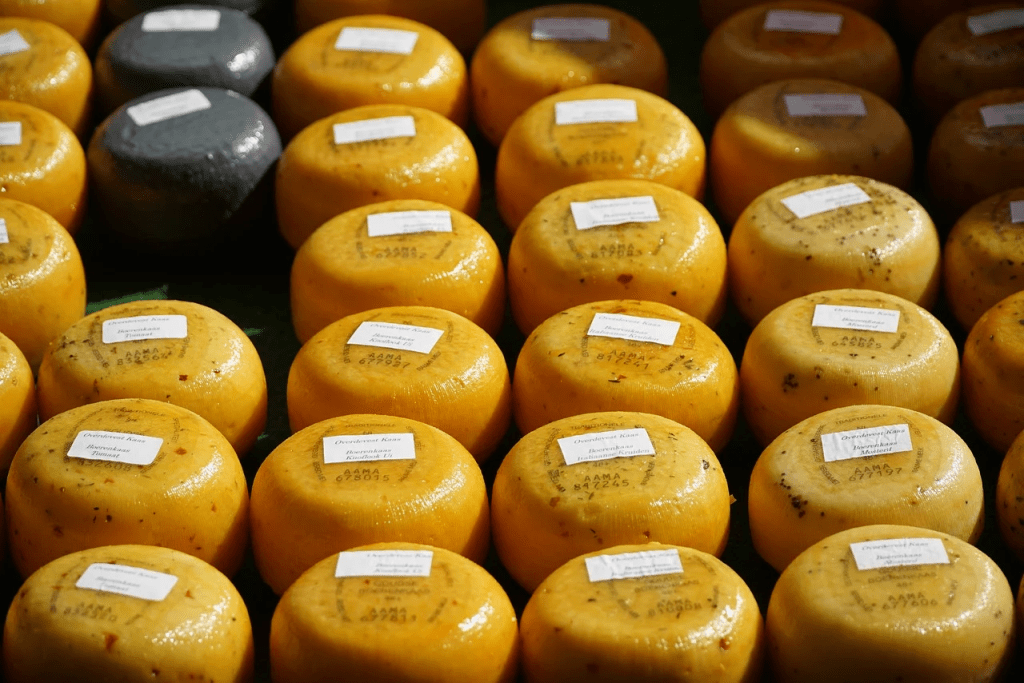
The Dutch cuisine is diverse and flavorful, influenced by the country’s history of exploration and trade. Traditional dishes include stroopwafels (thin waffles filled with caramel syrup), herring, bitterballen (deep-fried meatballs), and poffertjes (small fluffy pancakes). Holland is also famous for its cheese, particularly Gouda and Edam. The Dutch take pride in their cheese-making traditions, and visitors can sample a wide variety at local markets and cheese shops.
8. Progressive Social Policies
Holland is known for its progressive social policies, which have made it a leader in human rights and social welfare. The country was the first to legalize same-sex marriage in 2001, and it has comprehensive healthcare and education systems. The Dutch approach to social issues is characterized by tolerance and pragmatism, fostering an inclusive and open-minded society.

9. Water Management Expertise
Much of Holland is below sea level, making water management a critical aspect of life. The Dutch have developed innovative techniques to protect their land from flooding, including a vast network of dikes, dams, and sluices. The Delta Works, a series of construction projects in the southwestern Netherlands, is one of the most impressive feats of engineering in the world. This system of barriers and locks is designed to protect the country from the North Sea’s storm surges.
10. Vibrant Festivals and Traditions
Holland hosts a variety of vibrant festivals and traditions throughout the year. King’s Day, celebrated on April 27th, is one of the most popular national holidays. On this day, the Dutch dress in orange, the color of the royal family, and participate in street parties, parades, and flea markets. Another significant event is Sinterklaas, a Dutch holiday celebrated on December 5th. It involves the arrival of Sinterklaas (Saint Nicholas) and his helpers, who distribute gifts to children.
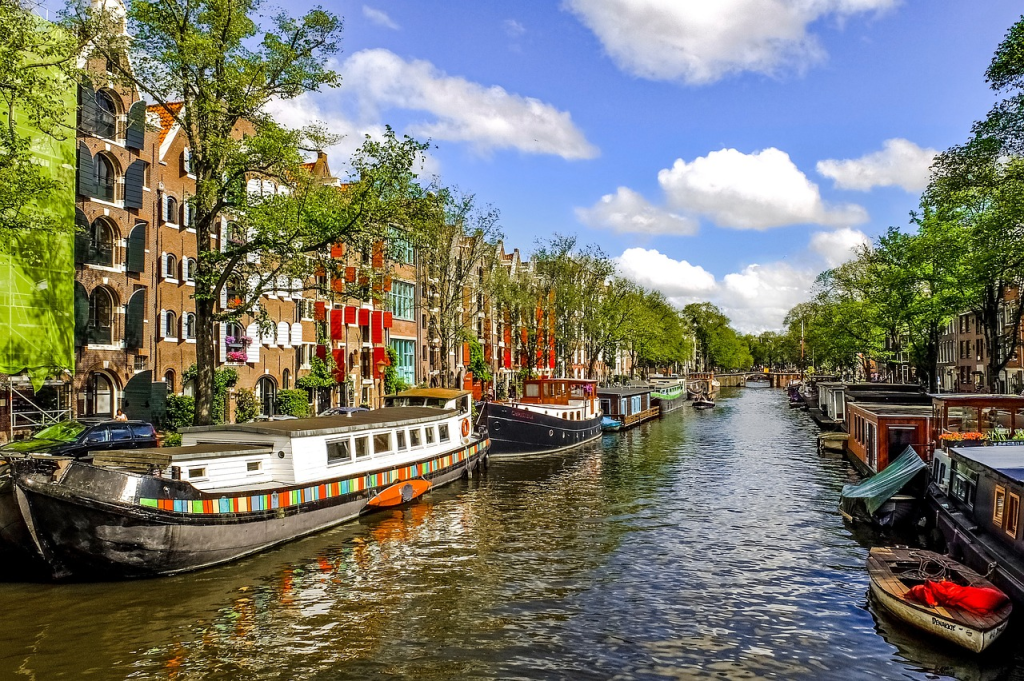
Holland is a region of contrasts and surprises, offering a blend of history, culture, and natural beauty. Whether you’re interested in art, history, outdoor activities, or simply soaking in the local atmosphere, Holland has something for everyone. Its rich maritime history, iconic windmills, vibrant tulip fields, and progressive social policies make it a unique and fascinating place to explore. Understanding these ten aspects will give you a deeper appreciation of what Holland has to offer, whether you’re planning a visit or simply want to learn more about this remarkable region.

What’s your favorite part of Holland? Let me know in the comments or on my Facebook Group: Explore With Kelsey!
 Lipsticks and Backpacks