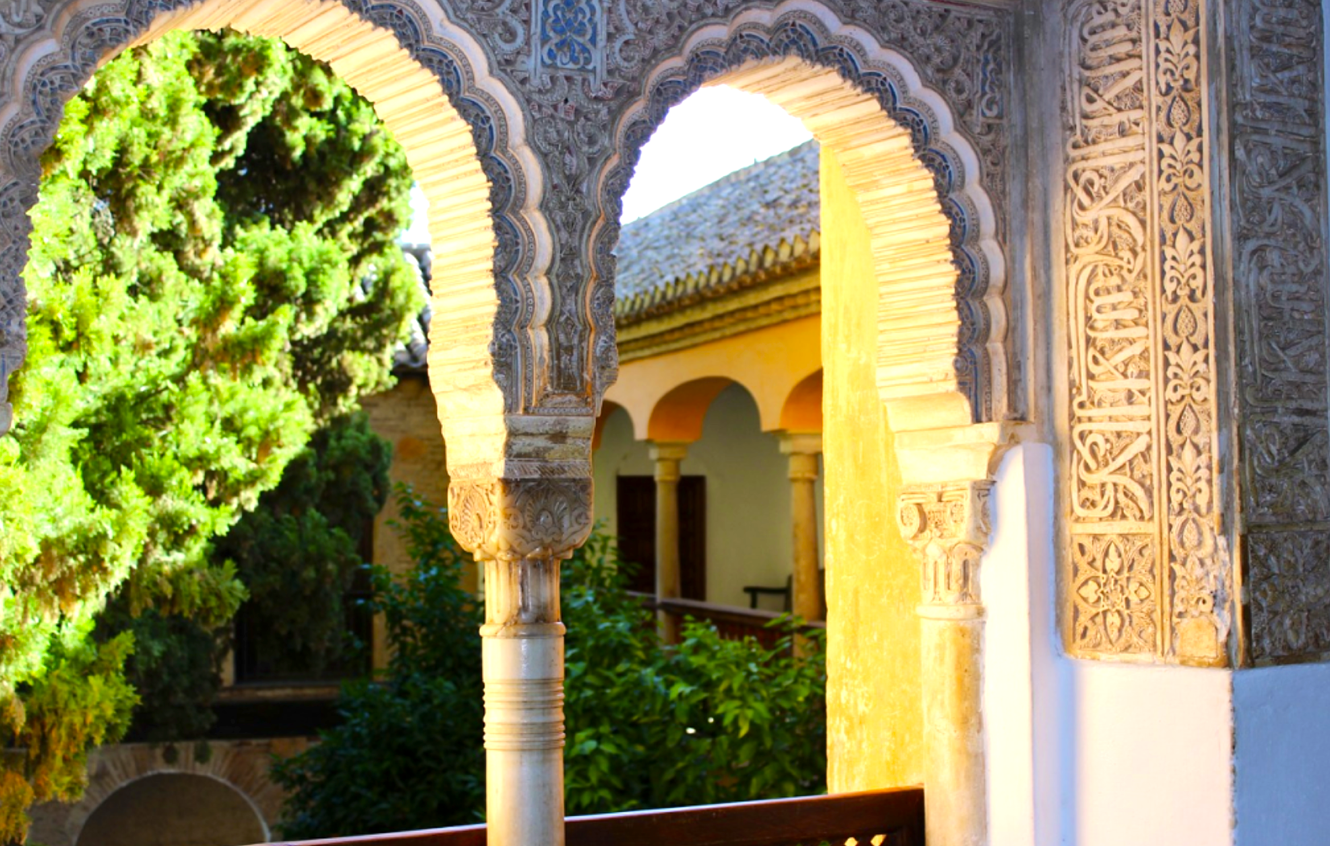
Andalusia, located in the southern part of Spain, is a region steeped in history, culture, and natural beauty. Known for its vibrant flamenco music, stunning architecture, and rich Moorish heritage, Andalusia offers travelers a diverse range of experiences. From the majestic Alhambra in Granada to the sun-soaked beaches of the Costa del Sol, here are the top destinations in Andalusia, each with its own unique historical significance.
DISCOVER LIVE VIRTUAL TOURS with Explore with Kelsey (Me!), Over 100 Destinations
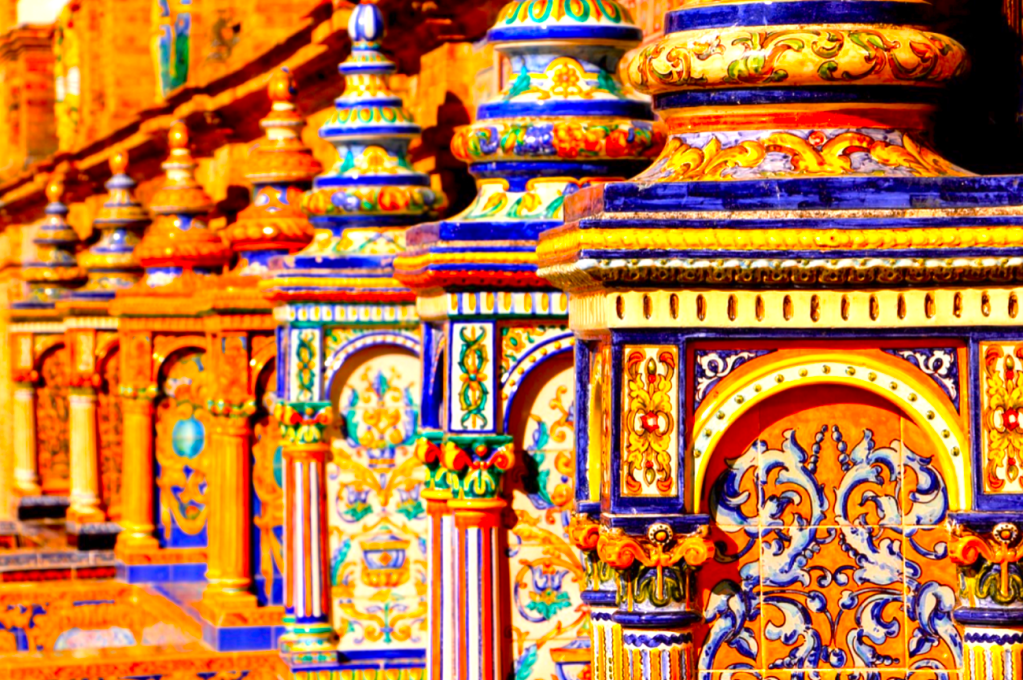
1. Seville
Seville, the capital of Andalusia, is a city that embodies the essence of Spanish culture. Its rich history dates back to Roman times, and it became a major cultural center during the Moorish period. The city’s most iconic landmark is the Seville Cathedral, the largest Gothic cathedral in the world. Completed in 1507, it houses the tomb of Christopher Columbus.
Adjacent to the cathedral is the Giralda Tower, originally built as a minaret during the Almohad dynasty in the 12th century and later converted into a bell tower. Another must-see is the Alcázar of Seville, a royal palace originally developed by Moorish Muslim kings, showcasing a stunning blend of Mudéjar, Gothic, Renaissance, and Baroque architecture. The palace was declared a UNESCO World Heritage Site in 1987.
Join My Facebook Group To Share Your Travel Photos and Get Travel Advice!
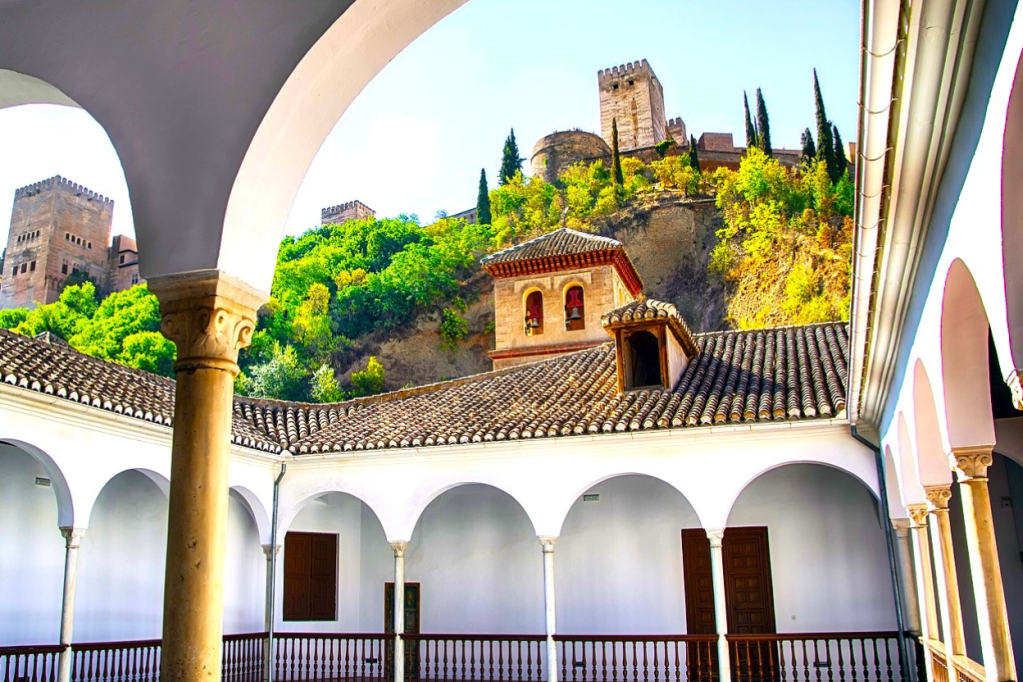
2. Granada
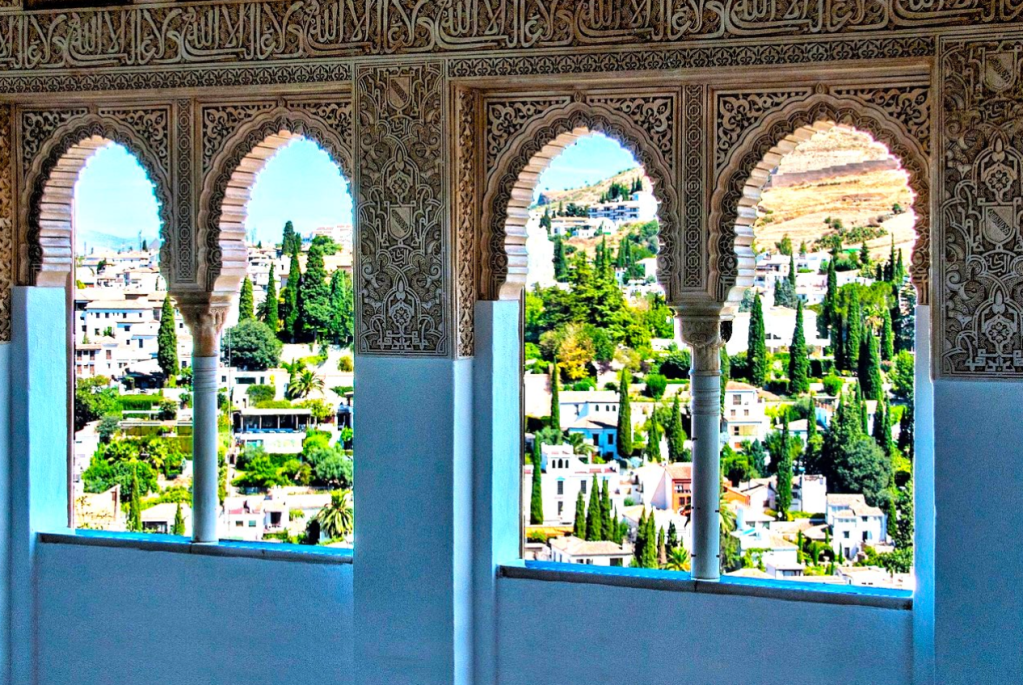
Granada is home to one of the most magnificent monuments of Islamic architecture: the Alhambra. This palace and fortress complex, originally constructed in 889 AD on the remains of Roman fortifications, was rebuilt in the mid-13th century by the Nasrid emir Mohammed ben Al-Ahmar. The Alhambra’s intricate stucco work, serene courtyards, and lush gardens reflect the zenith of Moorish art and architecture.
The Generalife Gardens, located adjacent to the Alhambra, were built in the 13th century as the summer palace for the Nasrid rulers. Another highlight is the Granada Cathedral, a masterpiece of Spanish Renaissance architecture, construction of which began in 1523 under the direction of the architect Diego de Siloé.
Want to see more gorgeous places around the world? Check out my YouTube channel, Explore With Kelsey
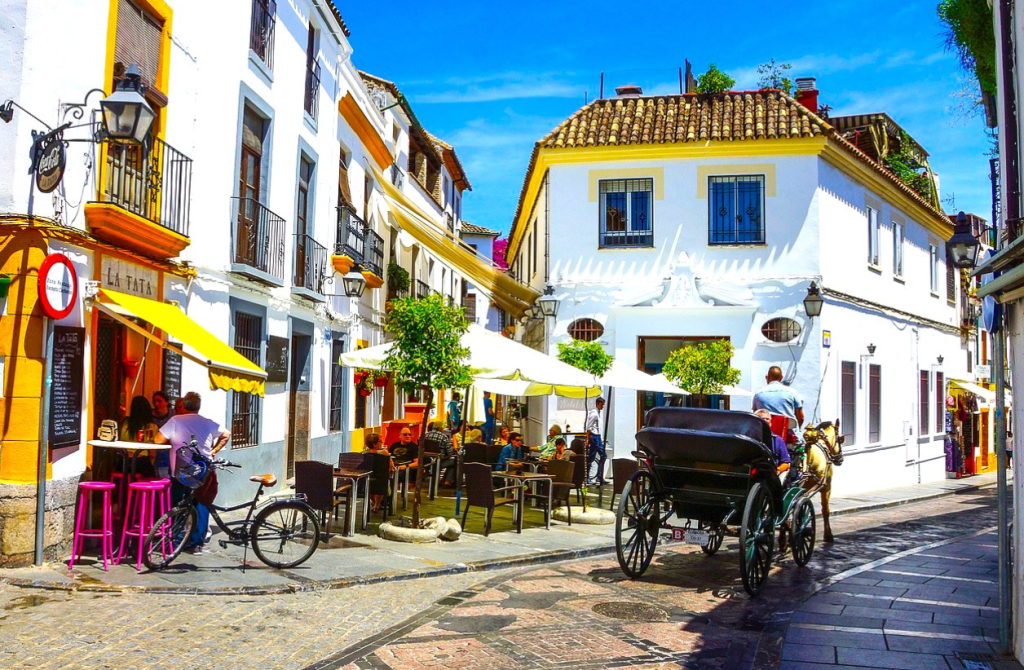
3. Córdoba
Córdoba is renowned for its Mezquita-Catedral, a former mosque that epitomizes the height of Moorish architecture in Spain. The mosque was begun in 784 AD under the reign of Abd al-Rahman I and was expanded multiple times over the following centuries. In the 16th century, a Renaissance cathedral nave was added into the center of the vast, hypostyle prayer hall.
The city’s historic center, a UNESCO World Heritage Site, also includes the Alcázar de los Reyes Cristianos, a medieval fortress that served as one of the primary residences of Isabella I of Castile and Ferdinand II of Aragon. Visitors can stroll through the Juderia, the old Jewish quarter with its narrow, winding streets and beautiful courtyards.
4. Málaga
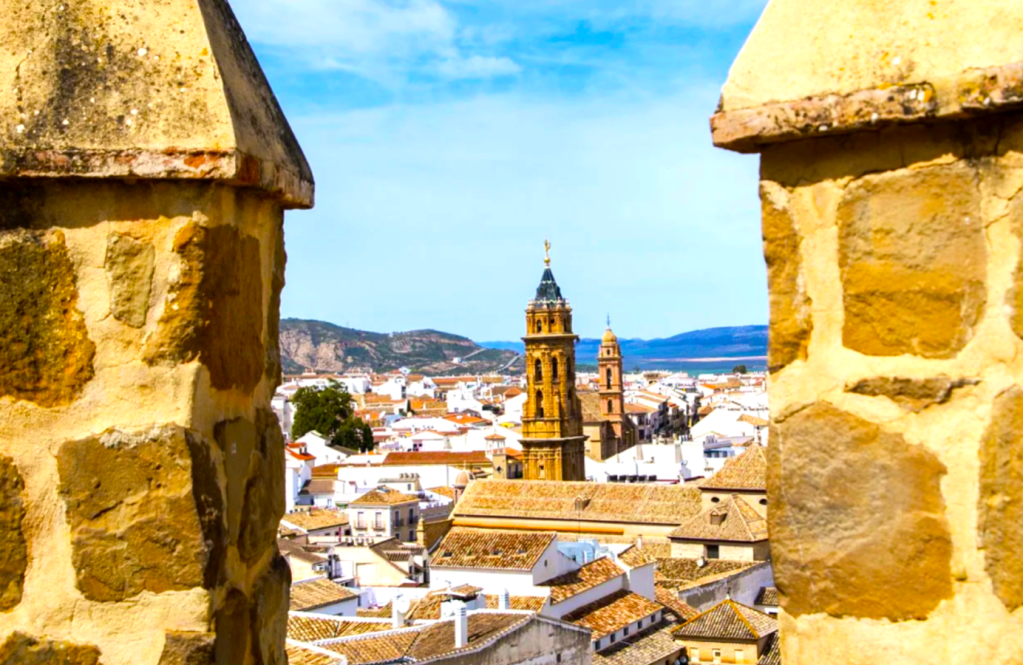
Málaga, one of the oldest cities in the world, was founded by the Phoenicians in the 8th century BC. The city’s rich history is reflected in its many ancient sites, including the Alcazaba, a palatial fortification built in the early 11th century during the Hammudid dynasty. Nearby, the Roman Theatre dates back to the 1st century BC and was rediscovered in 1951.
Málaga is also famous for being the birthplace of Pablo Picasso. The Picasso Museum, housed in the Buenavista Palace, features an extensive collection of his works. The city’s Cathedral, known as “La Manquita” (the one-armed lady) due to its unfinished second tower, is a stunning example of Renaissance architecture, begun in 1528 and completed in 1782.
5. Ronda
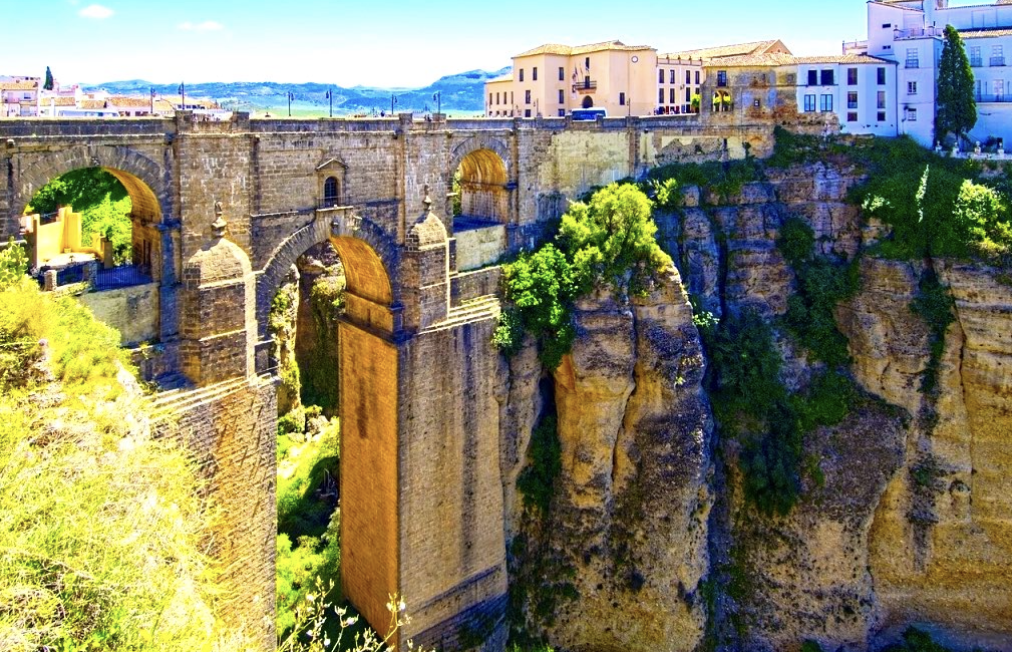
Ronda, perched on a plateau overlooking the El Tajo gorge, is one of the most picturesque towns in Andalusia. The town is famous for its dramatic views and the Puente Nuevo (New Bridge), which spans the gorge and connects the old Moorish town with the newer part of the city. Completed in 1793 after 40 years of construction, the bridge is a marvel of engineering.
Ronda’s Plaza de Toros, built in 1785, is one of the oldest bullrings in Spain and a significant landmark in the history of bullfighting. The town’s Arab Baths, dating back to the 13th century, are among the best-preserved Moorish baths in Spain.
6. Cádiz
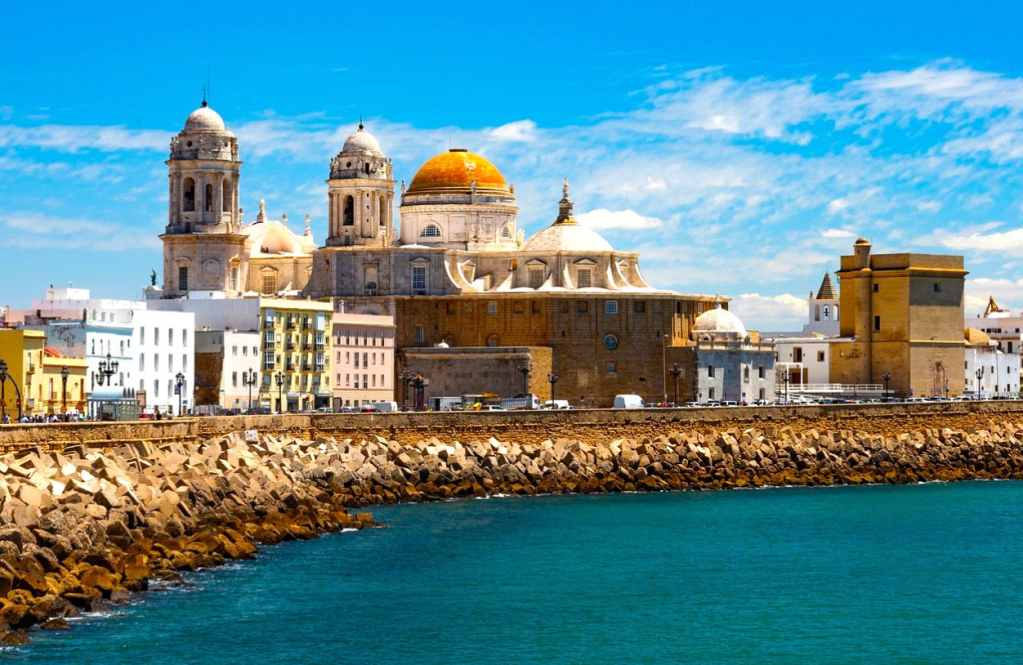
Cádiz, founded by the Phoenicians around 1104 BC, is considered the oldest continuously inhabited city in Western Europe. The city’s rich maritime history is evident in landmarks like the Torre Tavira, an 18th-century watchtower used to monitor ship traffic. The Cádiz Cathedral, with its golden dome, was completed in 1838 and offers panoramic views from its bell tower.
The city’s Plaza de San Juan de Dios and the Central Market are vibrant centers of local life, where visitors can experience the lively atmosphere and sample fresh seafood. Cádiz is also known for its annual Carnival, one of the most famous in Spain, featuring elaborate costumes, parades, and performances.
7. Marbella
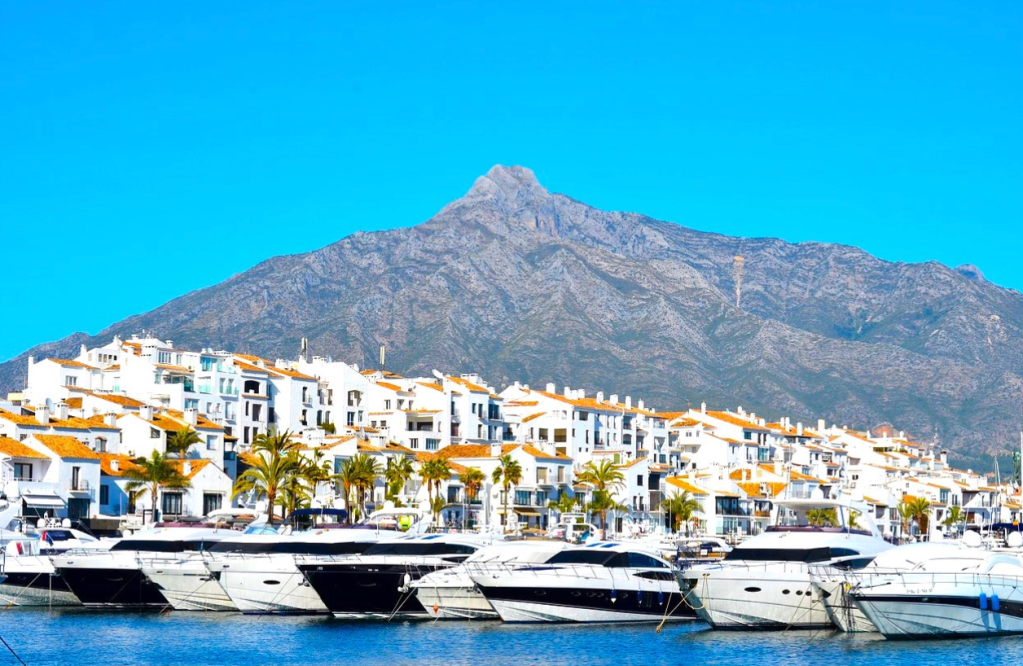
Marbella, located on the Costa del Sol, is famous for its glamorous resorts, beaches, and nightlife. However, it also has a charming old town, Casco Antiguo, with narrow streets, whitewashed buildings, and the beautiful Plaza de los Naranjos (Orange Square), dating back to 1485.
The city’s Alcazaba and the remains of the Moorish Castle are reminders of its Islamic past. Marbella’s Golden Mileis renowned for its luxury estates and hotels, including the famous Marbella Club Hotel, established by Prince Alfonso of Hohenlohe-Langenburg in 1954.
8. Jaén
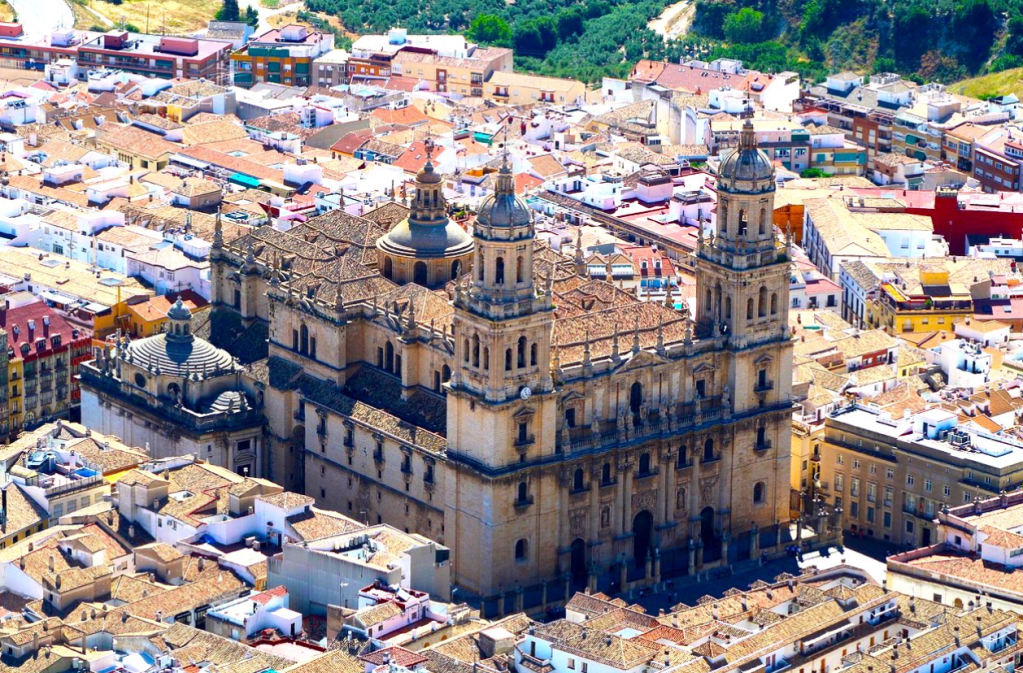
Jaén, located in eastern Andalusia, is renowned for its olive oil production and its stunning Renaissance architecture. The Jaén Cathedral, built between the 16th and 18th centuries, is dedicated to the Assumption of the Virgin Mary and features a mix of Gothic, Renaissance, and Baroque styles. Its imposing façade and towering bell tower dominate the city’s skyline.
The Arab Baths of Jaén, dating back to the 11th century, are among the best-preserved hammams in Spain and provide a glimpse into the region’s Moorish past. The Castle of Santa Catalina, perched on a hill overlooking the city, offers panoramic views and a glimpse into Jaén’s military history, dating back to the 8th century when it was built by the Moors.
Jaén’s historic center, with its narrow streets and traditional Andalusian architecture, invites visitors to explore its charming plazas and local markets. The city’s Museum of Arts and Popular Customs showcases the region’s cultural heritage, including displays of traditional crafts and artifacts.
Andalusia is a region where history comes alive through its stunning architecture, vibrant culture, and rich traditions. From the Moorish palaces and Christian cathedrals to the ancient fortresses and modern museums, each destination in Andalusia offers a unique glimpse into the past. Seville, Granada, Córdoba, Málaga, Ronda, Cádiz, and Marbella are just a few of the many treasures that await travelers in this enchanting region of Spain.
As visitors explore these top destinations, they will be captivated by the stories and legends that have shaped Andalusia over the centuries. Whether marveling at the intricate details of the Alhambra, strolling through the historic streets of Córdoba, or enjoying the lively atmosphere of a local festival, travelers will find themselves immersed in the magic of Andalusia’s rich heritage.

Did I miss a must-see? Let me know in the comments!
What aspects of Andalusia’s rich history and vibrant culture would you be most excited to explore on your visit? Let me know in the comments or on my Facebook Group: Explore With Kelsey!
 Lipsticks and Backpacks