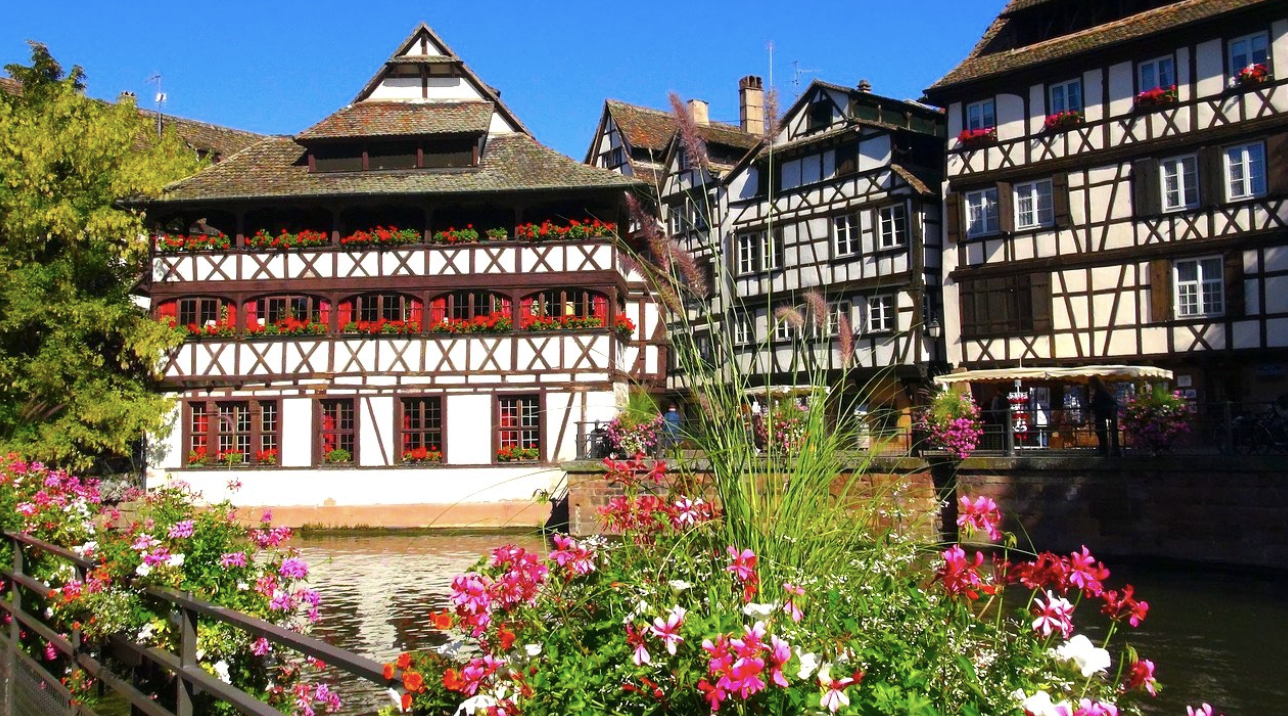
The Alsace region, nestled between France and Germany, has a rich and complex history marked by frequent shifts in national governance, which have profoundly influenced its cultural, linguistic, and culinary landscape. Historically, Alsace has oscillated between French and German control, notably during the Franco-Prussian War, World War I, and World War II, fostering a unique blend of both cultures in the region.
Interested in watching my live tours in over 100 countries? Click here!
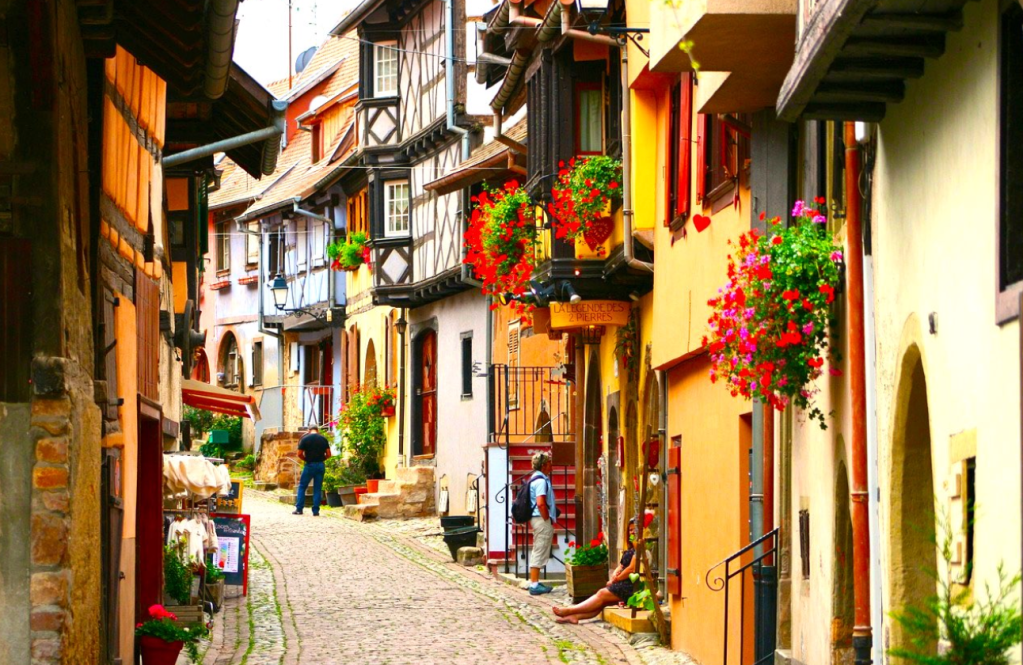
Linguistically, Alsace presents a fascinating case of bilingualism that reflects its complex history and cultural hybridity. The Alsatian dialect, a variant of High German, is spoken alongside French, the official language, creating a unique linguistic landscape. This duality serves as a testament to the region’s deep-rooted Germanic heritage and its political transitions, particularly its incorporation into France after the Treaty of Westphalia in 1648 and the Treaty of Versailles in 1919. The resilience of the Alsatian dialect, despite these changes, underscores the strong cultural identity of the region’s inhabitants. Today, there are concerted efforts to preserve and promote the Alsatian dialect through education and media. Local schools offer bilingual programs, and regional media outlets produce content in both French and Alsatian, ensuring that the dialect remains a living part of everyday life. These initiatives highlight Alsace’s commitment to celebrating and maintaining its unique linguistic heritage amidst a broader French national identity.
Join My Facebook Group To Share Your Travel Photos and Get Travel Advice!
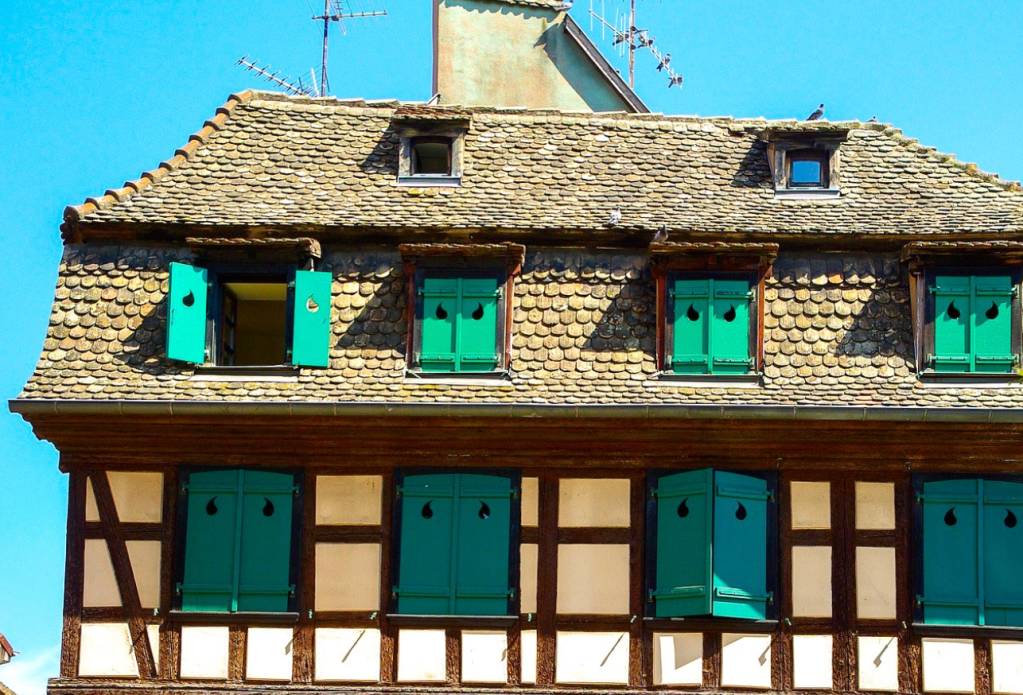
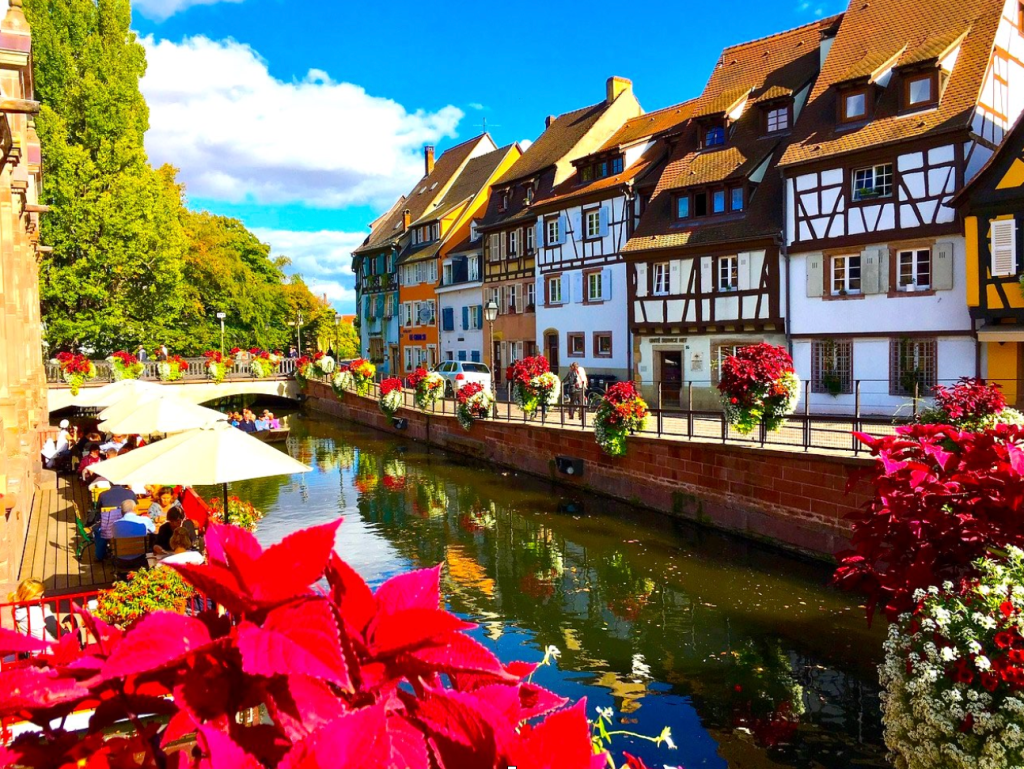
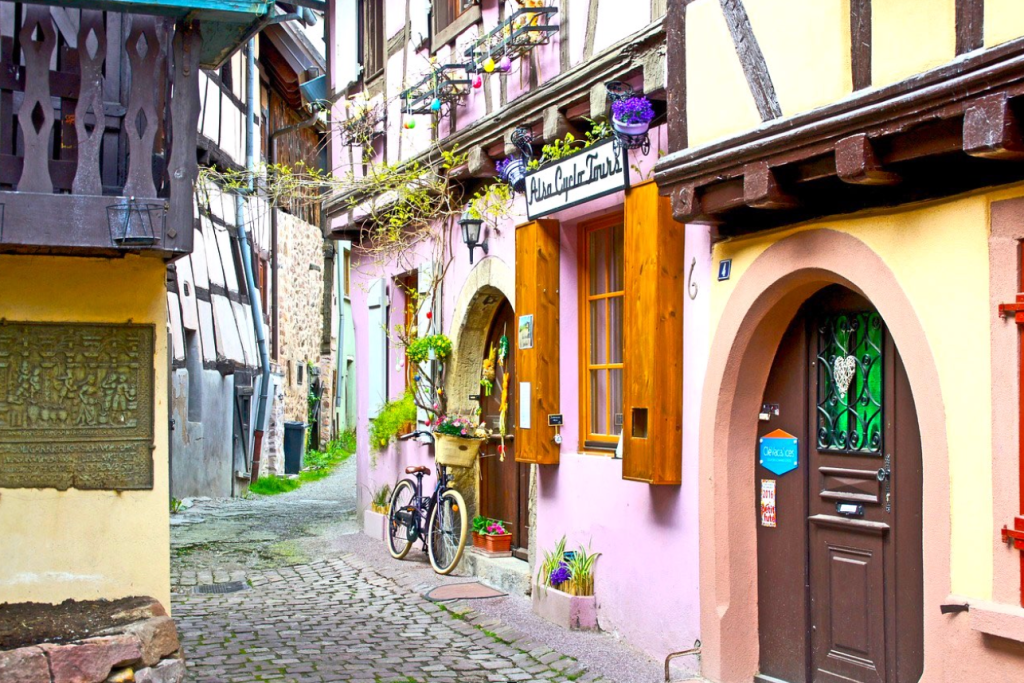
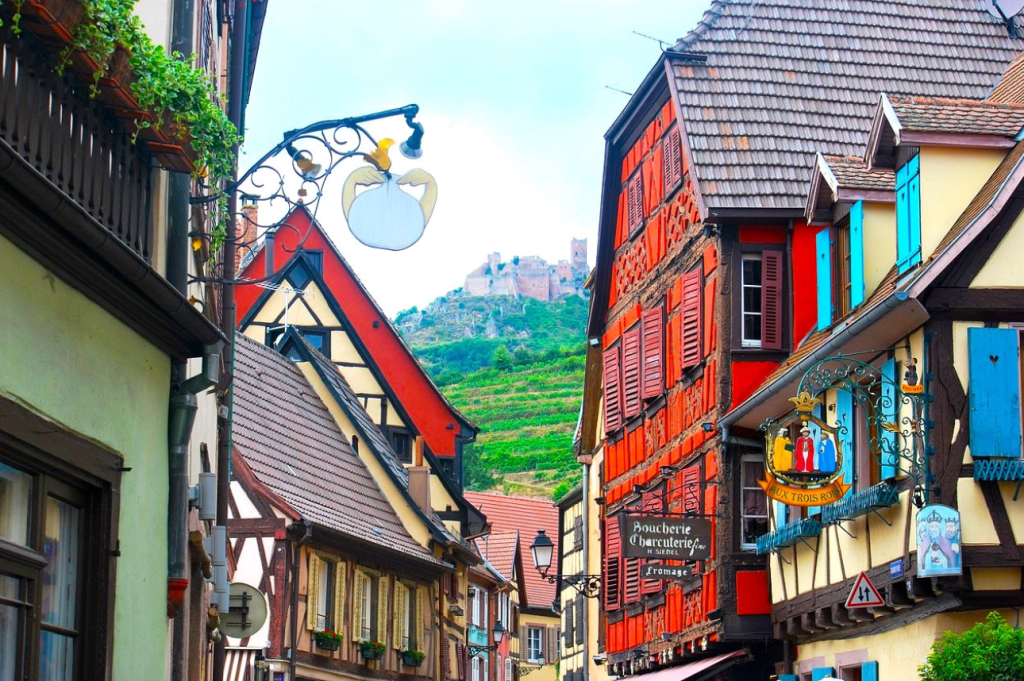
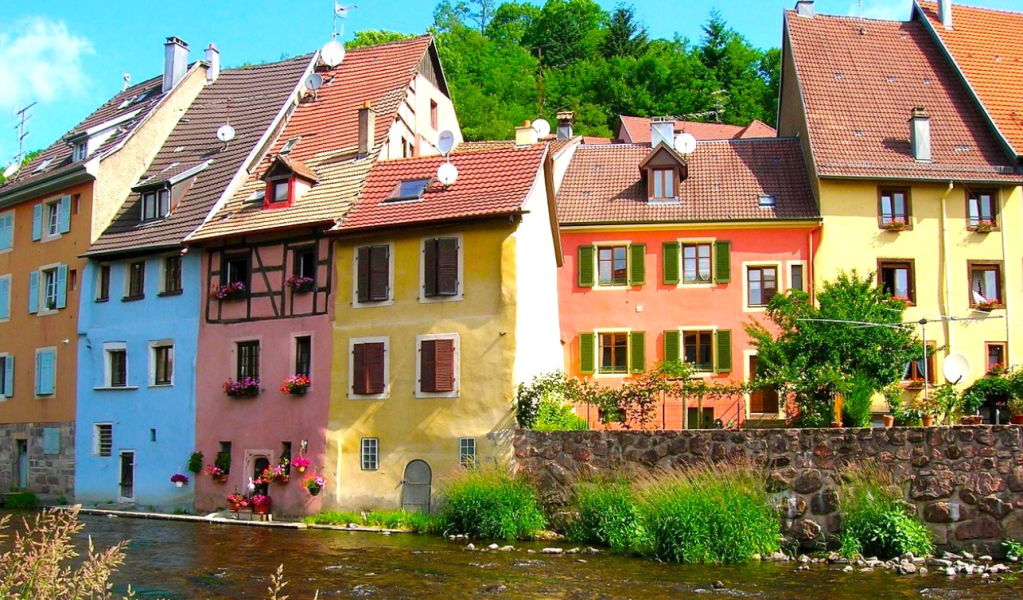
Culturally, Alsace embodies a synthesis of French and German traditions, creating a distinctive regional identity. This is vividly evident in its architecture, particularly the picturesque half-timbered houses that dot the landscape. These charming structures, reminiscent of German villages, feature intricate wooden frameworks filled with plaster or brick, often painted in vibrant colors. They reflect centuries-old building techniques and are commonly found in quaint towns such as Colmar and Strasbourg. The gabled roofs, ornate carvings, and flower-adorned windows add to their fairy-tale charm, making these houses a quintessential element of Alsace’s cultural heritage.
Want to see more gorgeous places around the world? Check out my YouTube channel, Explore With Kelsey
Alsace’s culinary traditions further illustrate this cultural fusion. The region is renowned for its wine, particularly Riesling and Gewürztraminer, and dishes like choucroute garnie (sauerkraut with sausages and pork) that echo German culinary influences. Flammekueche (tarte flambée), a thin crust topped with cream, onions, and bacon, represents a delightful marriage of French and German flavors.
Religiously, Alsace presents a diverse heritage that blends Catholic and Protestant traditions. This duality is a legacy of the region’s complex history of religious shifts and coexistence. Magnificent cathedrals and quaint churches from both denominations dot the landscape, reflecting the region’s rich spiritual tapestry. The coexistence of these traditions is a symbol of Alsace’s broader cultural synthesis, illustrating how diverse influences have harmoniously blended to create a unique regional identity. This cultural richness makes Alsace a fascinating and vibrant region, celebrated for its historical depth and the harmonious coexistence of French and German elements.
The significance of Alsace lies not only in its historical and cultural amalgamation but also in its role as a bridge between France and Germany, fostering cross-cultural understanding and cooperation. This unique region, with its rich heritage and traditions, continues to celebrate and preserve its dual identity, making it a vibrant symbol of European unity.
What aspects of Alsace’s unique blend of French and German culture intrigue you the most, and which part of this fascinating region would you love to explore first? Let me know in the comments or on my Facebook Group: Explore With Kelsey.
 Lipsticks and Backpacks