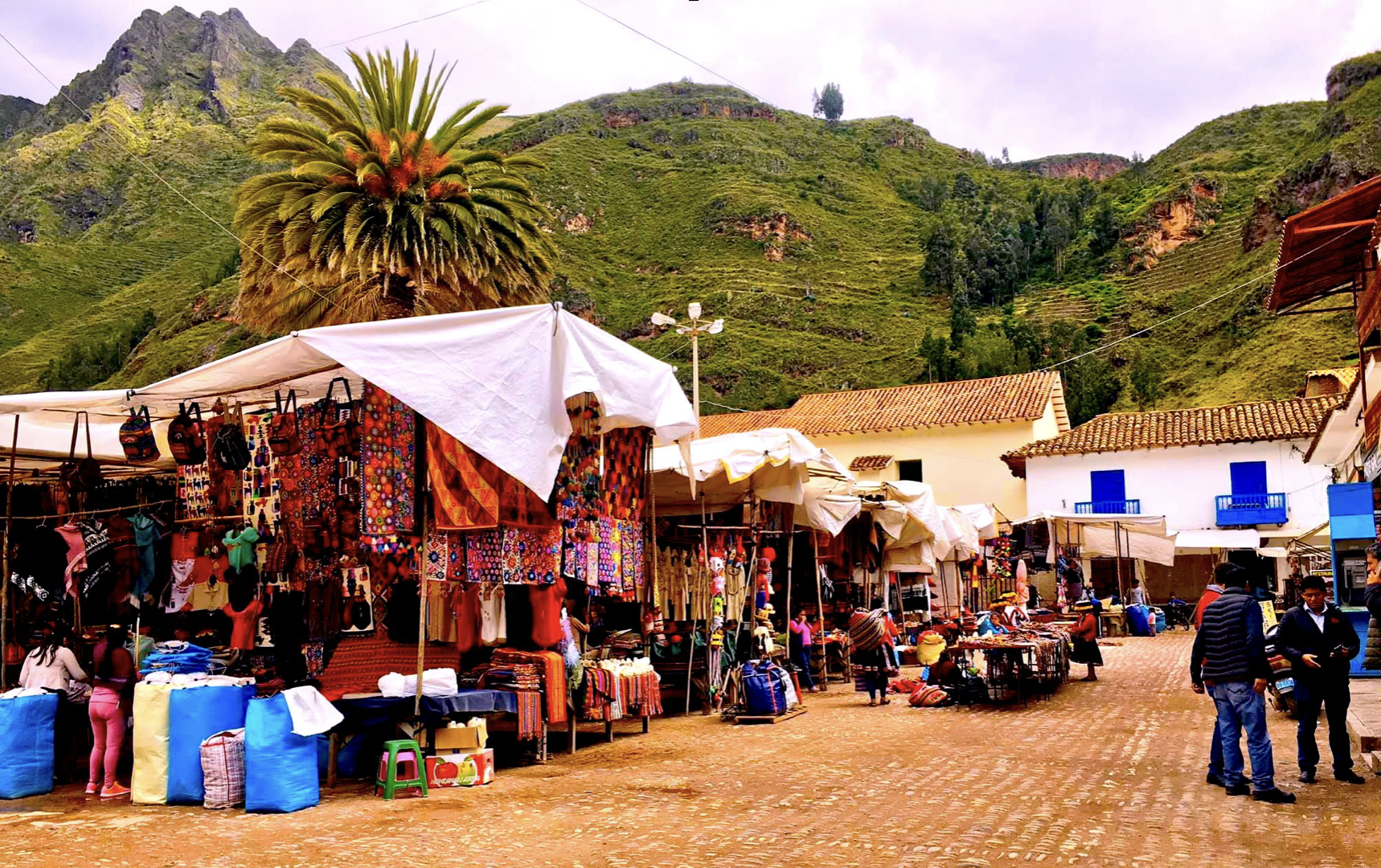

Pisac, Peru, is a gem in the Sacred Valley, offering visitors a unique blend of history, culture, and vibrant local life. This charming town is not only known for its ancient Inca ruins but also for its bustling market and rich Quechua heritage. Whether you’re an avid history buff, a cultural enthusiast, or simply looking for an authentic Peruvian experience, Pisac has something for everyone. Here are three must-experience highlights when visiting Pisac:
Interested in watching my live tours in over 100 countries? Click here!
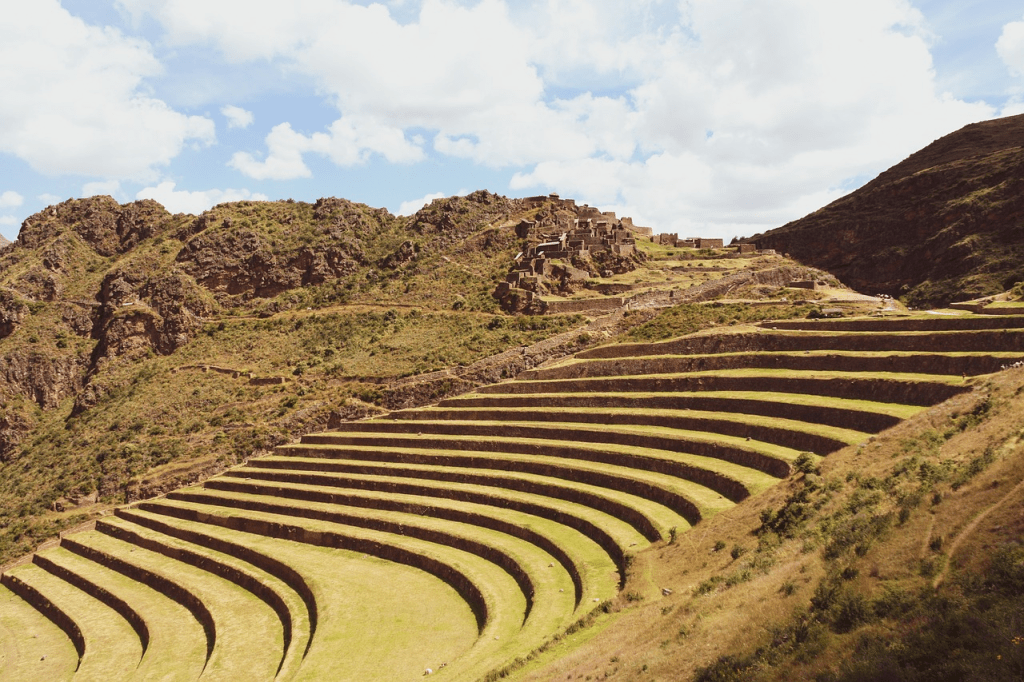
Ancient Inca Ruins: Pisac is home to one of the most impressive Inca archaeological sites in the Sacred Valley. Perched high on a hillside, these ruins offer a stunning example of Inca engineering and architecture. The site includes extensive agricultural terraces, meticulously carved into the mountainside, which were used to grow crops such as maize and potatoes. These terraces not only provided food but also helped prevent soil erosion and manage water resources efficiently.
The ruins also feature sophisticated water channels that were used for irrigation, showcasing the Inca’s advanced understanding of hydraulics. These channels ensured that crops received a steady supply of water, crucial for agriculture in the Andean environment.
Central to the site is a complex of religious temples, including the Temple of the Sun, which is thought to have been used for astronomical observations and religious ceremonies. This temple, with its finely cut stones and strategic positioning, highlights the Incas’ skill in construction and their deep connection to celestial events.
The ceremonial center includes various altars and ritual baths, reflecting the spiritual significance of the site. Exploring these ruins, visitors can get a sense of the daily life, religious practices, and agricultural ingenuity of the Inca civilization. The panoramic views of the Sacred Valley from the ruins add to the awe-inspiring experience, making Pisac a must-visit destination for anyone interested in the rich history and culture of the Incas.
Join My Facebook Group To Share Your Travel Photos and Get Travel Advice!

Pisac Market: The town of Pisac is renowned for its vibrant and bustling market, which is a major attraction for both locals and tourists. Held daily but reaching its peak on Sundays, the market is a colorful spectacle that sprawls across the main square and surrounding streets. It’s a lively hub where you can immerse yourself in the rich culture and traditions of the Andes.
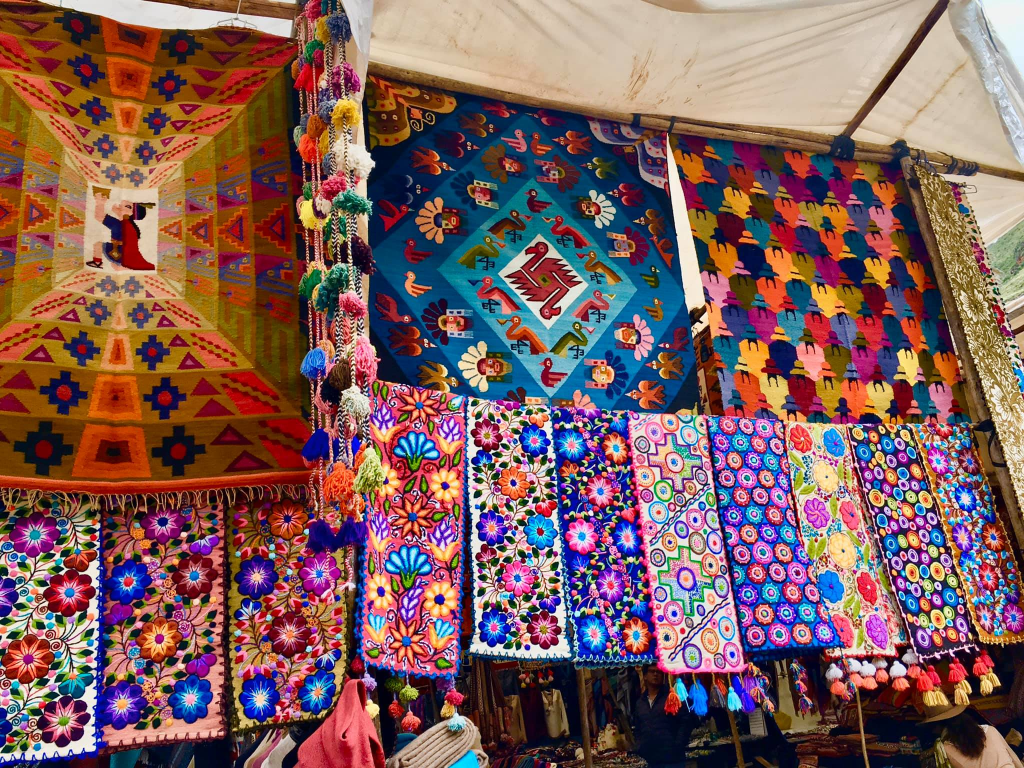
One of the market’s highlights is the wide array of handmade crafts available. Skilled artisans from the region gather to sell their beautifully crafted goods, which include intricate textiles, traditional clothing, and unique jewelry. These items often feature vibrant colors and patterns that are characteristic of Andean art, making them perfect souvenirs or gifts.
Textiles are particularly prominent, with an impressive selection of hand-woven blankets, ponchos, scarves, and bags. Each piece is typically made from alpaca or sheep wool and dyed using natural pigments derived from plants and minerals. The craftsmanship involved in creating these textiles reflects generations of skill and tradition passed down through families.
In addition to crafts, the market offers an abundance of fresh produce. Stalls are laden with a variety of fruits, vegetables, herbs, and grains, many of which are grown in the surrounding Sacred Valley. You can find exotic Andean fruits like lucuma and chirimoya, along with staples such as potatoes, maize, and quinoa. The vibrant colors and fresh scents of the produce add to the market’s lively atmosphere.
Jewelry is another popular item, with vendors selling pieces made from silver, gemstones, and seeds. Many of these pieces are inspired by Inca designs and symbols, making them both beautiful and culturally significant.
Beyond shopping, the market is a wonderful place to experience local life and interact with the community. You can witness the daily rhythms of Pisac as vendors set up their stalls, bargain with customers, and go about their routines. It’s also an opportunity to practice your bargaining skills, as haggling is a common and expected part of the market experience.
Additionally, food vendors offer a chance to taste traditional Peruvian cuisine. You can sample freshly made empanadas, tamales, and other local delicacies, providing a delicious and authentic taste of the region.
Overall, the Pisac Market is more than just a place to buy goods; it’s a cultural experience that offers insight into the daily lives, traditions, and artistry of the Andean people. Whether you’re looking for unique souvenirs, fresh produce, or simply want to soak in the vibrant atmosphere, the market is a must-visit when in Pisac.
Quechua Culture: Pisac offers a rich and immersive experience of Quechua culture, one of the oldest and most vibrant indigenous cultures in the Andes. As you wander through the town, you’ll hear the melodic sounds of Quechua, the language of the Incas, still widely spoken by the local people. This living language is an integral part of daily life, used in homes, markets, and community gatherings.
The preservation of traditional practices is evident throughout Pisac. Many locals continue to wear traditional clothing, such as brightly colored ponchos, skirts, and hats, often adorned with intricate patterns that reflect their community’s heritage. These garments are not only beautiful but also functional, designed to withstand the Andean climate.
Cultural traditions are also preserved through music and dance. Traditional Quechua music, featuring instruments like the quena (flute) and charango (a small string instrument), can often be heard during festivals and celebrations. These musical traditions are passed down through generations, maintaining the cultural heritage and fostering a sense of community.
Artisan crafts provide another window into Quechua culture. In Pisac, you can find skilled weavers creating exquisite textiles using techniques that have been handed down over centuries. These weavings often feature symbolic motifs and vibrant colors derived from natural dyes. Watching a weaver at work is a fascinating glimpse into the meticulous and artistic process that goes into each piece.
Quechua culture is also deeply connected to the land. Agriculture remains a cornerstone of daily life, with traditional farming techniques still in use. The terraced fields surrounding Pisac, initially constructed by the Incas, continue to be cultivated, demonstrating sustainable practices honed over generations. These fields produce crops such as potatoes, maize, and quinoa, staples of the local diet.
The spiritual and ceremonial aspects of Quechua culture are particularly poignant. Many residents of Pisac observe traditional Andean religious practices, which often blend indigenous beliefs with Catholicism. This syncretism is visible in local festivals, rituals, and the presence of sacred sites. The reverence for Pachamama (Mother Earth) is central to Quechua spirituality, reflecting a profound respect for nature and the environment.
One of the best ways to experience Quechua culture is by engaging with the local community. Participating in cultural tours or staying with a local family can provide deeper insight into their way of life. Through these interactions, visitors can learn about traditional cooking methods, farming practices, and daily routines, gaining a richer understanding of Quechua heritage.
Culinary traditions also offer a taste of Quechua culture. Local dishes often feature ingredients that have been used for centuries, such as corn, potatoes, and various herbs. Traditional cooking methods, including the use of clay ovens and stone grinding tools, are still employed, preserving the authentic flavors and techniques of Quechua cuisine.
Overall, Pisac is a gateway to experiencing the enduring legacy of Quechua culture. Whether through language, crafts, music, or daily practices, the town provides a vibrant and authentic connection to this ancient and resilient cultural heritage.
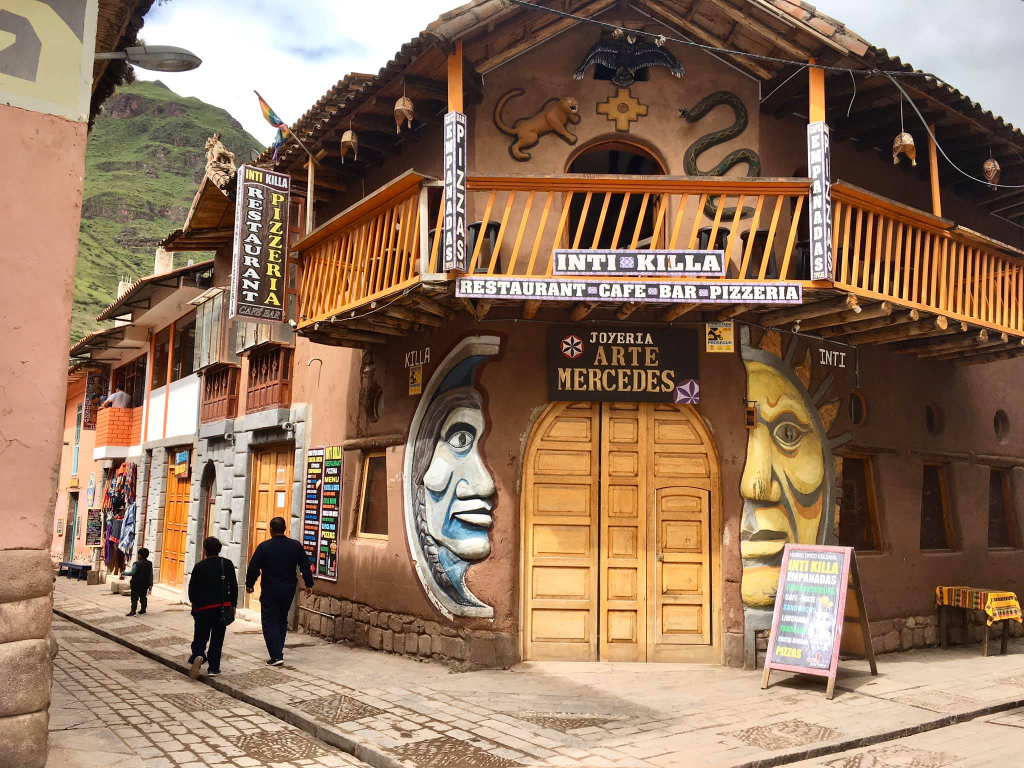
Whether you’re marveling at the intricate Inca ruins, haggling for handmade treasures at the bustling market, or immersing yourself in the rich Quechua culture, Pisac offers a unique and unforgettable experience. This small town in the Sacred Valley is a place where ancient history and vibrant traditions come alive, providing a deep connection to Peru’s past and present. A visit to Pisac is not just a trip; it’s a journey into the heart of the Andes, where every corner reveals a story and every moment becomes a cherished memory. Make Pisac a highlight of your Peruvian adventure, and discover the timeless charm that makes it truly special.
Happy Travels!
Kelsey
 Lipsticks and Backpacks